Patrizia Biondi, Provisional Structures

Stockroom Kyneton, gallery one
02 May / 07 June 2026

PATRIZIA BIONDI
PROVISIONAL STRUCTURES

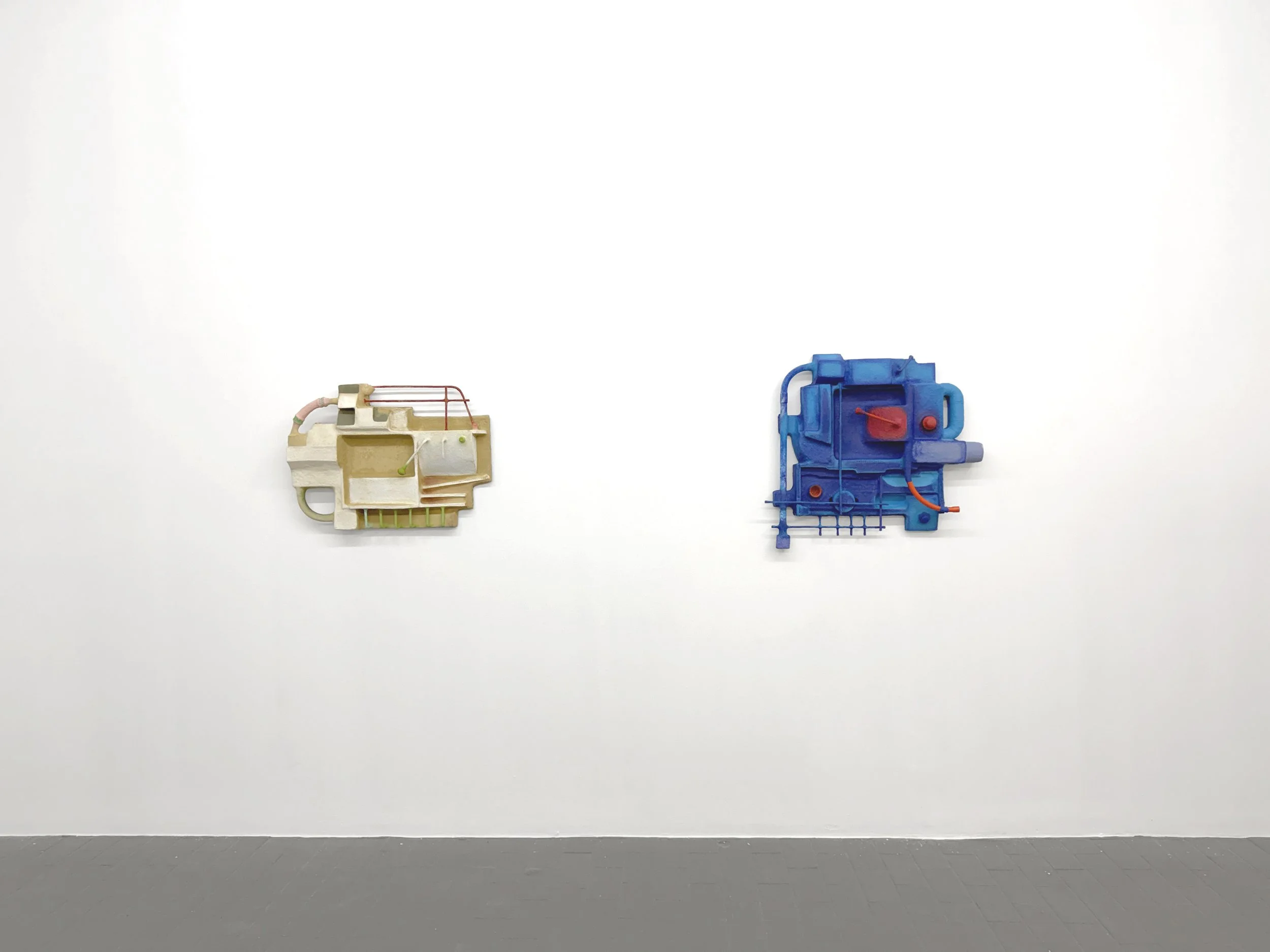
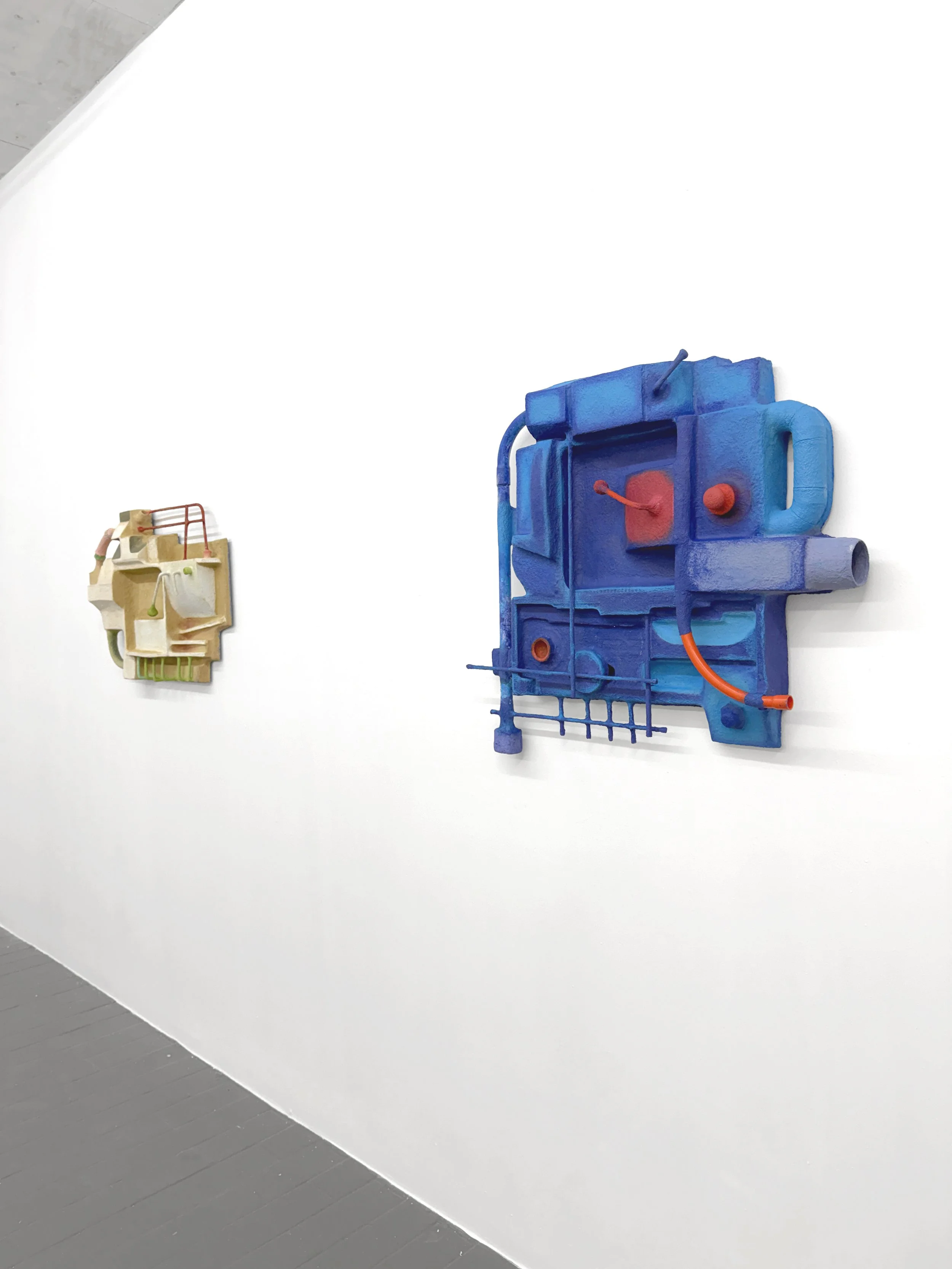
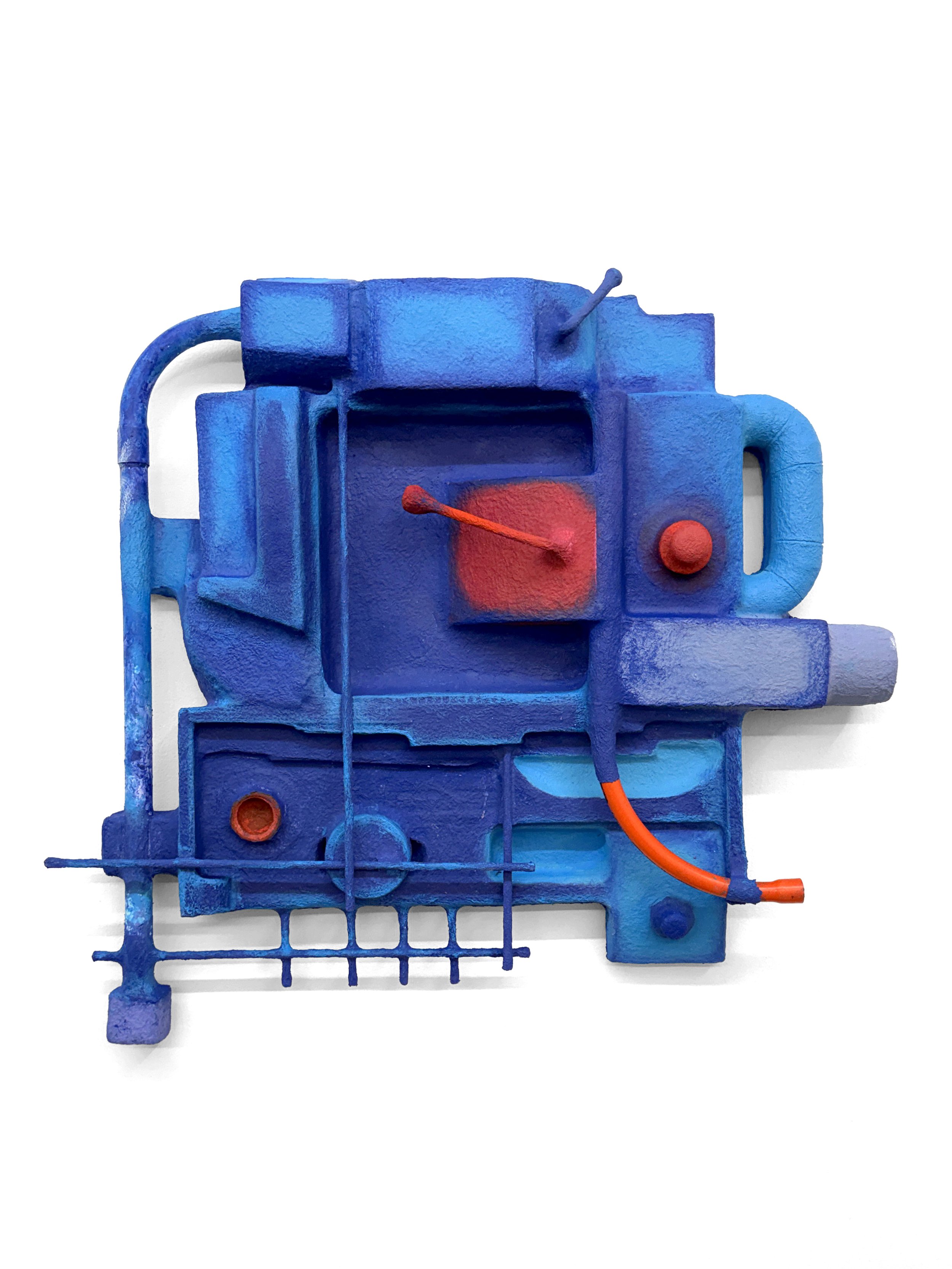
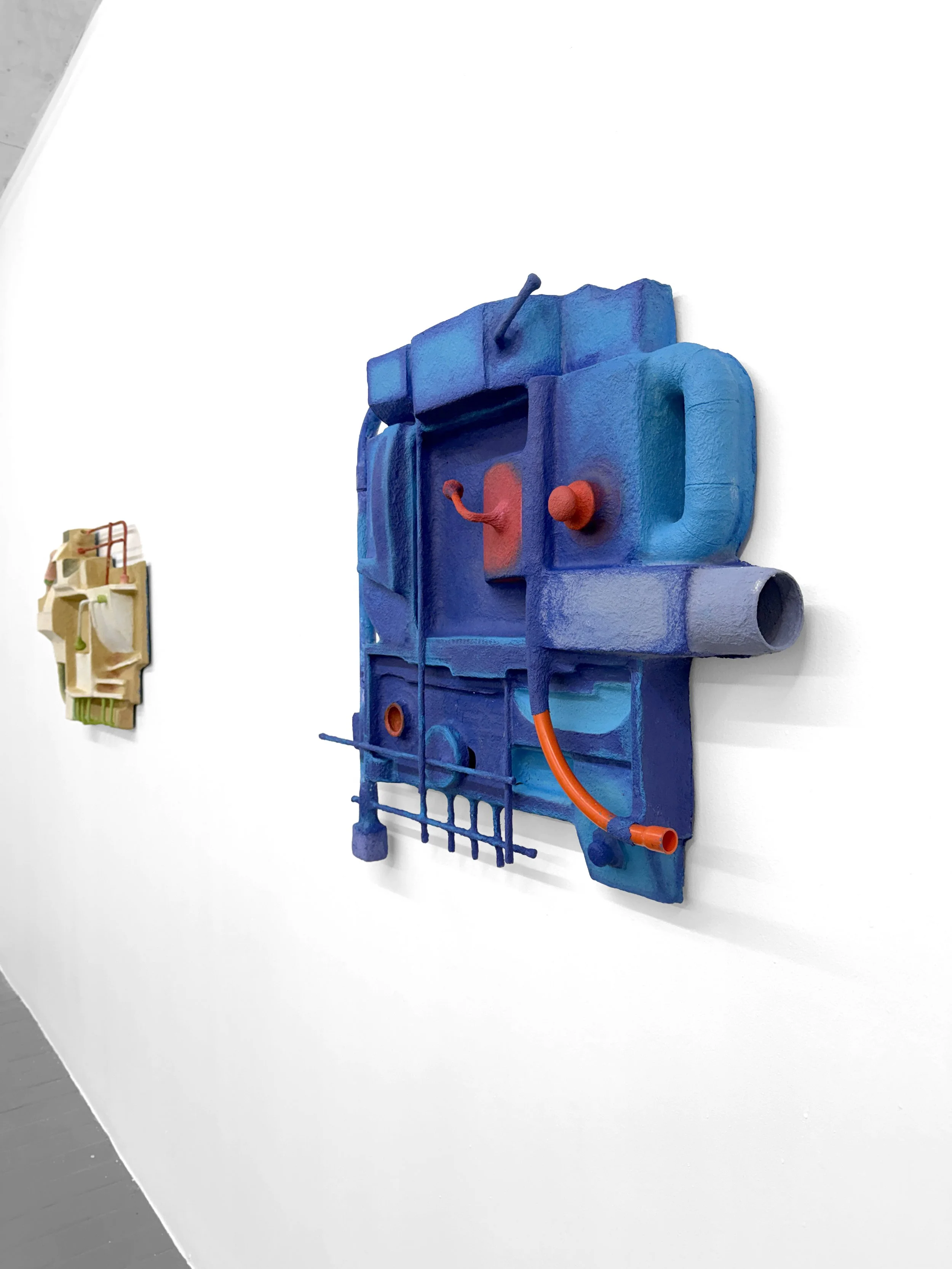
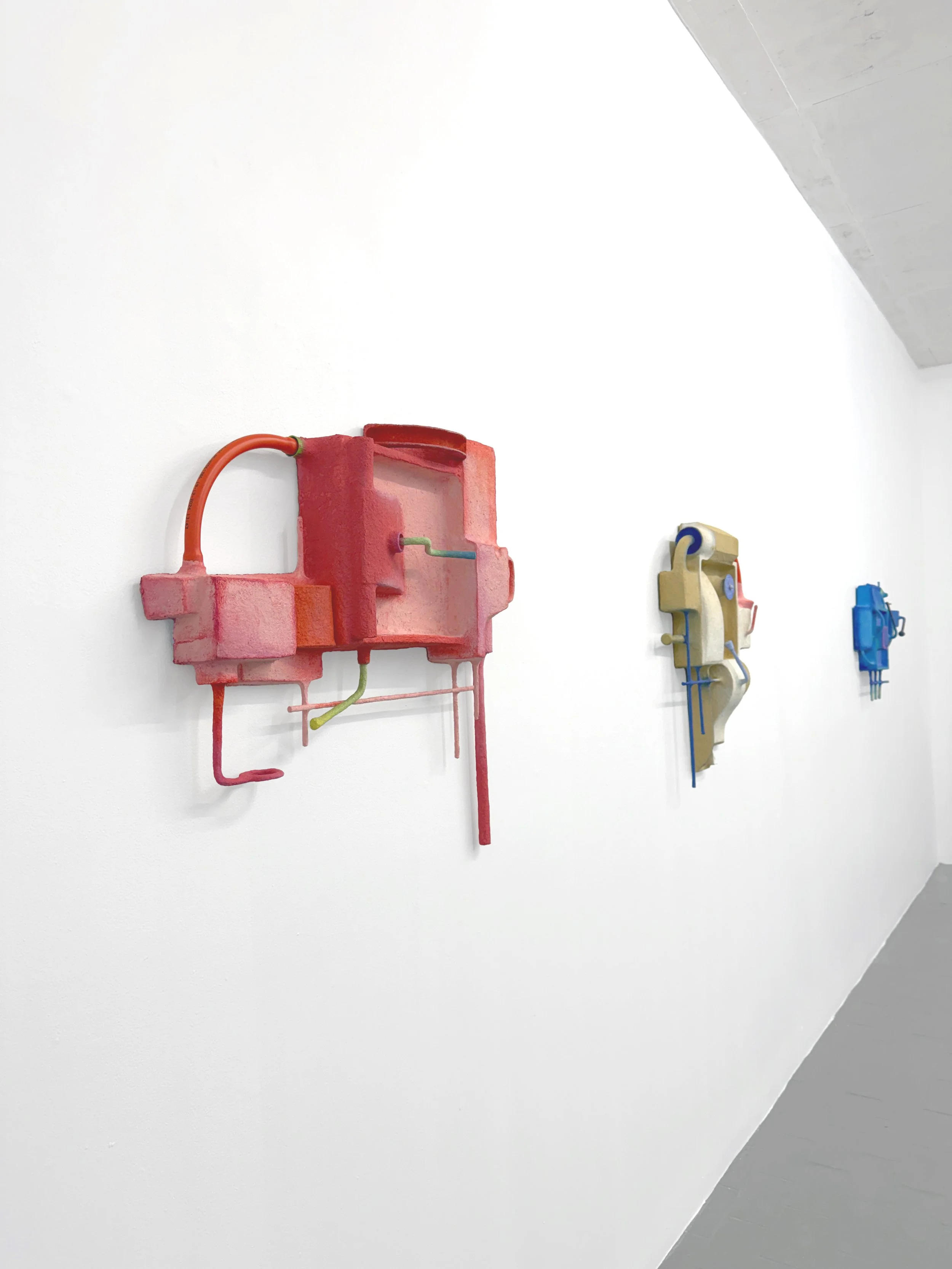
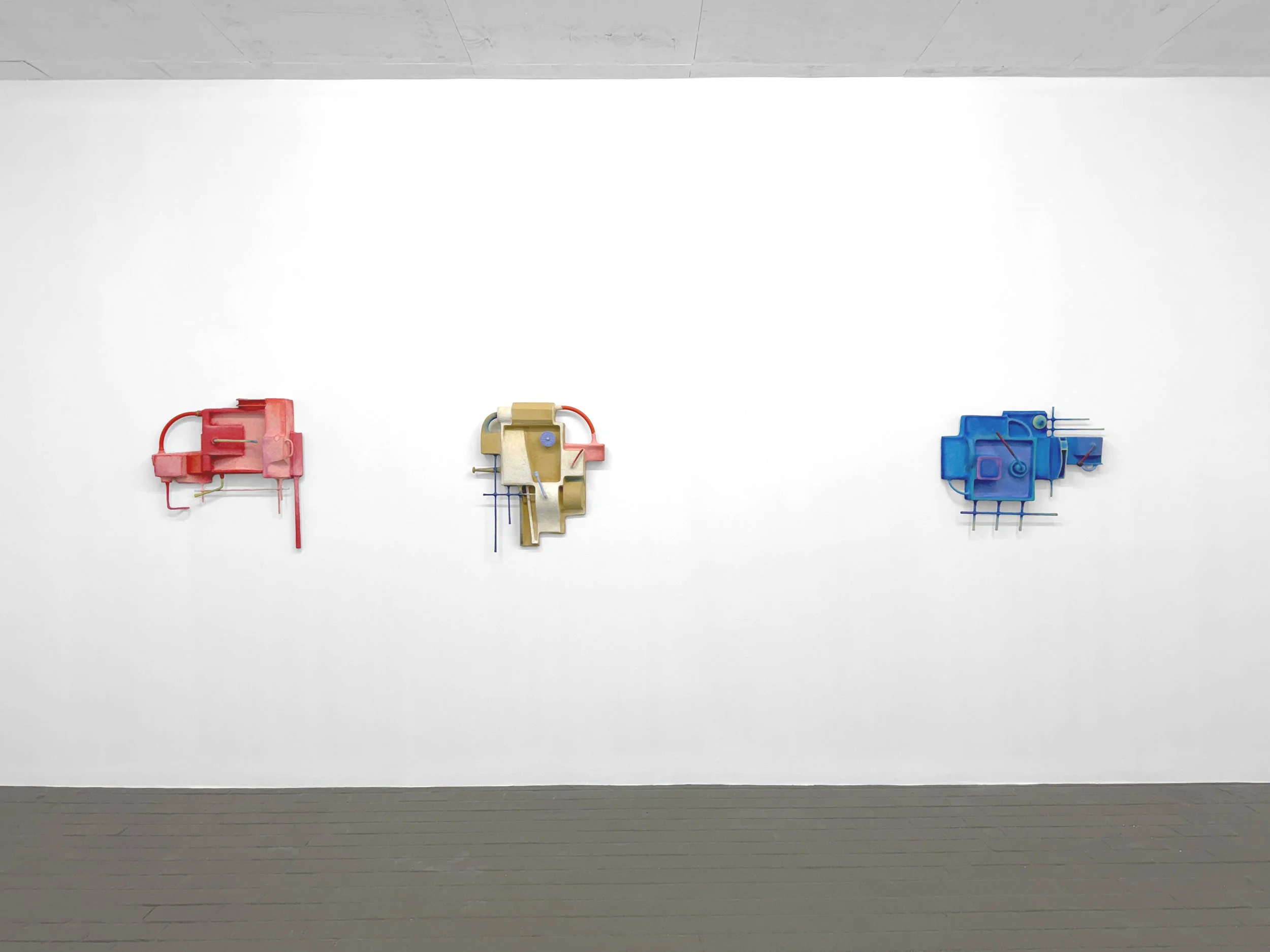
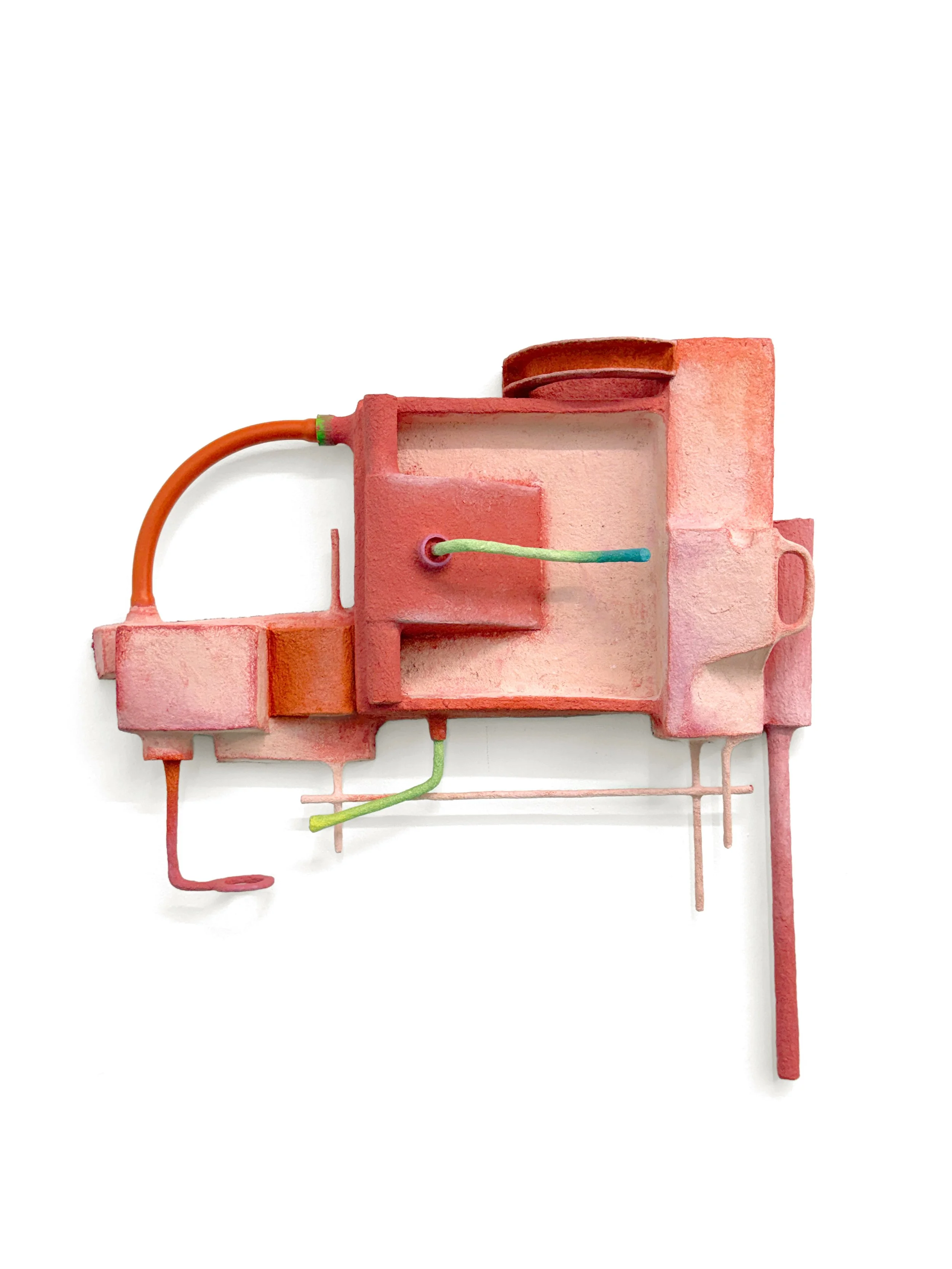
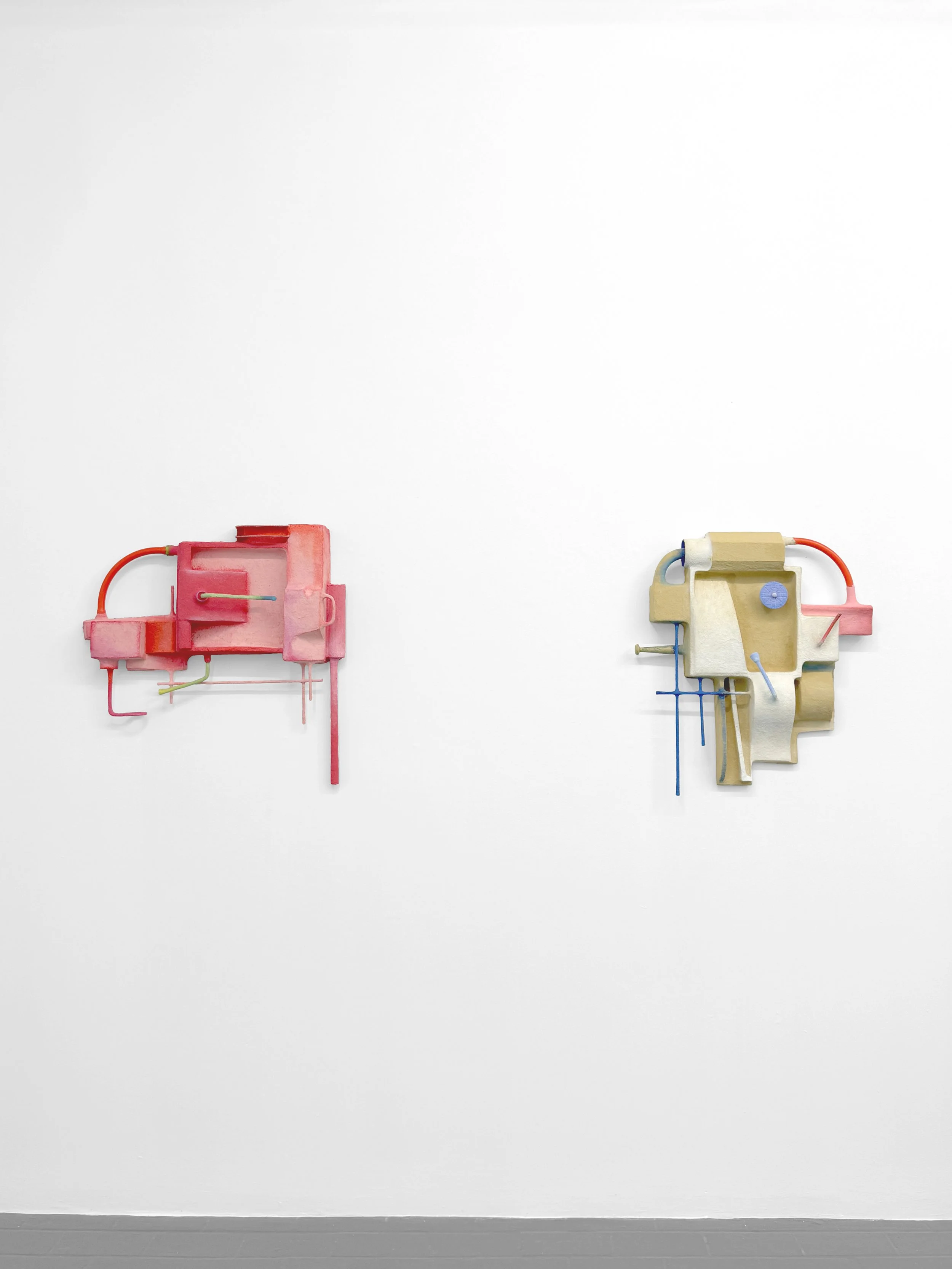
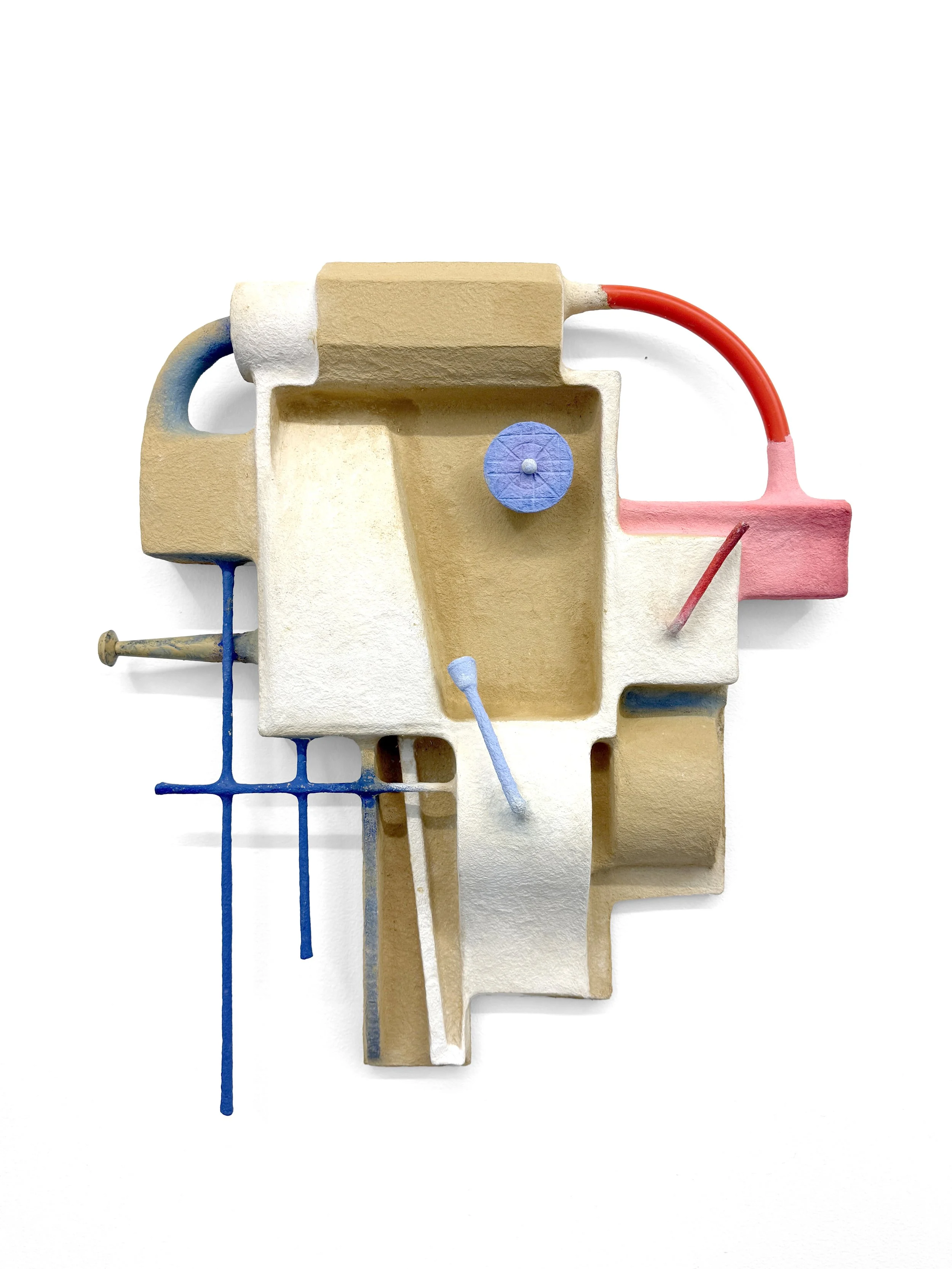
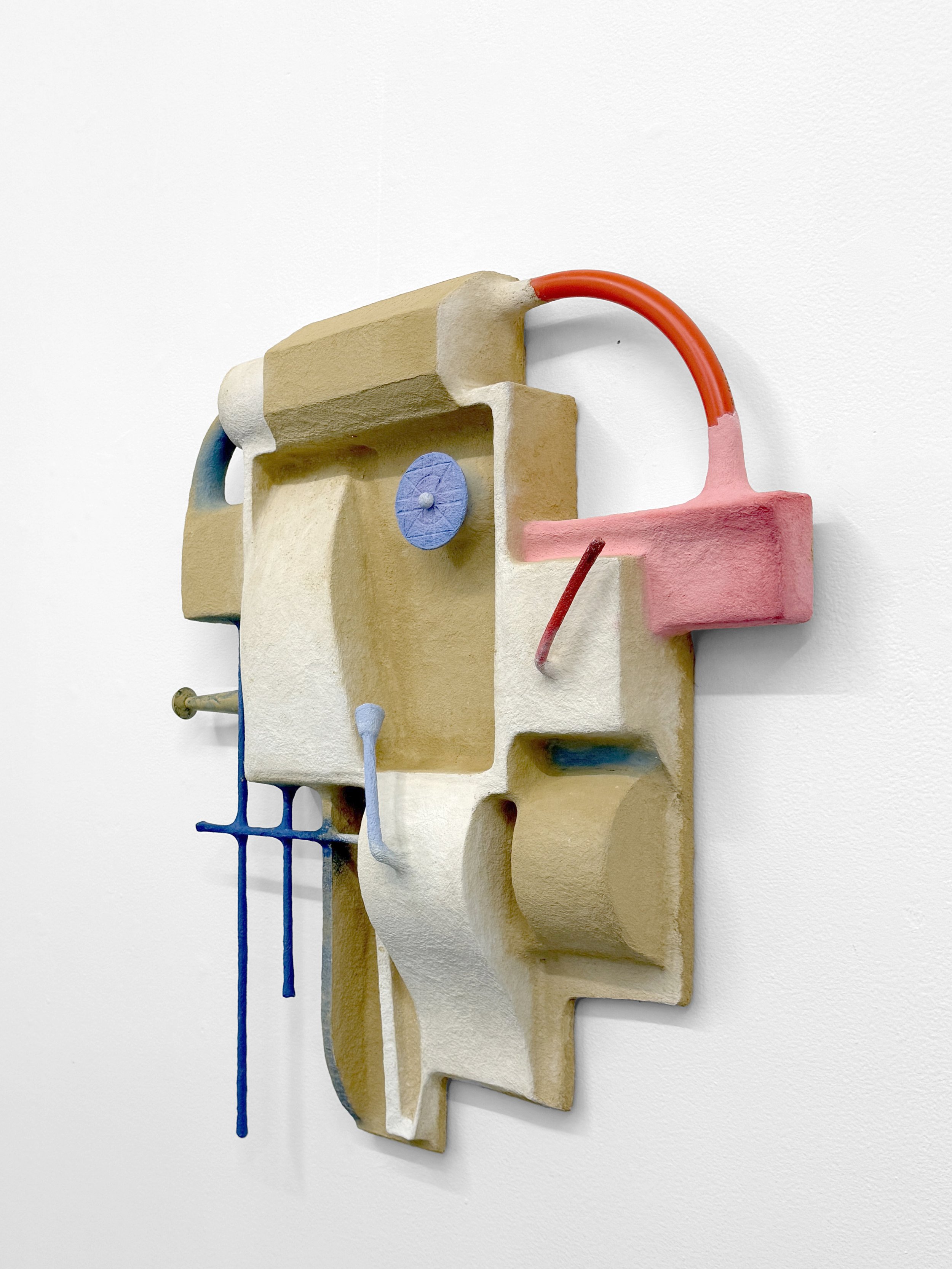
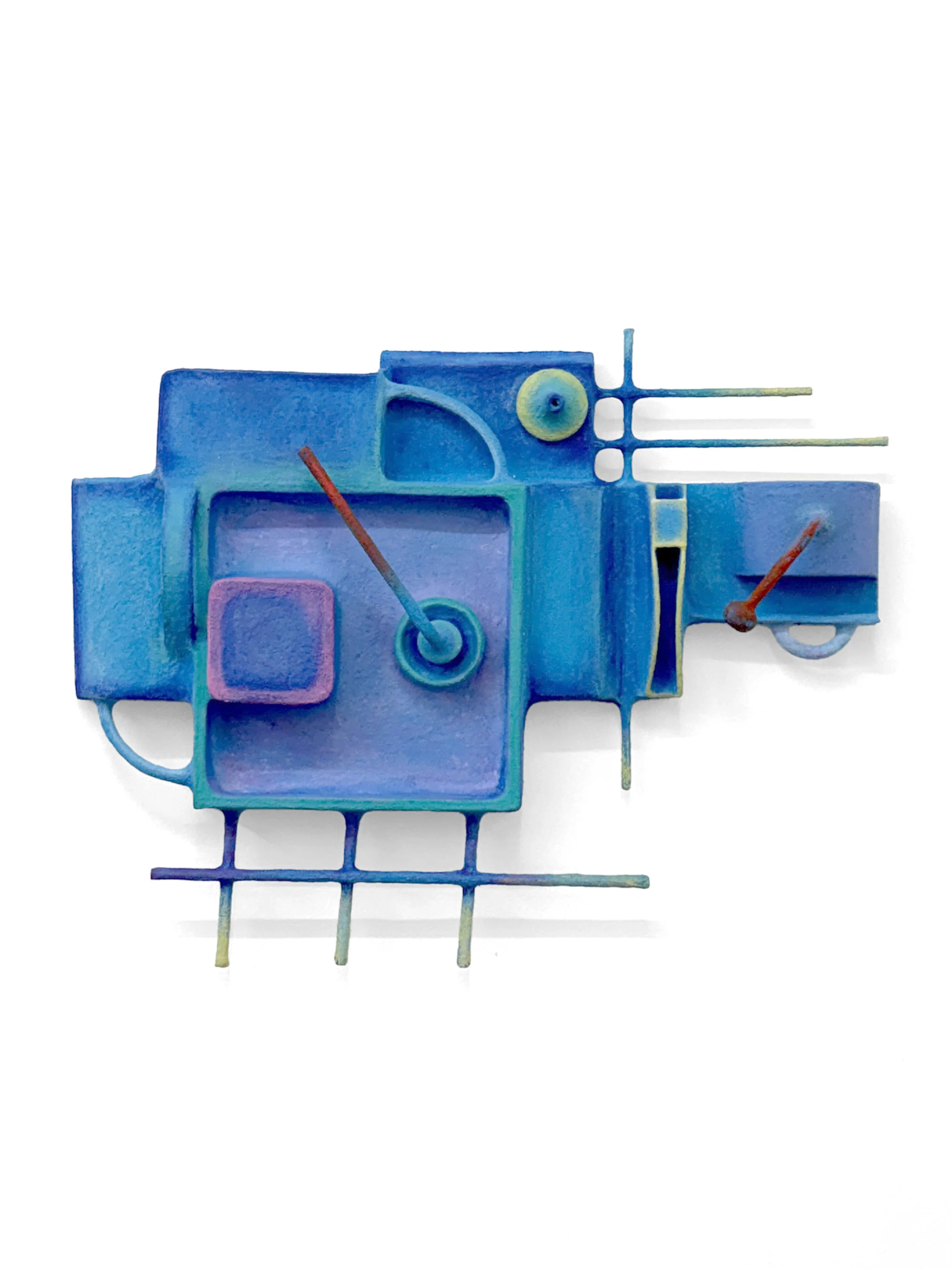
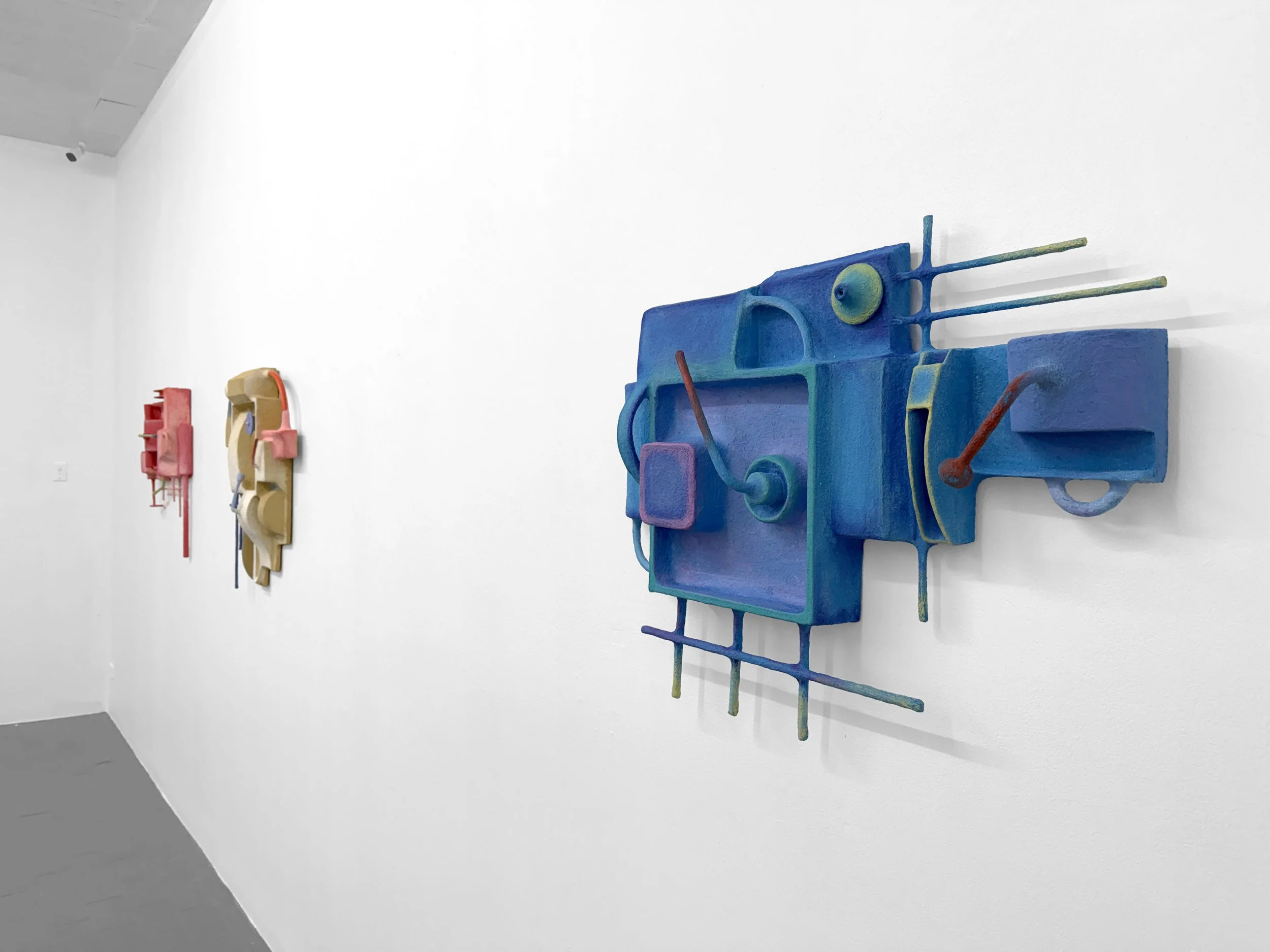
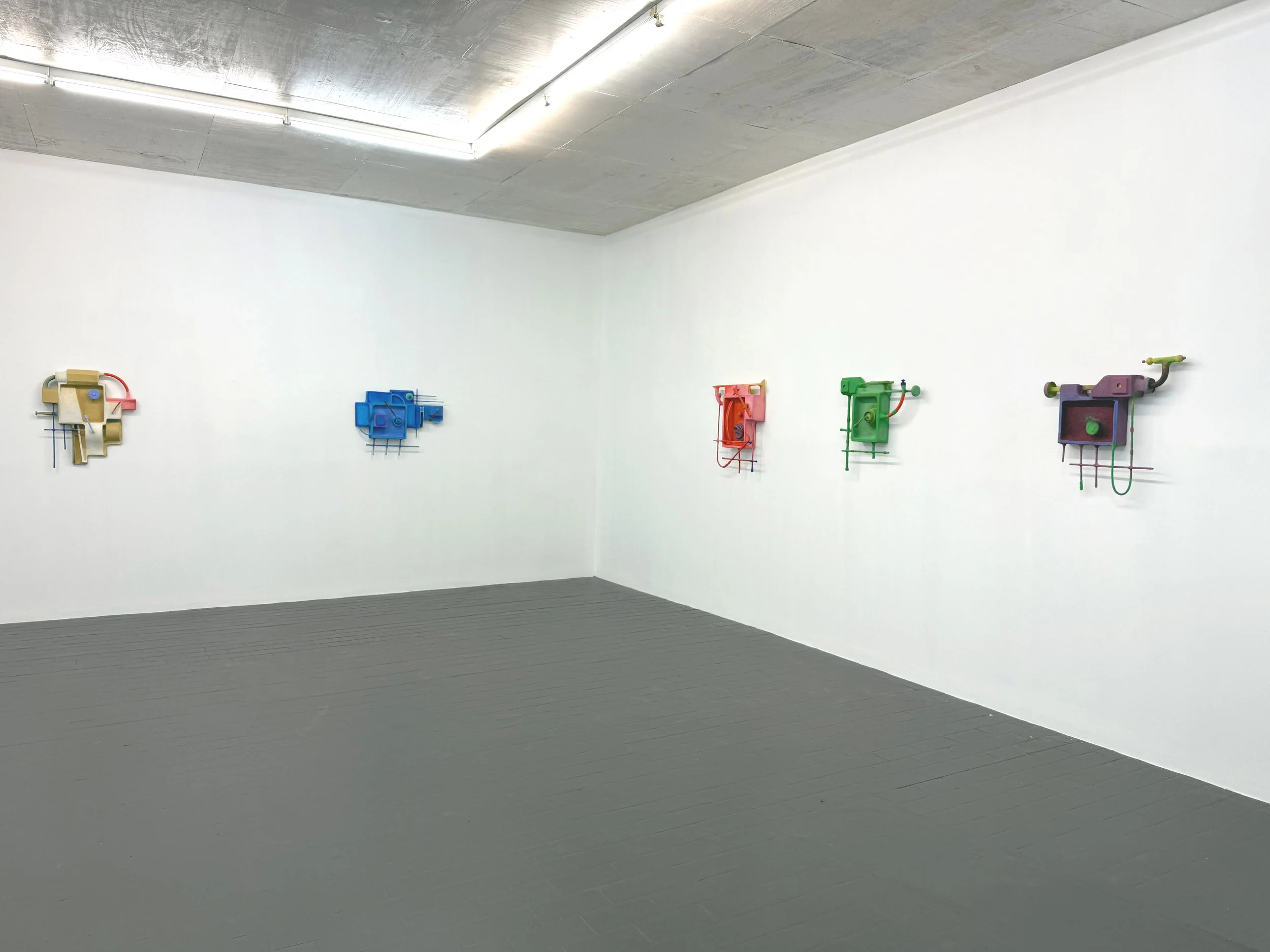
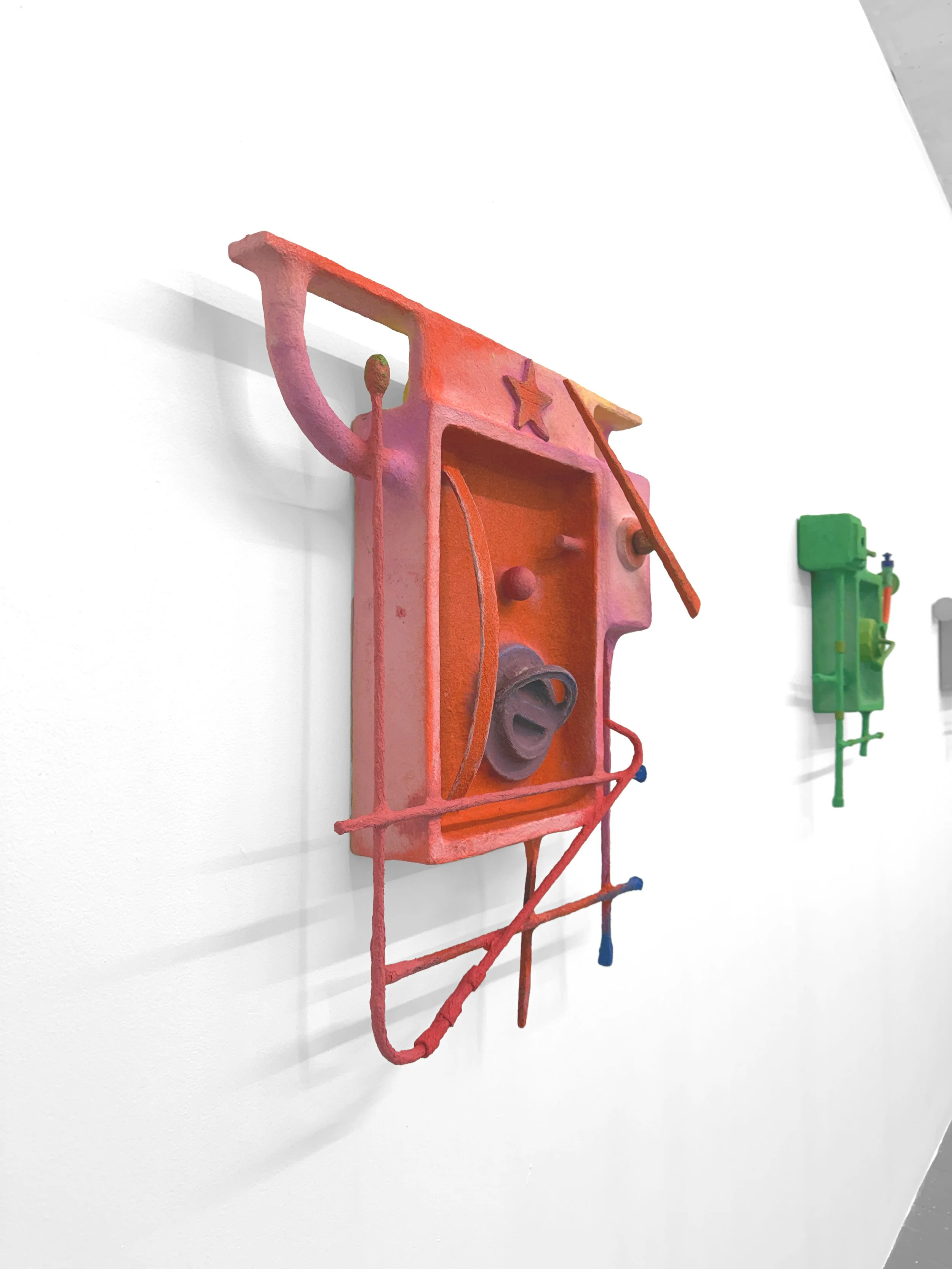
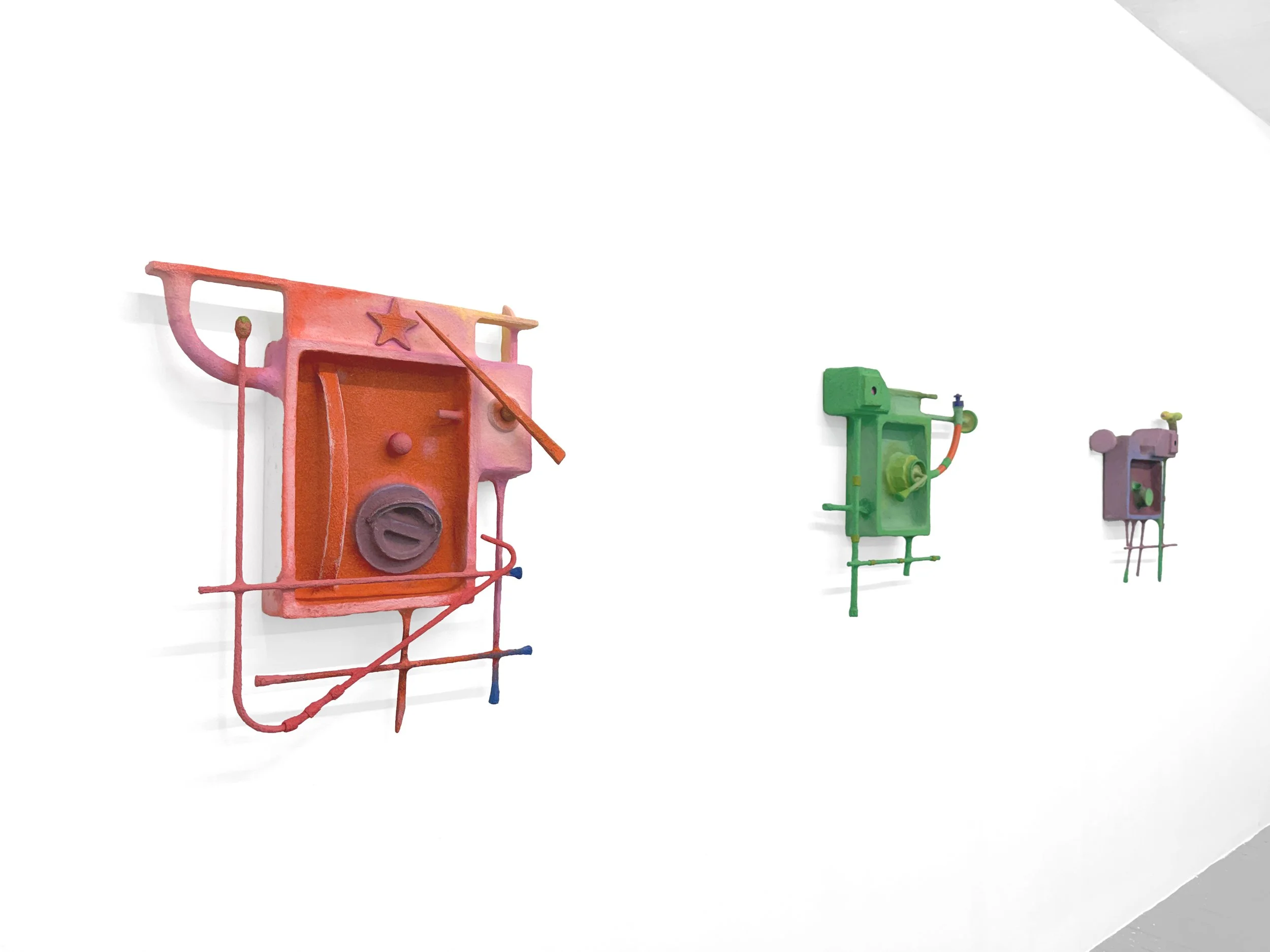
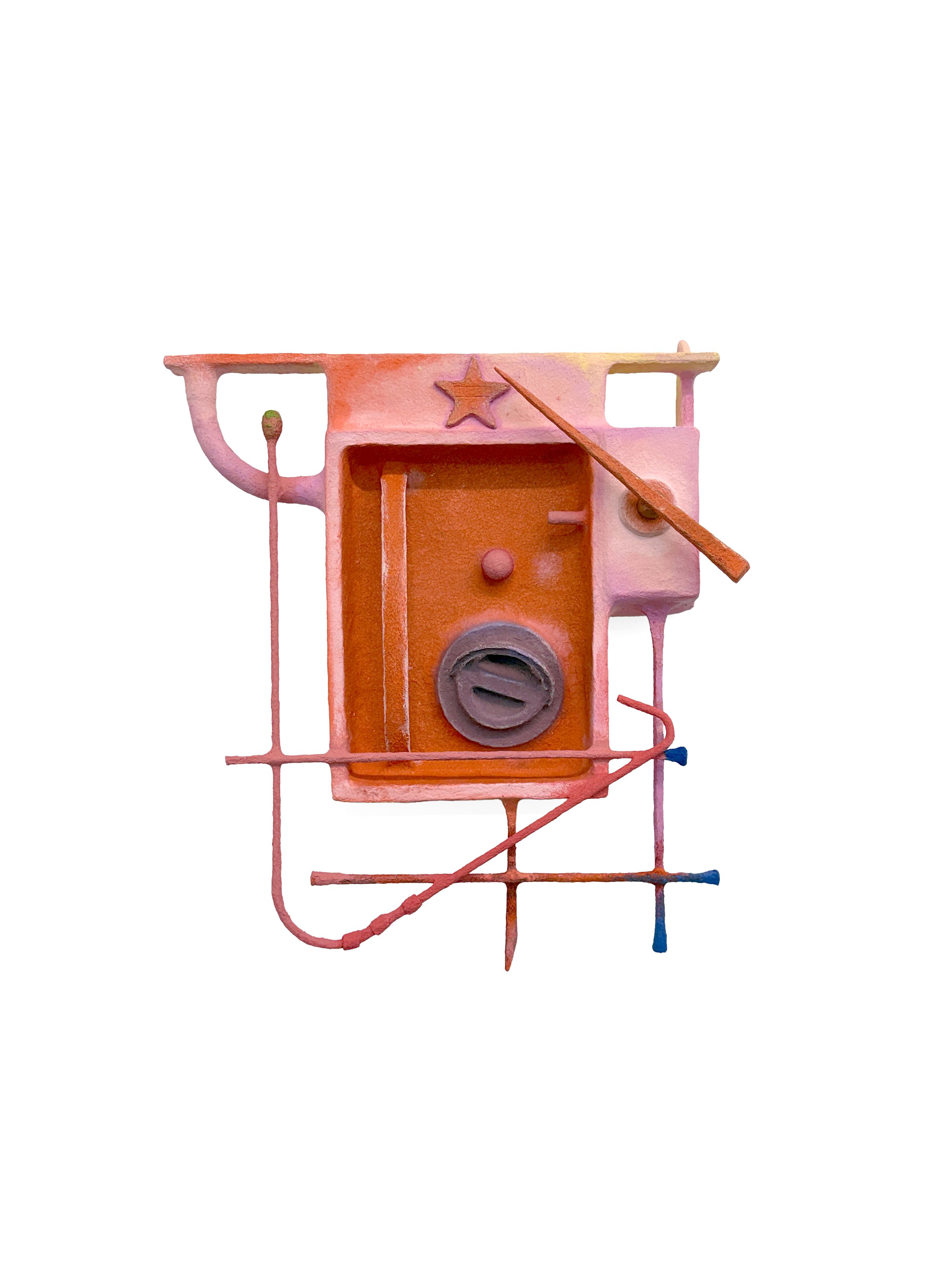
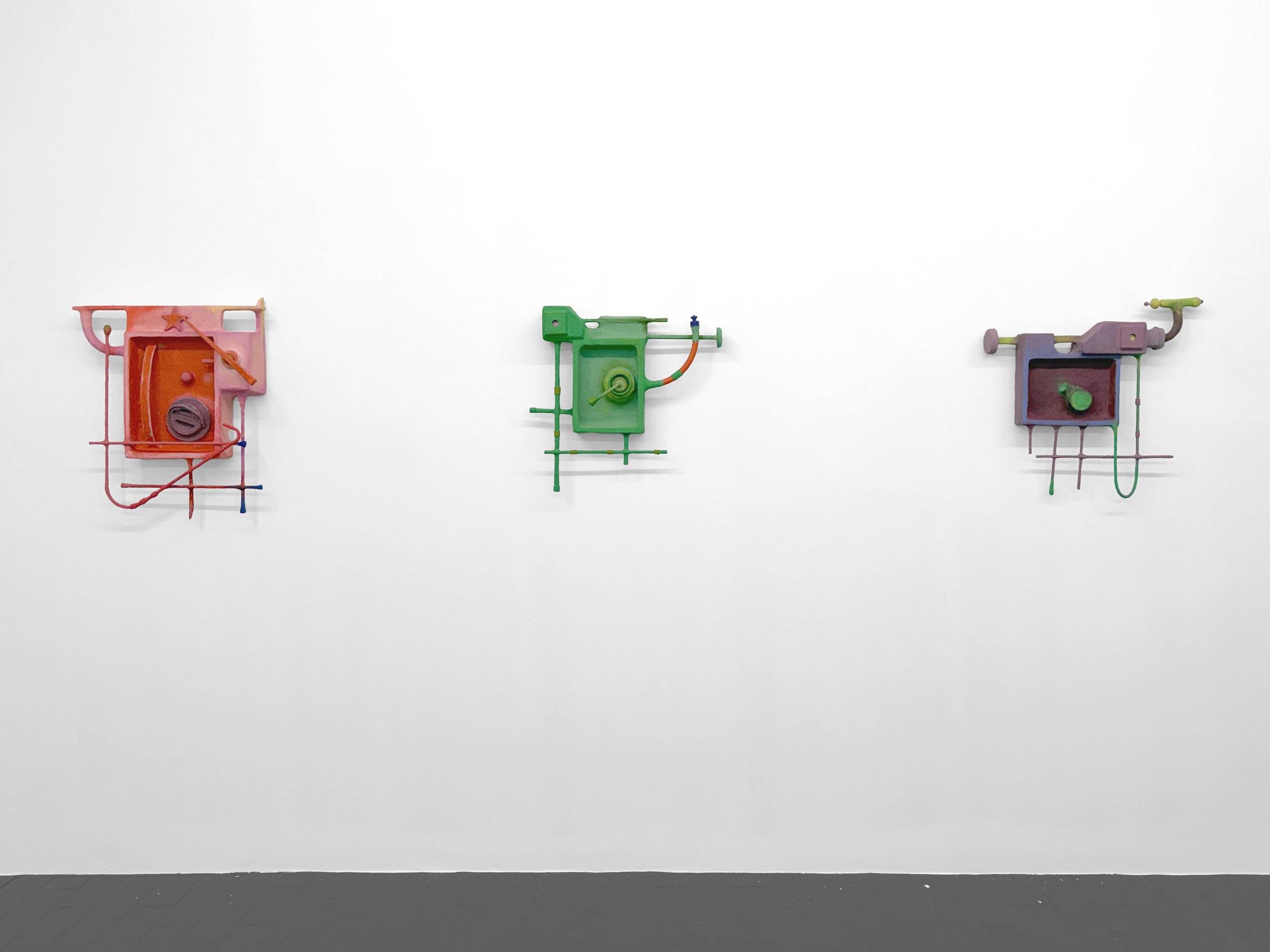
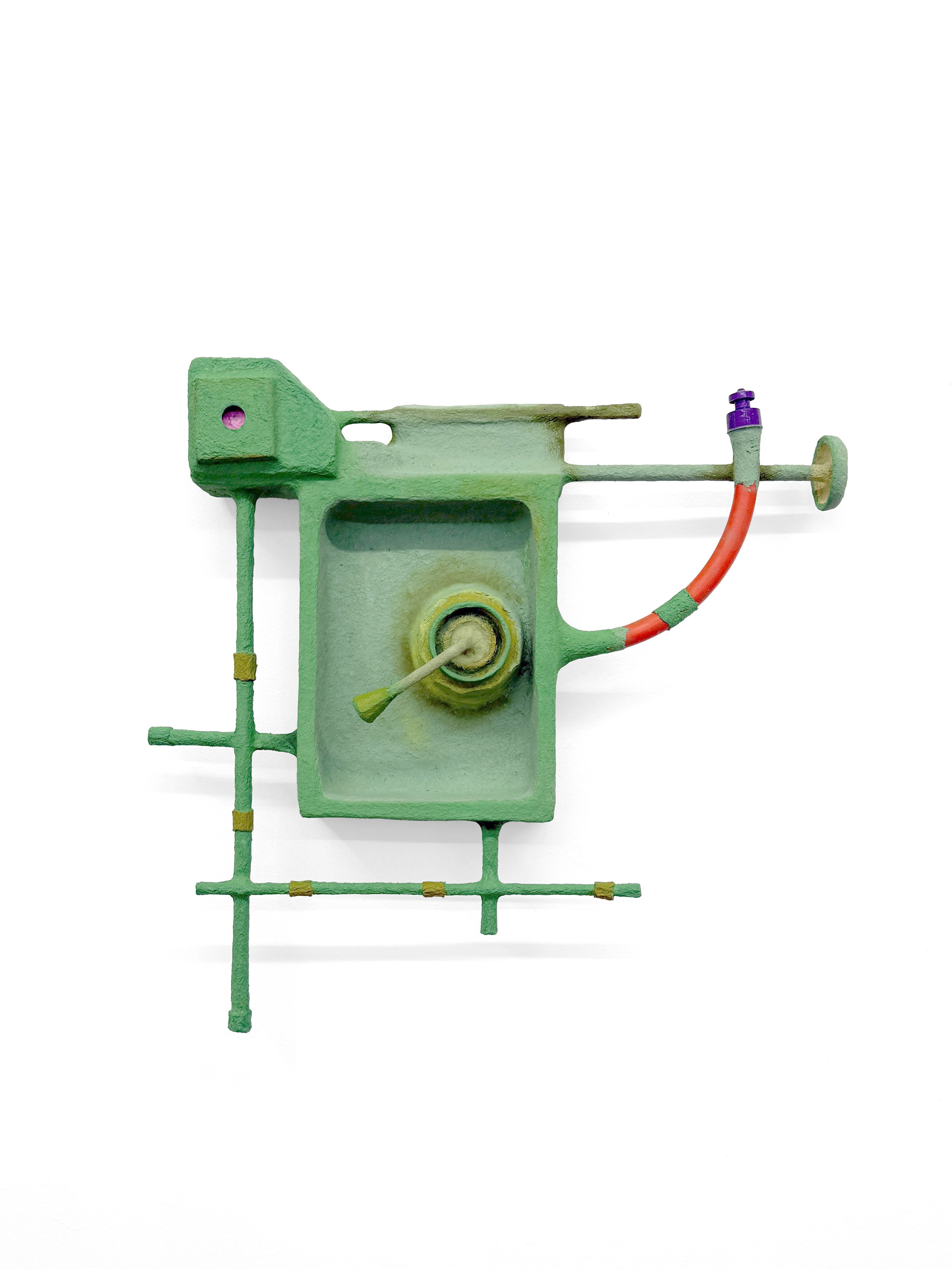
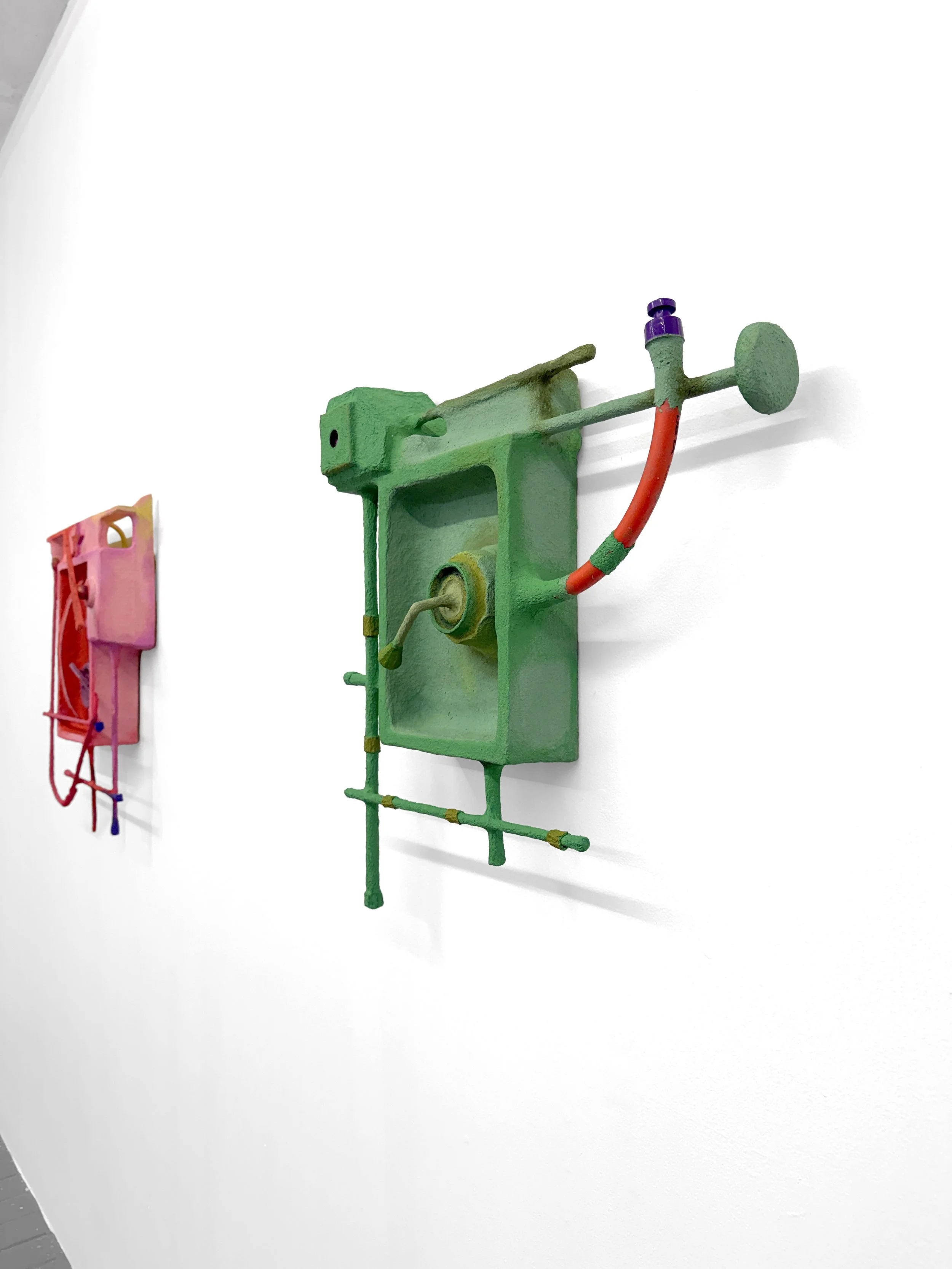
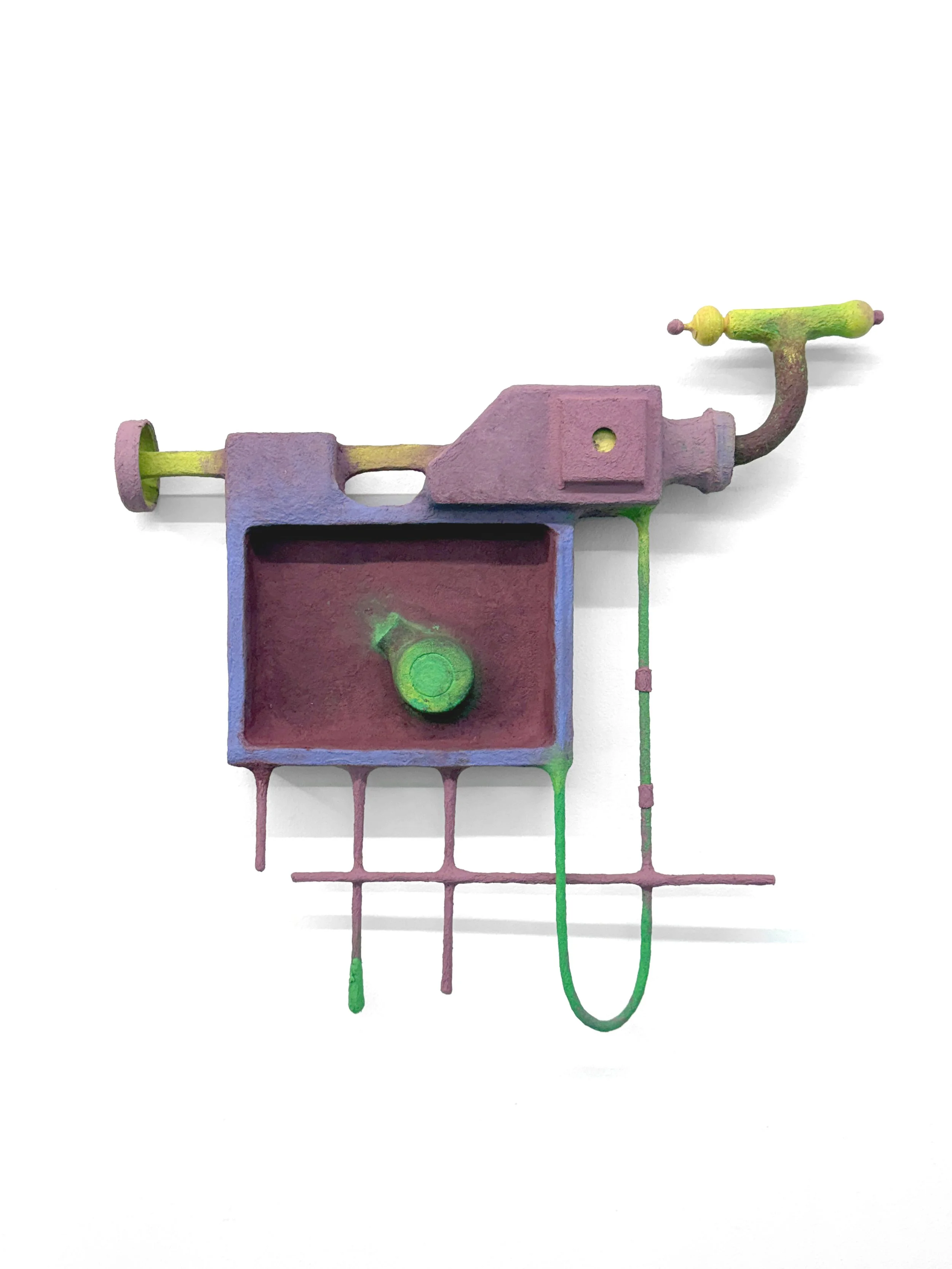
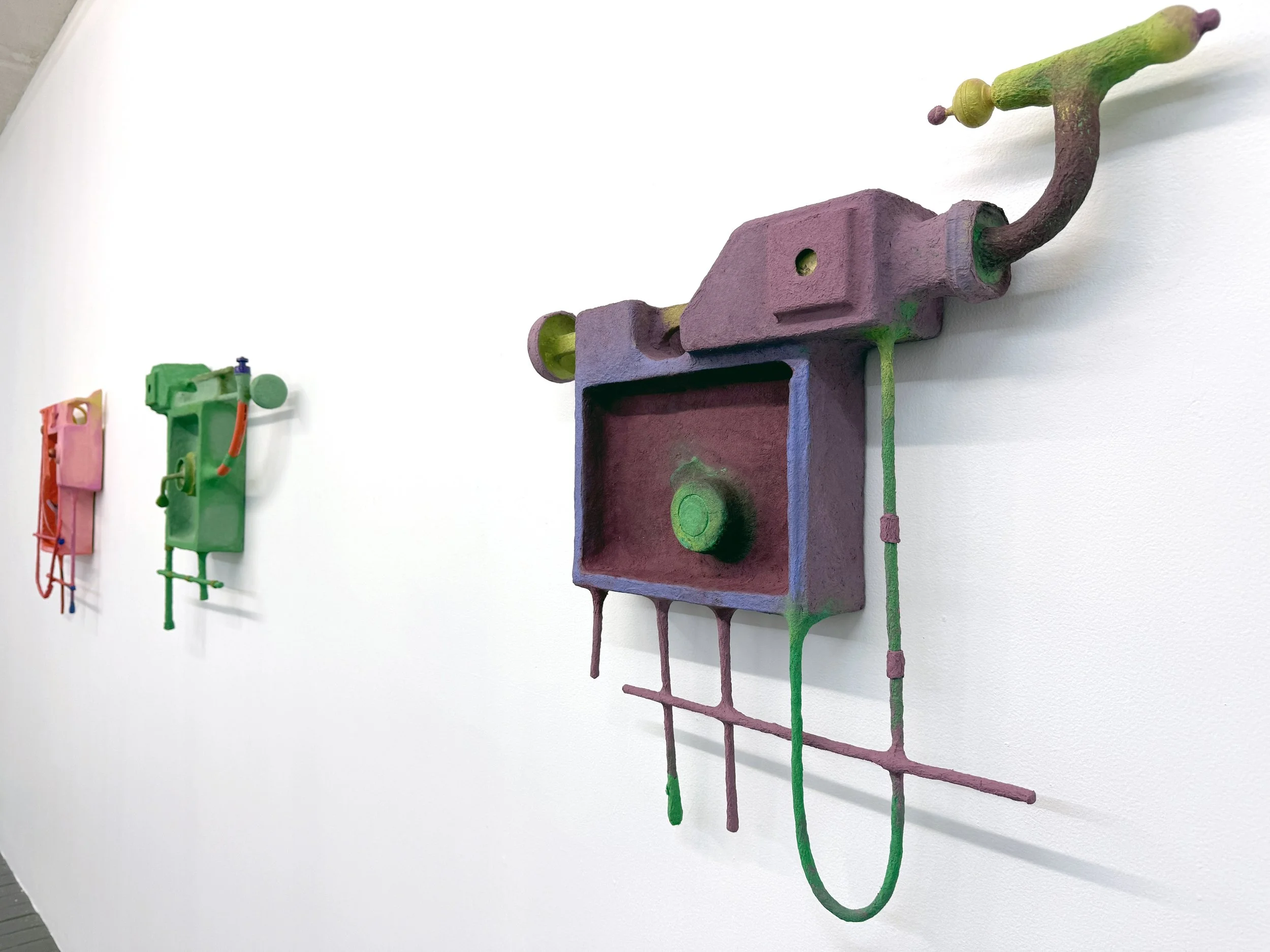
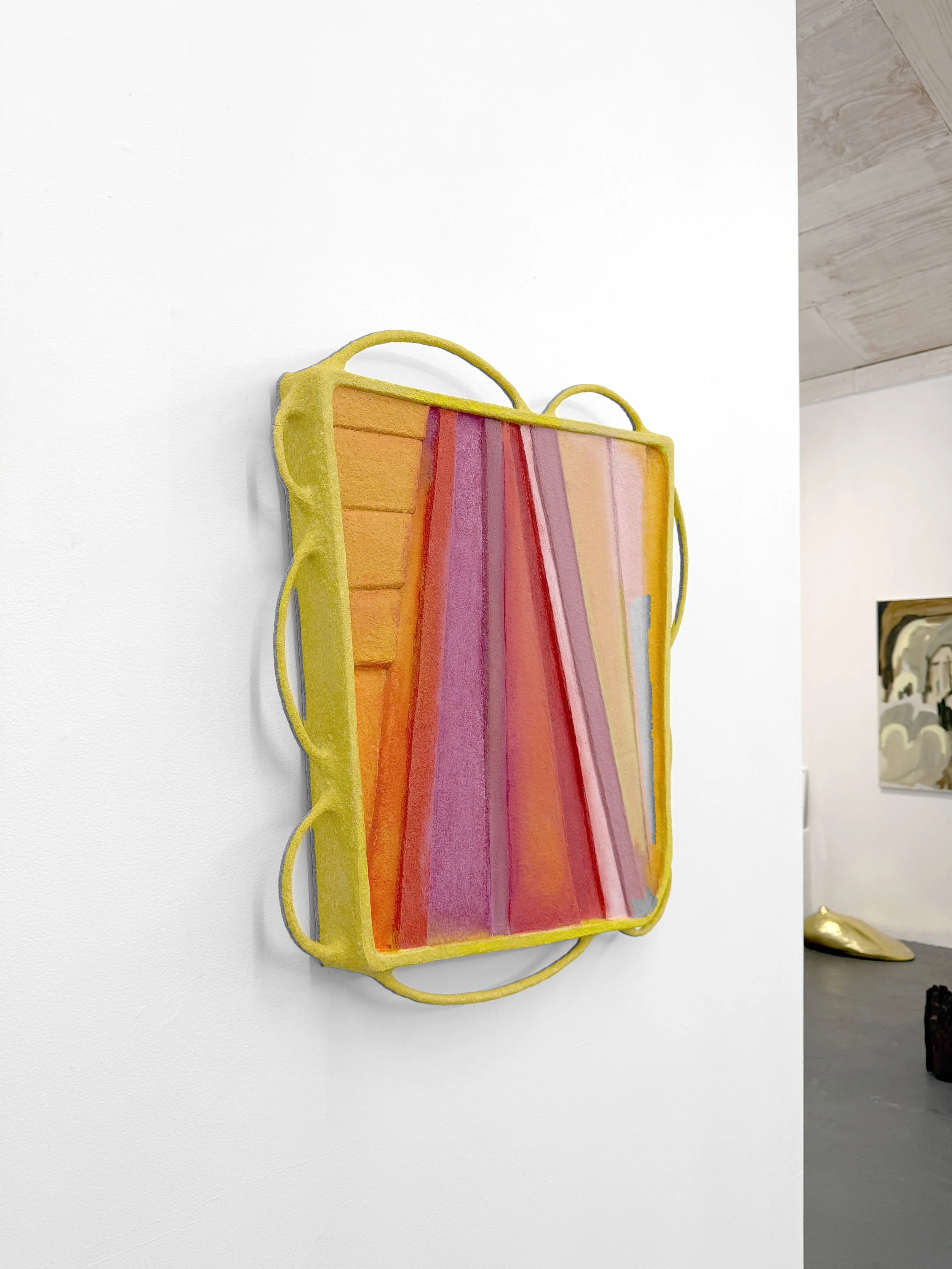
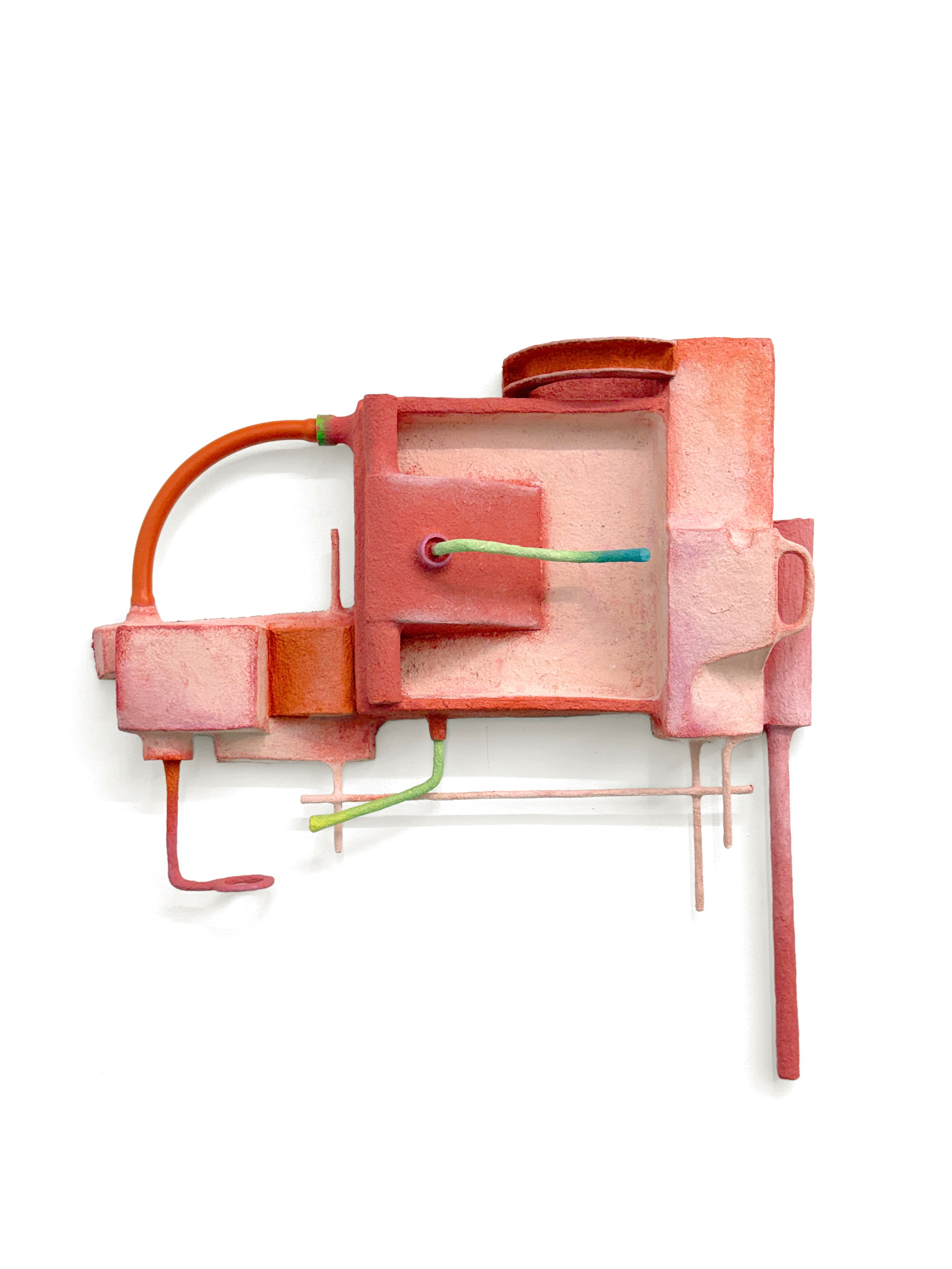
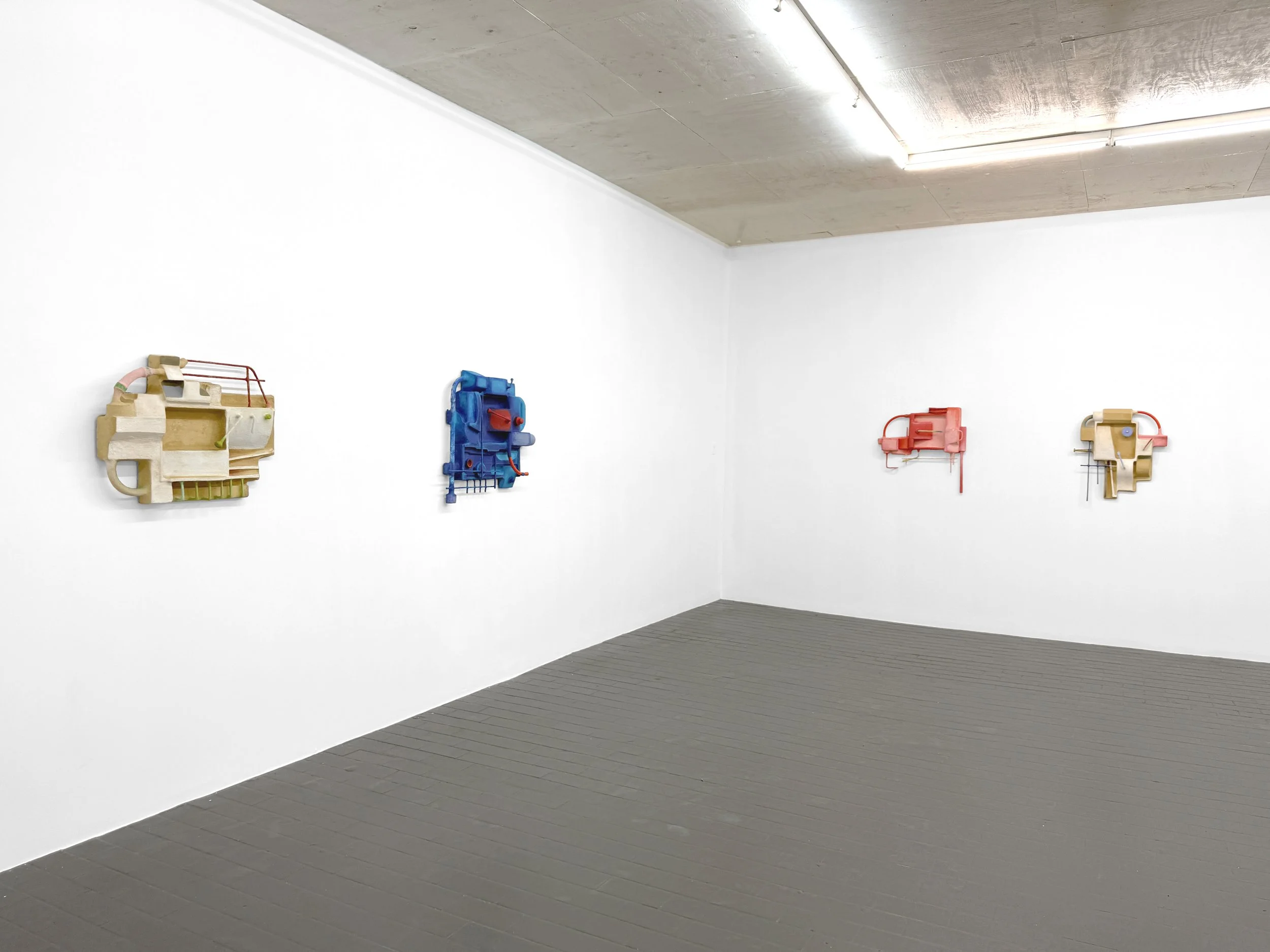
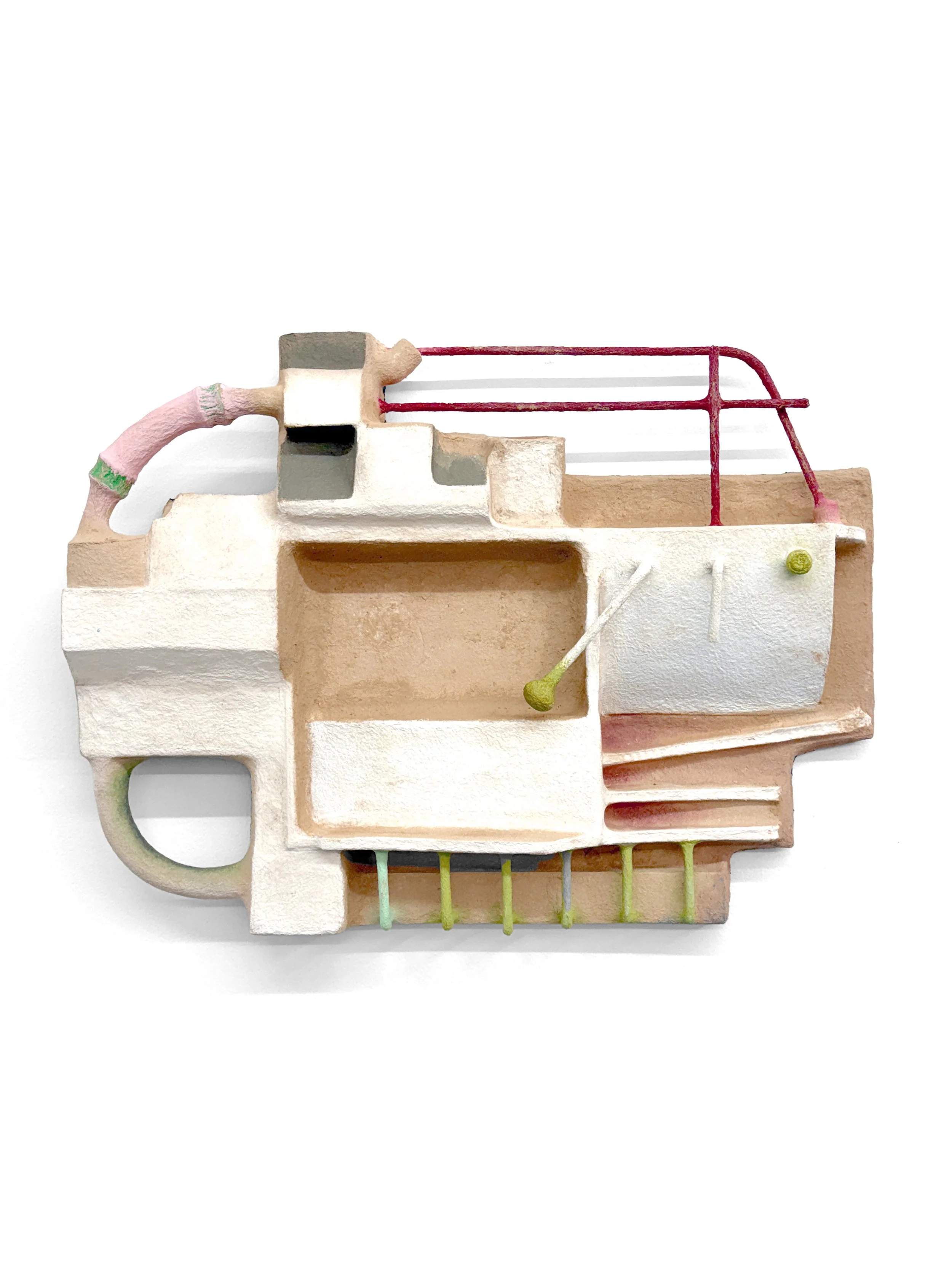
These works present themselves as fragments of infrastructure that have slipped free from their assigned function. They carry the visual language of industry — modularity, containment, junctions — yet none of these cues resolves into use. The objects appear designed for something specific, but that specificity is never fulfilled.
I ENQUIRE A CATALOGUE I

Form is the primary driver of meaning. Curves, straight segments and intersecting lines organise space in ways that suggest access, restriction and handling. Elements resembling handles, grips and turning knobs appear throughout the structures, implying the possibility of adjustment, regulation and intervention. They signal agency — the promise that something can be operated, calibrated or set into motion — yet the operations they propose remain inaccessible. Interaction is suggested but never completed. These arrangements are instantly legible, almost reassuring, even as they refuse to operate. What remains is a peculiar emotional state: familiarity without function, confidence without outcome.

The sculptures are formed from paper pulp made with shredded confidential documents. Information that once circulated within administrative, legal or financial systems is materially transformed into structures resembling the infrastructures through which such data is managed. The process converts protected content into anonymous matter while retaining a residual sense of regulation, security and control. The material echoes the logic of contemporary information economies: data is constantly processed, destroyed, secured and reformatted, yet rarely disappears entirely. Handles, notes and other operational cues translate this condition into spatial terms, showing how the system should work without providing the means to operate it.

The work engages the myth of sustainability as both aesthetic language and industrial promise. Rather than proposing solutions, it examines how responsibility is staged through form. These objects echo systems meant to manage production, consumption and risk, while their non-function exposes the gap between structural appearance and actual effect. This implied dysfunction can also be recognised in social structures, international law and institutional frameworks that are widely invoked even as their capacity to operate appears strained or selectively disregarded.

Despite this critical edge, the sculptures avoid a dystopian tone. Their surfaces are tactile, colours bright, presence quietly playful. They invite attention without urgency. In doing so, the work reflects how structures built to organise care and efficiency can remain comforting even when they no longer perform the roles they imply. What is at stake is not breakdown but suspension. The objects do not imply failure; they remain unresolved. In that unresolved state, they reveal how easily belief can be sustained by form alone.
Michael Carney, Low Signal

Stockroom Kyneton, gallery two
14 March / 19 April 2026

MICHAEL CARNEY
Low Signal

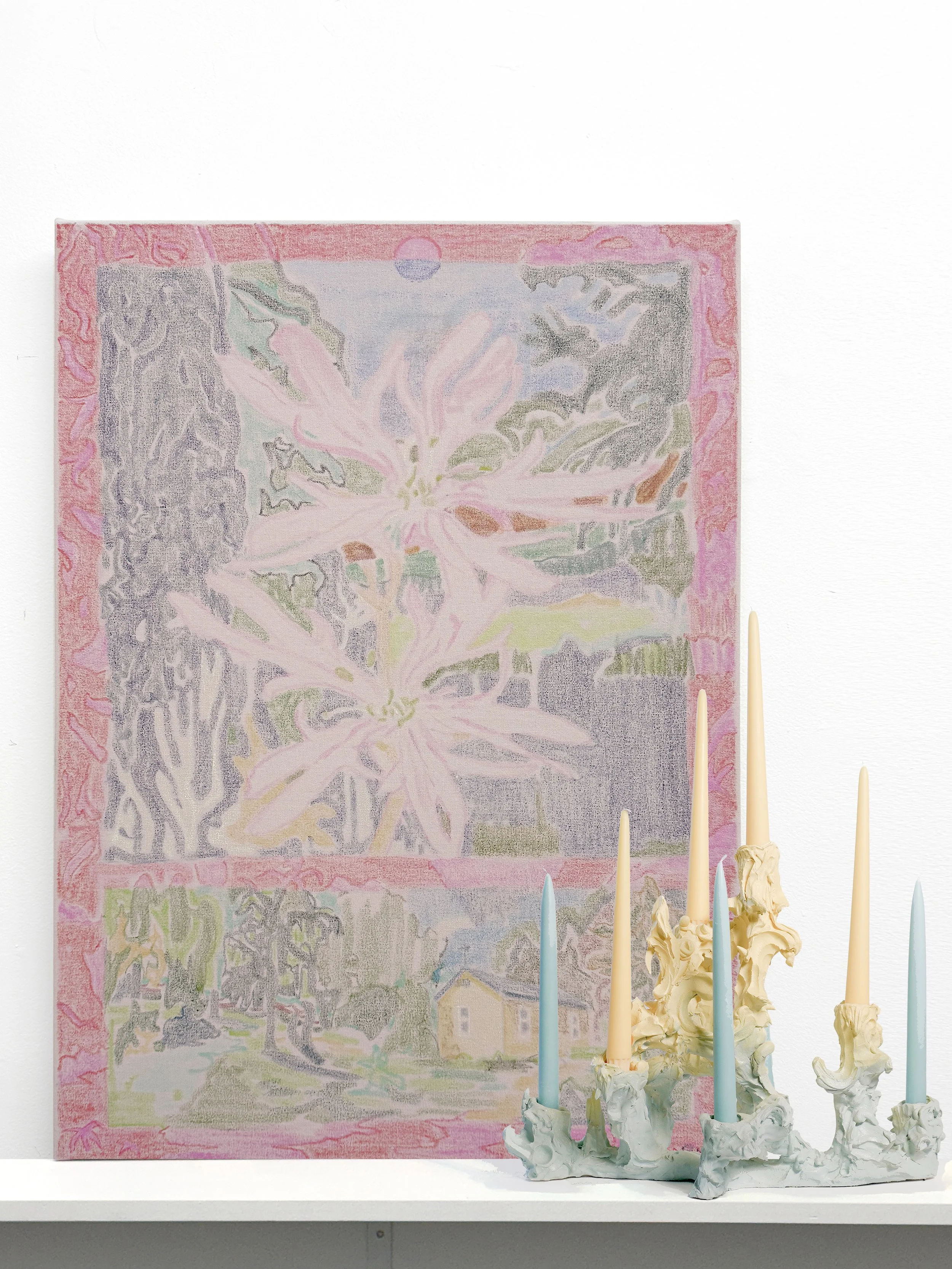
This exhibition presents a suite of ceramic sculptures and paintings that draw from several visual traditions, including sublime landscape painting, surrealism, ecclesiastical architecture, and classical antiquity. These traditions use atmosphere, scale, and symbolism to pull at emotional and spiritual registers.

I ENQUIRE A CATALOGUE I

The show’s title, Low Signal, comes from the atmospheric qualities of the first painting completed for the exhibition, Soft Meridian. The mountain scene carries a sombre but luminous mood, a quiet sense of melancholy within an otherwise pastoral landscape. The phrase “low signal” suggests a weakened transmission, something distant or partially received. In the context of the exhibition, it speaks to the dreamlike quality of the works, as if the landscapes exist slightly out of contact with the world.

The oil pastel landscapes unfold in soft, hazy colour. Their pastel palette creates a sense of calm that can feel almost utopian, yet the scenes remain subtly uncanny. Gravity, perspective, and logic appear slightly unsettled. These environments feel both recognisable and invented, as if they belong to a larger narrative world. The images operate almost like storyboards, fragments of a place that extends beyond the frame.

Alongside the landscapes are ceramic candelabras that reference classical and religious forms. Their silhouettes recall traditional decorative objects, yet their surfaces appear to melt, erode, or grow outward. Ornament softens and collapses into new shapes. These sculptures echo the landscapes by presenting familiar archetypes in a state of transformation.

Across the exhibition, landscape and objects share a common atmosphere. Natural scenery and architectural forms are filtered through a soft, dreamlike lens. What remains is a world that feels suspended between beauty and distance, where signals from familiar cultural and natural forms arrive slightly faded, unstable, and open to interpretation.


Michael Carney b.1983 is an interdisciplinary installation artist, based on Kaurna Country, working across painting, ceramics, digital media, and installation.  His practice explores ontological and metaphysical questions through a blend of traditional craftsmanship and technological experimentation.

Carney holds a Masters of Visual Arts (Research) in 2016 following from his Bachelor of Visual Arts with Honours in 2012, from the University of South Australia. For this, he was awarded the National Campus Art Prize for Painting and runner-up for Sculpture.
Post-graduation, Carney completed a residency in Jingdezhen and an associateship at the JamFactory. In 2022, he was awarded the Catapult mentorship from the Guildhouse and received an Arts SA grant for a touring exhibition. In 2024, his work was collected by Artbank.
Carney’s work has been featured in several art publications, including Artlink and the Journal of Australian Ceramics.

Pip Ryan, Hot Mess

Stockroom Kyneton, gallery one
14 March / 19 April 2026

PIP RYAN
Hot mess

What happens when you don’t sleep for two years? You begin to live in a world that is in-between, where time moves painfully slow and impossibly fast all at once, where you are never fully awake or fully asleep. When you don’t sleep for two years, you don’t simply become tired, you become hollow.

I ENQUIRE A CATALOGUE I

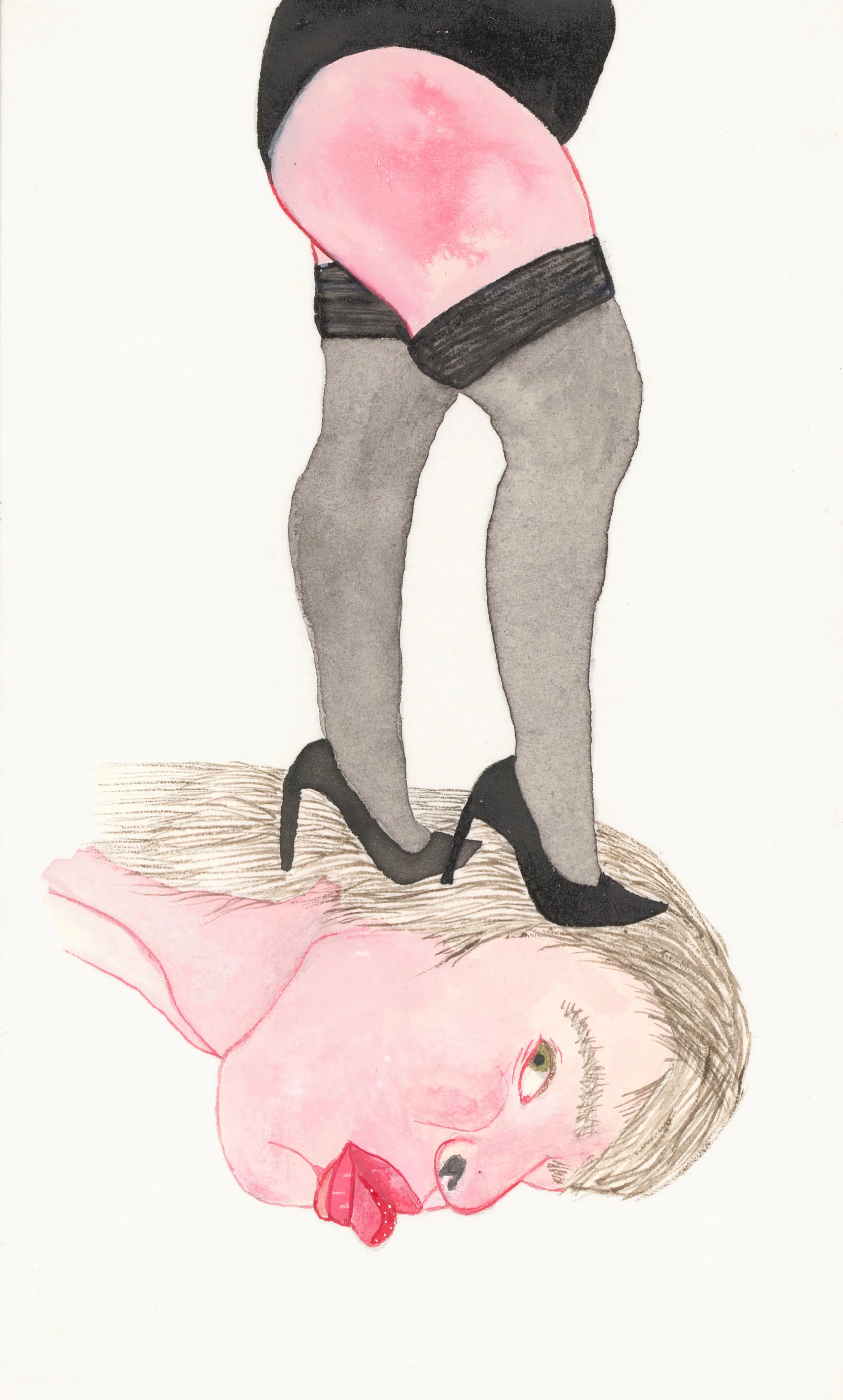
Sleep Deprivation, 2026
watercolour, gouache, pencil on paper, framed with non-reflective glass, 12.5 x 7.5 cm

Hot Mess is a new body of work, which includes sculptures and works on paper. These works grew out of a period of rupture, taking inspiration from the physical and psychological landscape of postpartum delirium. After giving birth, I found myself inhabiting a body that felt both ravaged and newly formed.

Working intuitively the figures I’ve created feel as if they are becoming something, or perhaps are coming undone, humorous, tender, grotesque and absurd. Through these works I want to explore transformation not as a clean transition but as something messy, bodily, and unfettered.


Pip Ryan is an Australian artist based in Narrm/Melbourne. Her practice explores humour, irony and the absurd through drawing, sculpture, installation and video. Her works present a multitude of imagined creatures and characters including hybrid animals, disembodied figures and darkly comical beasts. Ryan is interested in using colour and playful forms to engage with dark and surreal subject matter, exploring the junction between the personal and the imagined world. She also collaborates with her sister Natalie Ryan exhibiting under The Ryan Sisters.