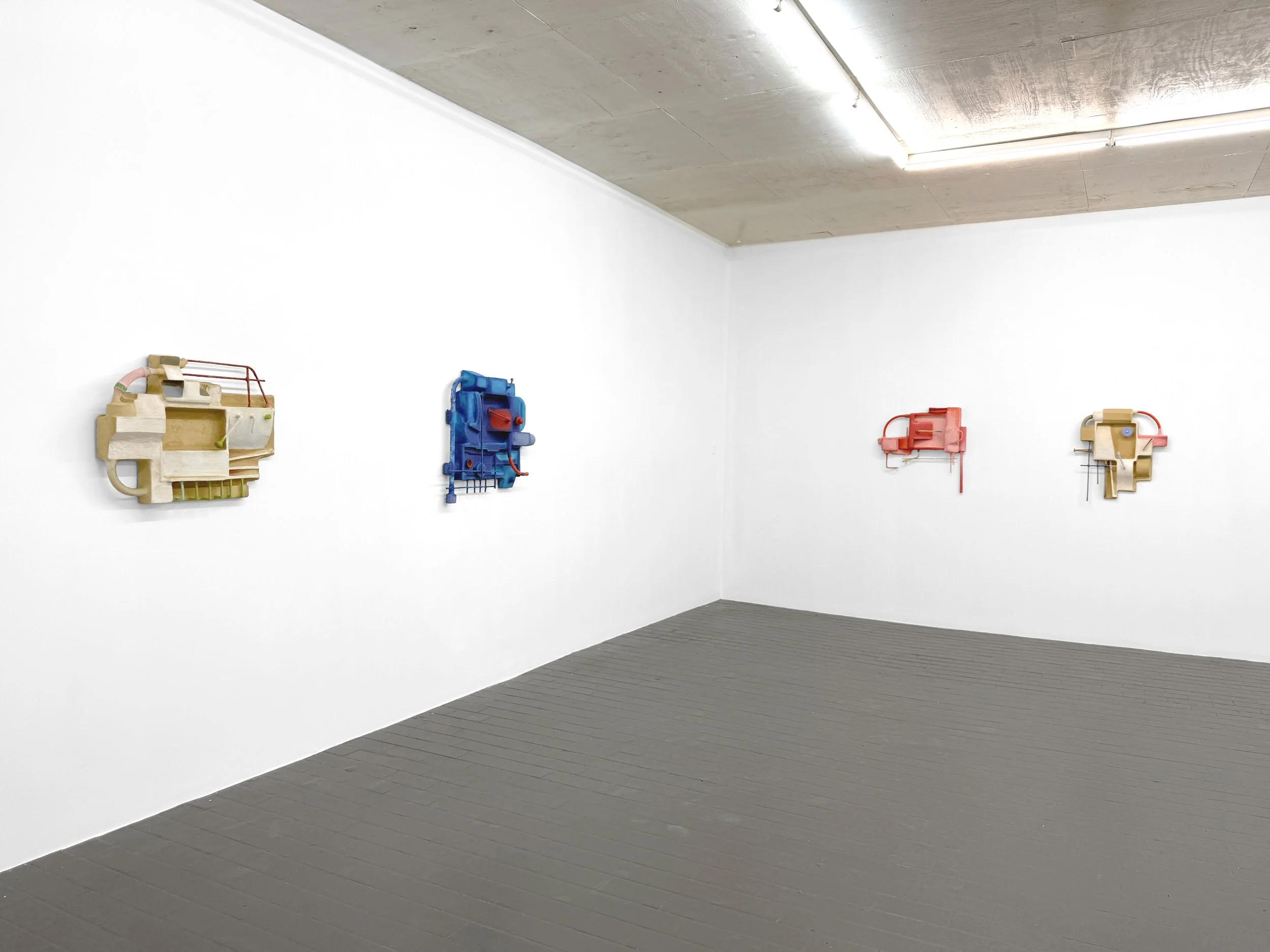
Stockroom Kyneton, gallery one
02 May / 07 June 2026
PATRIZIA BIONDI
PROVISIONAL STRUCTURES
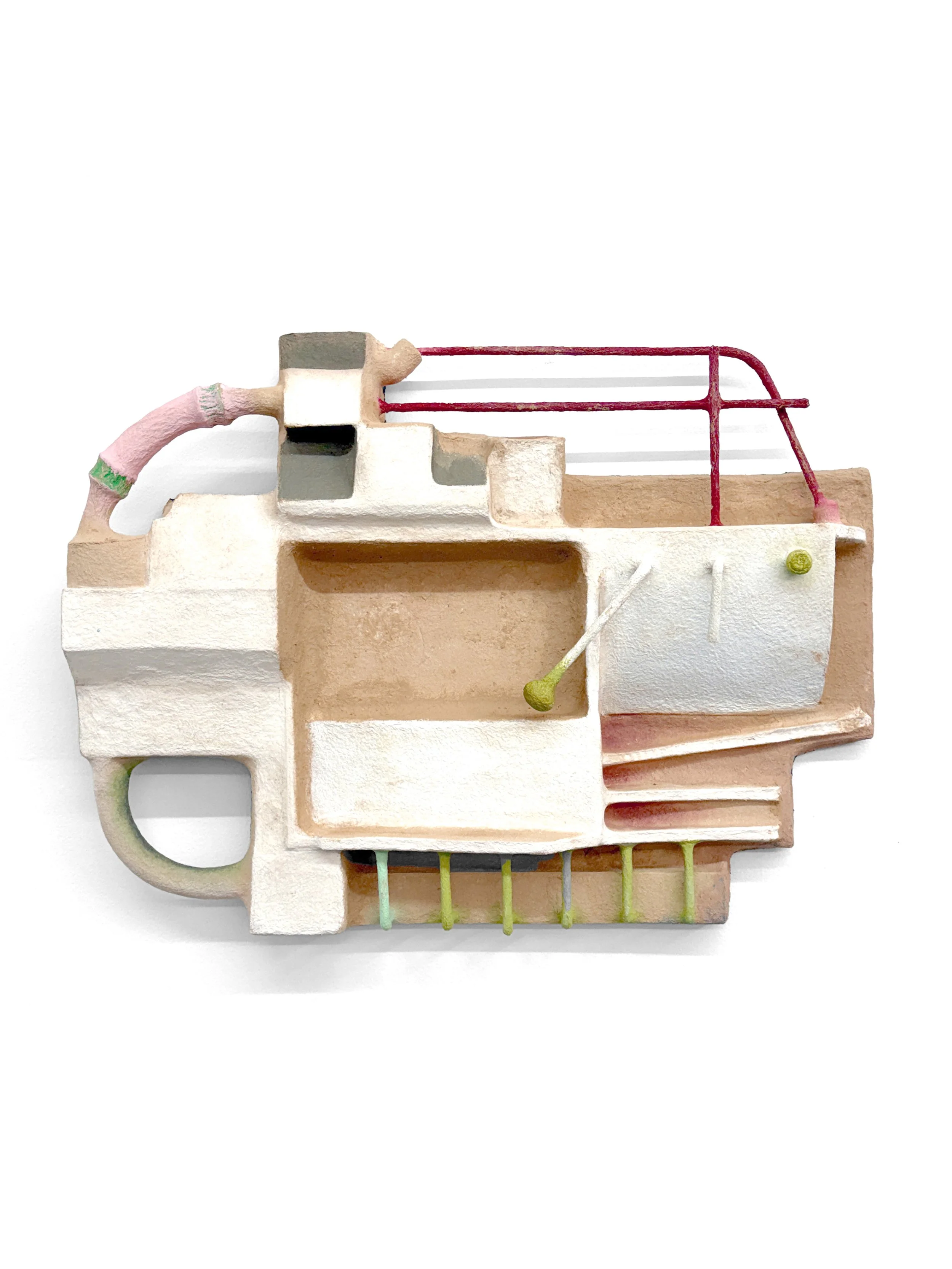
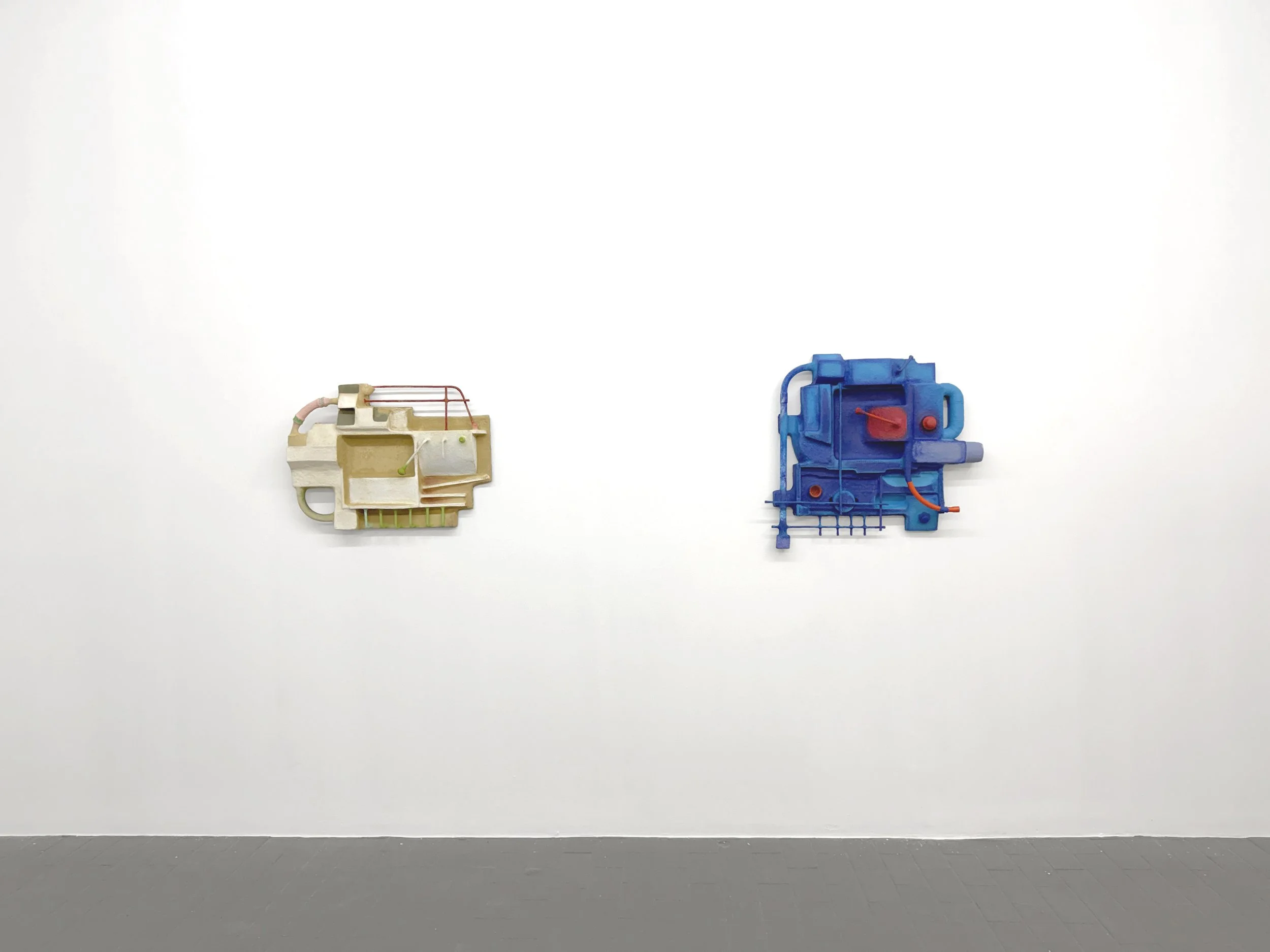
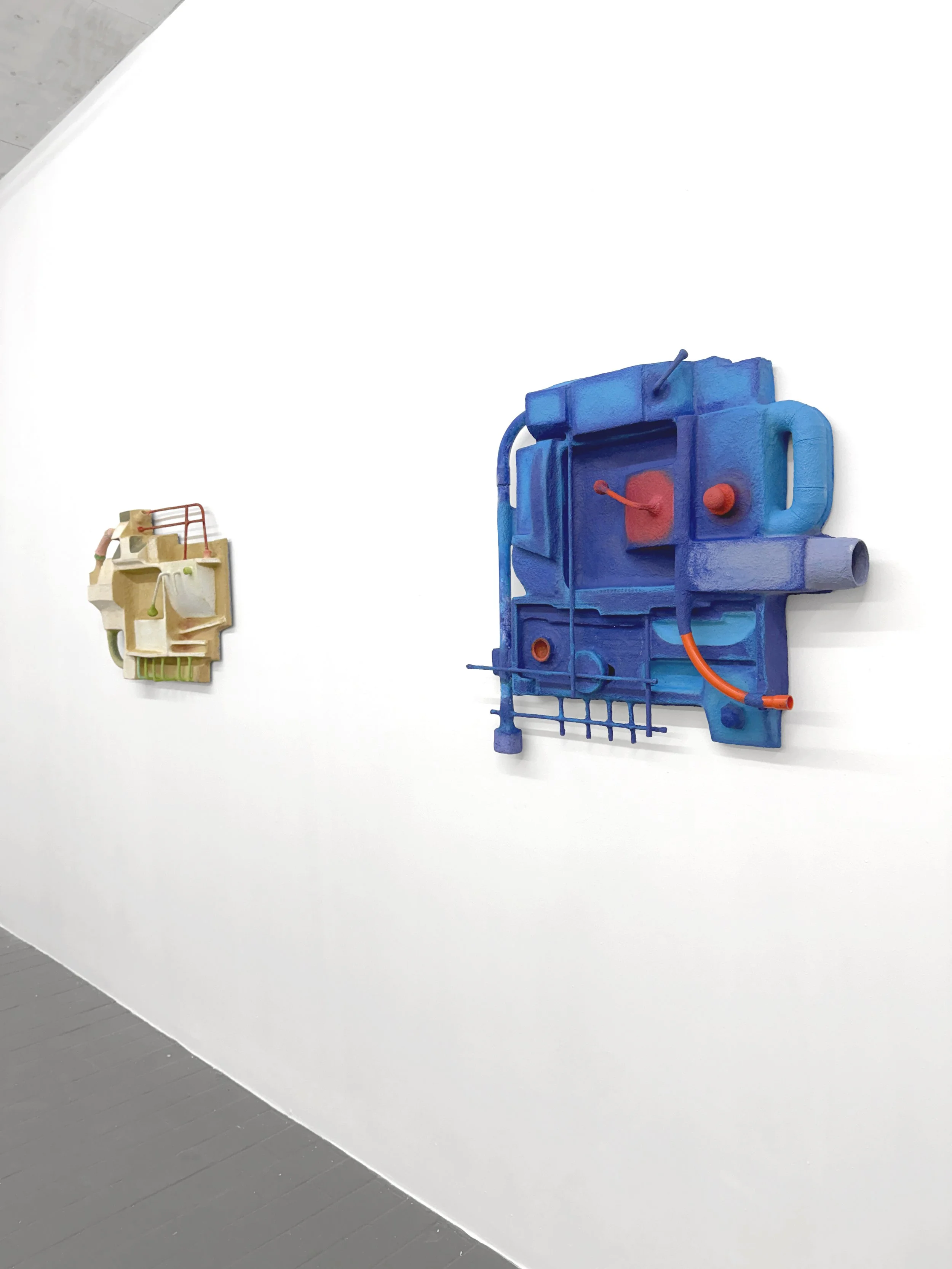
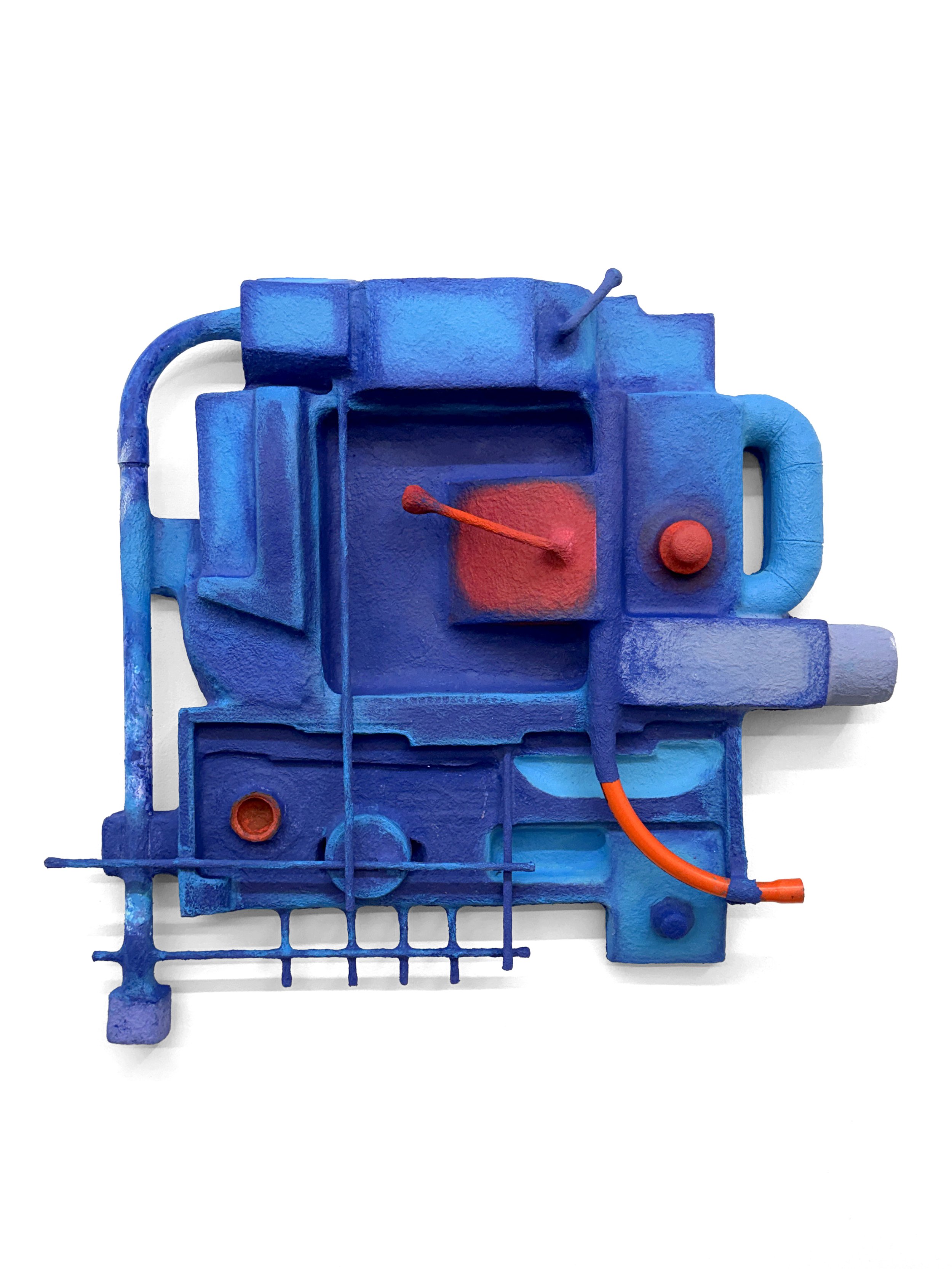
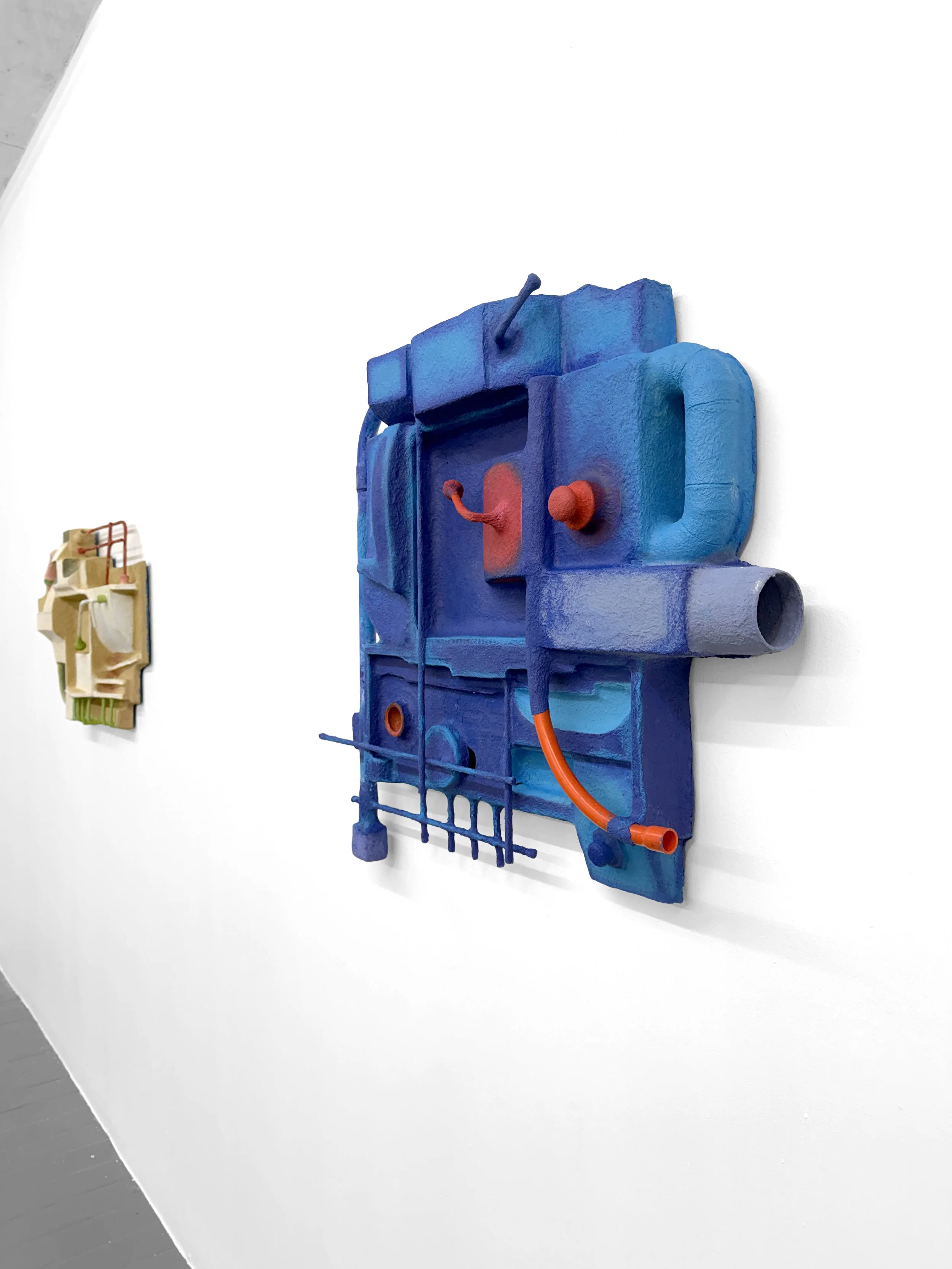
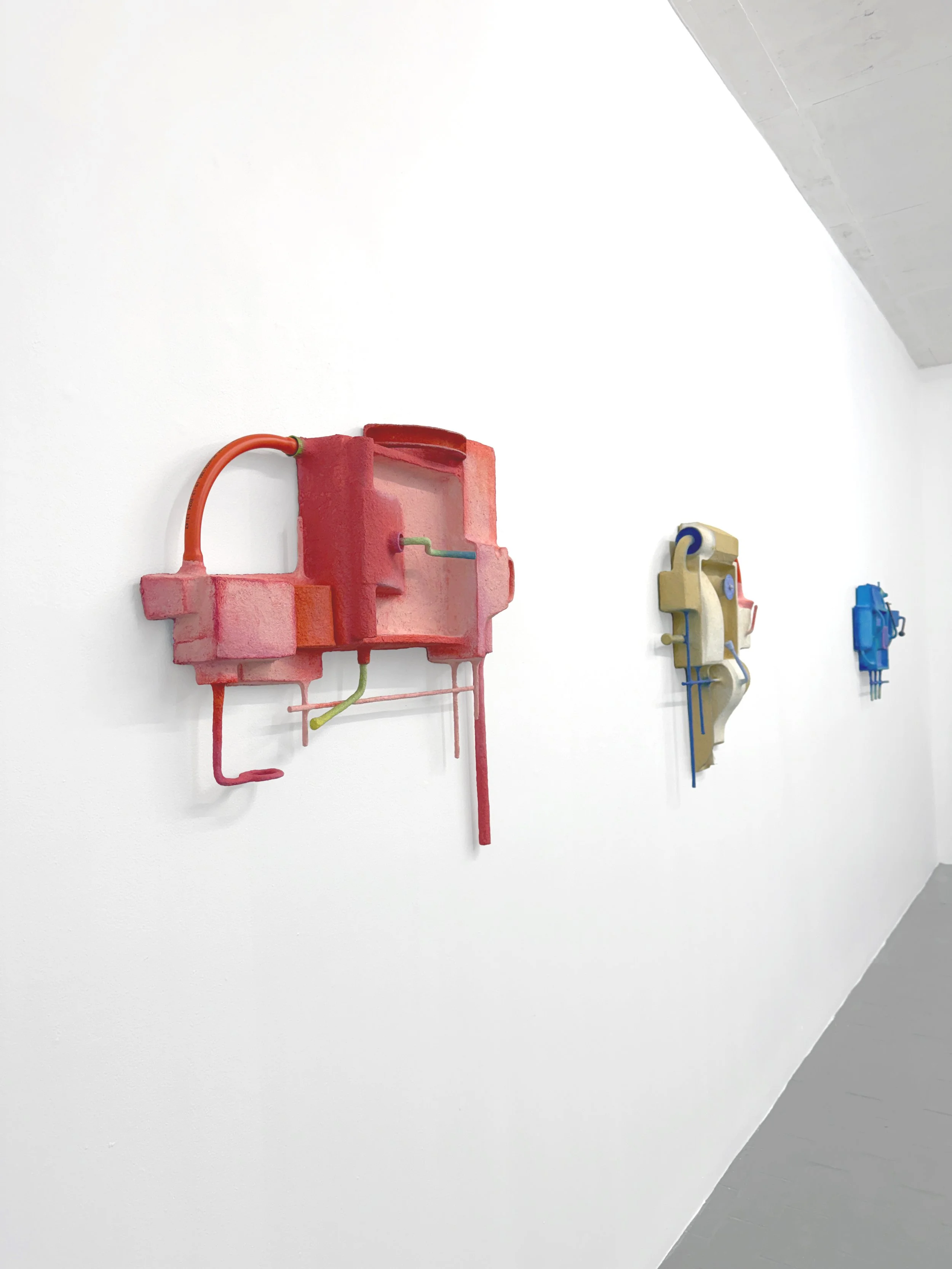
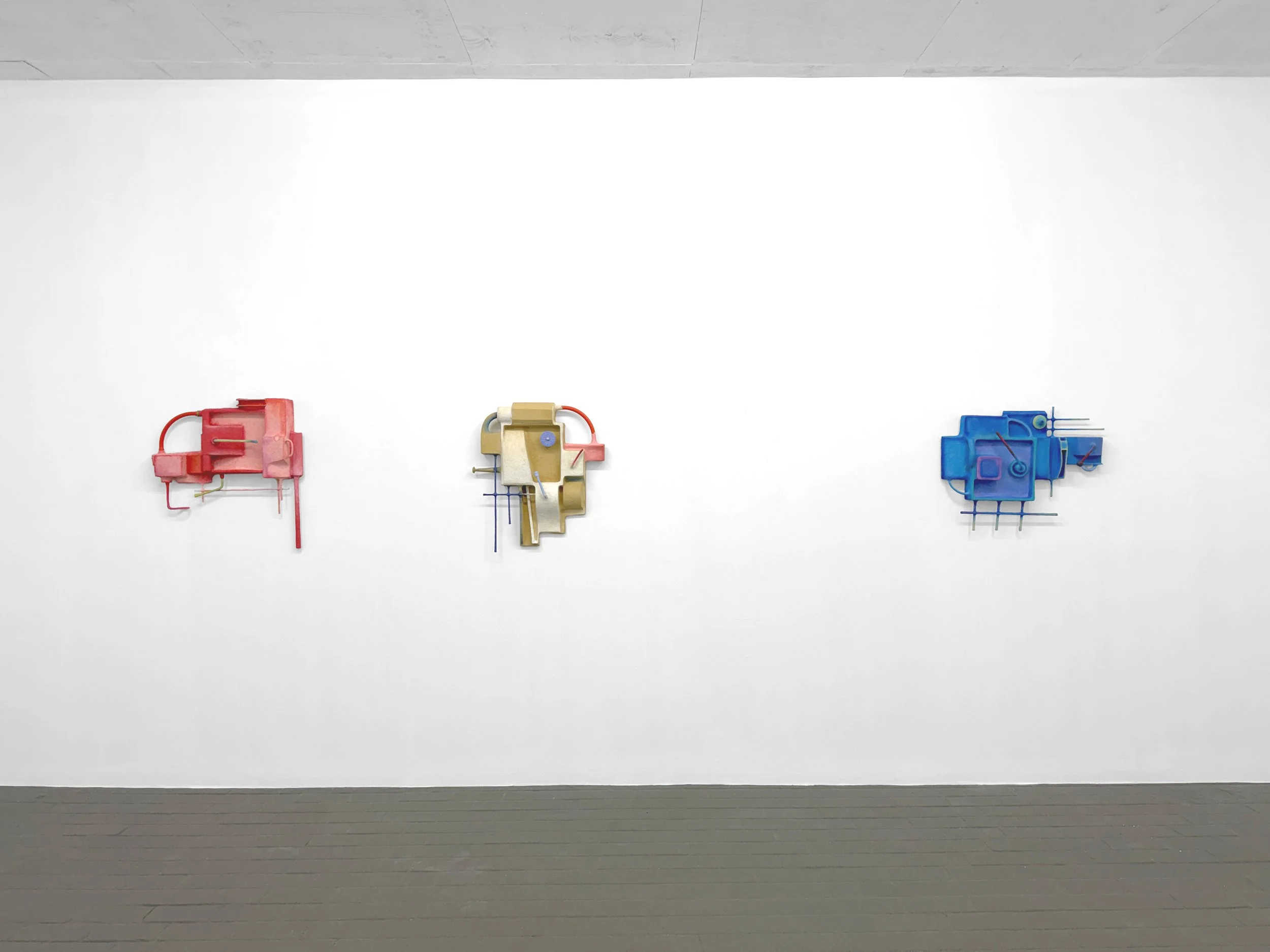
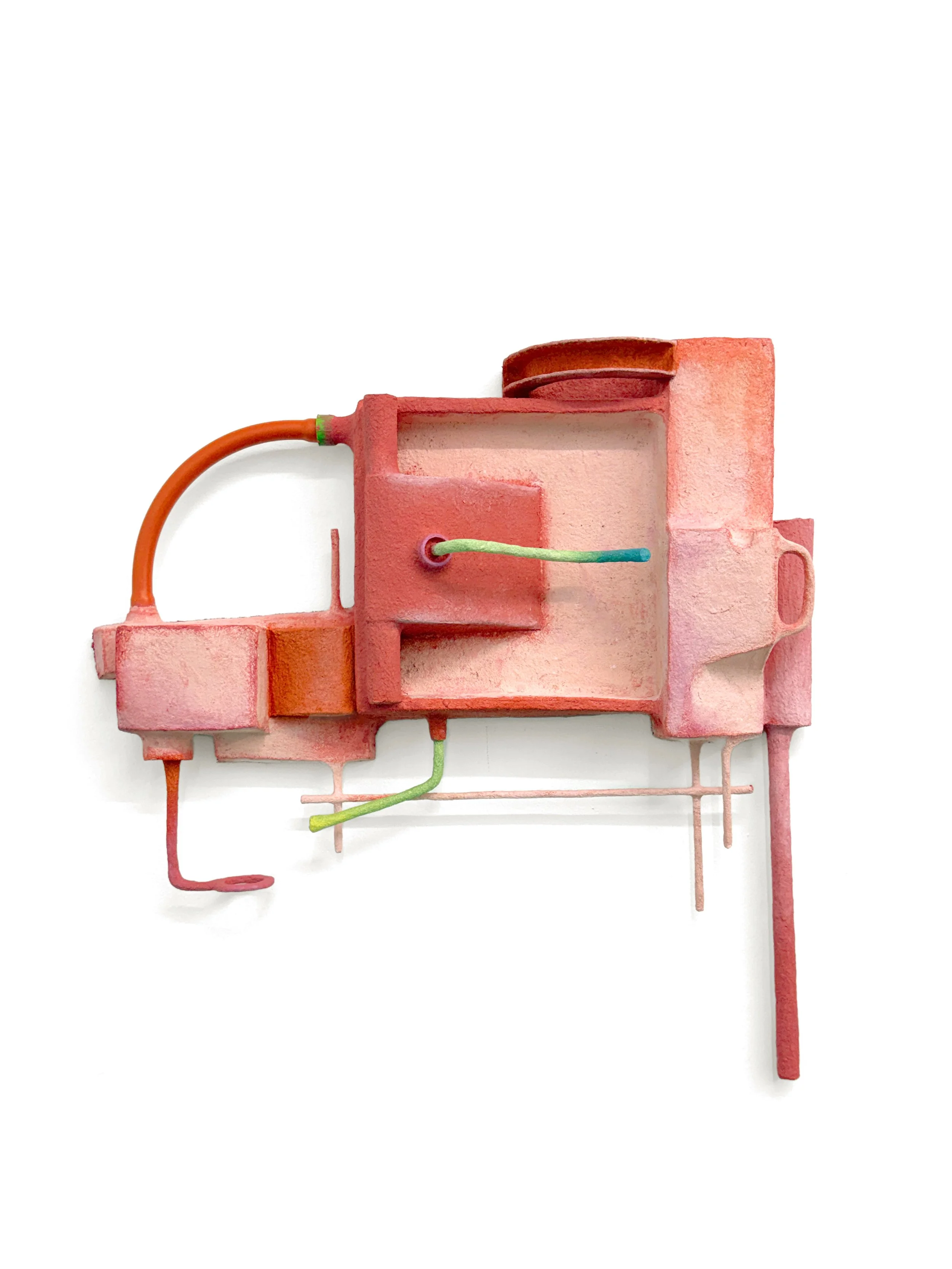
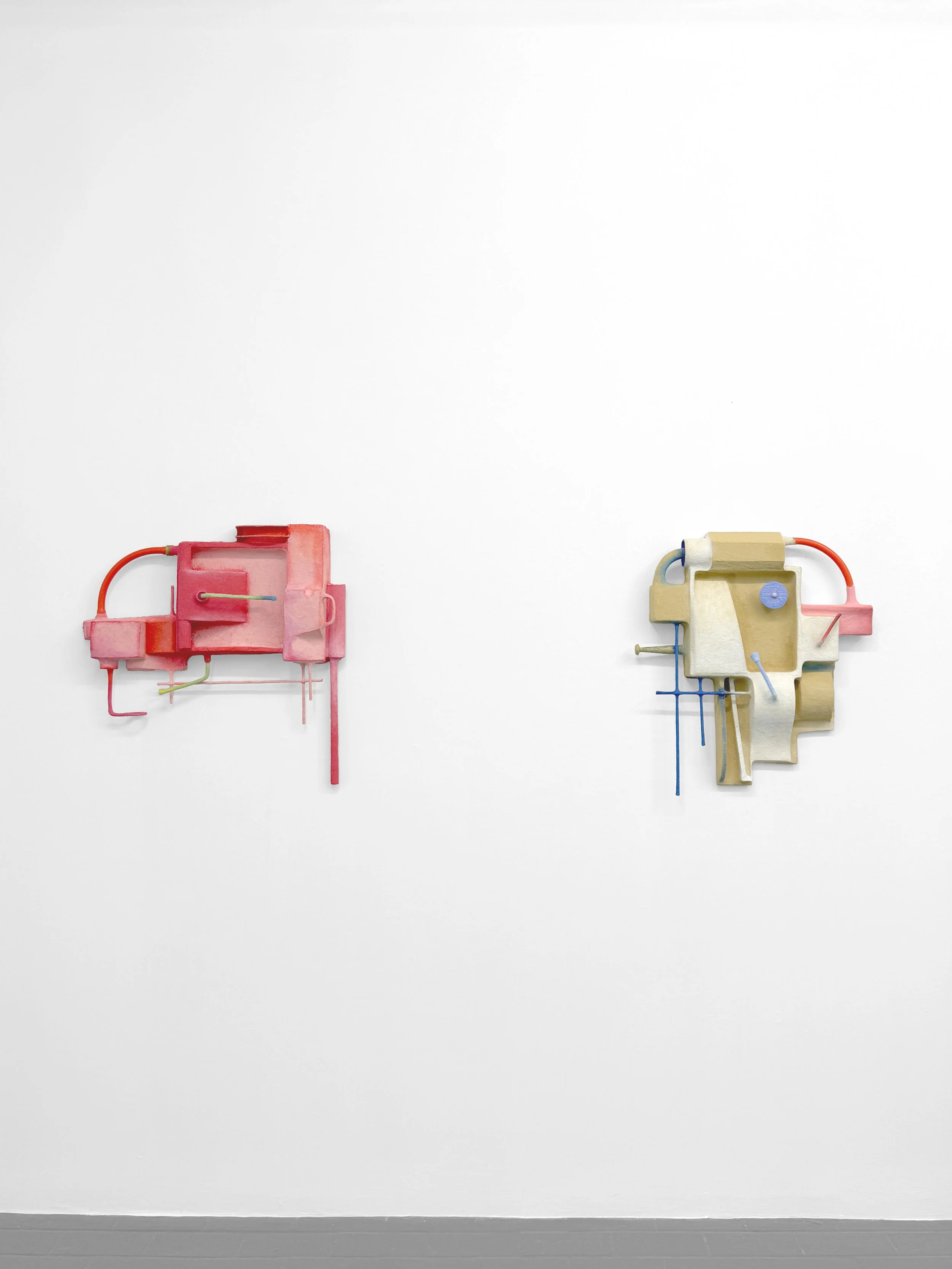
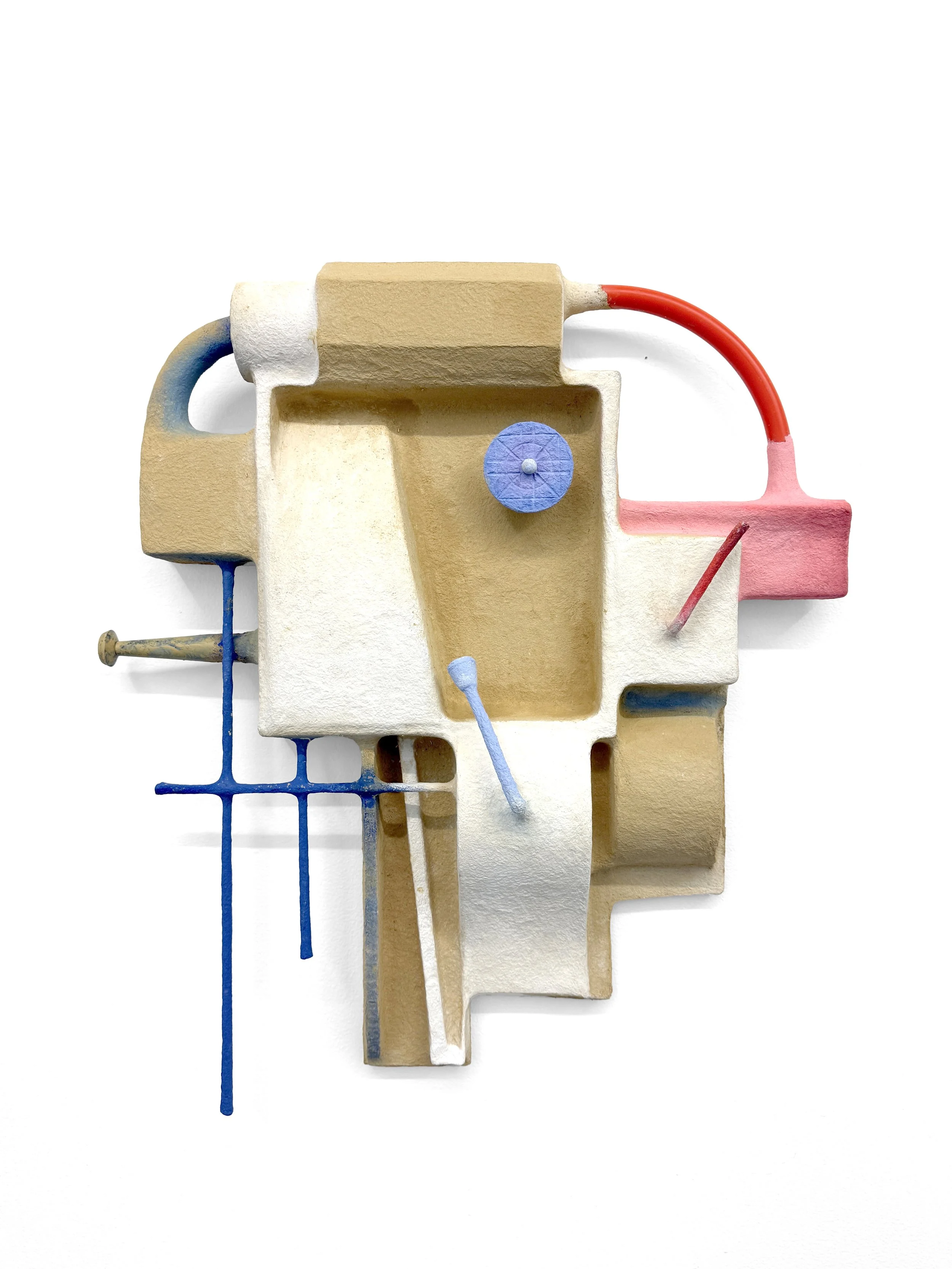
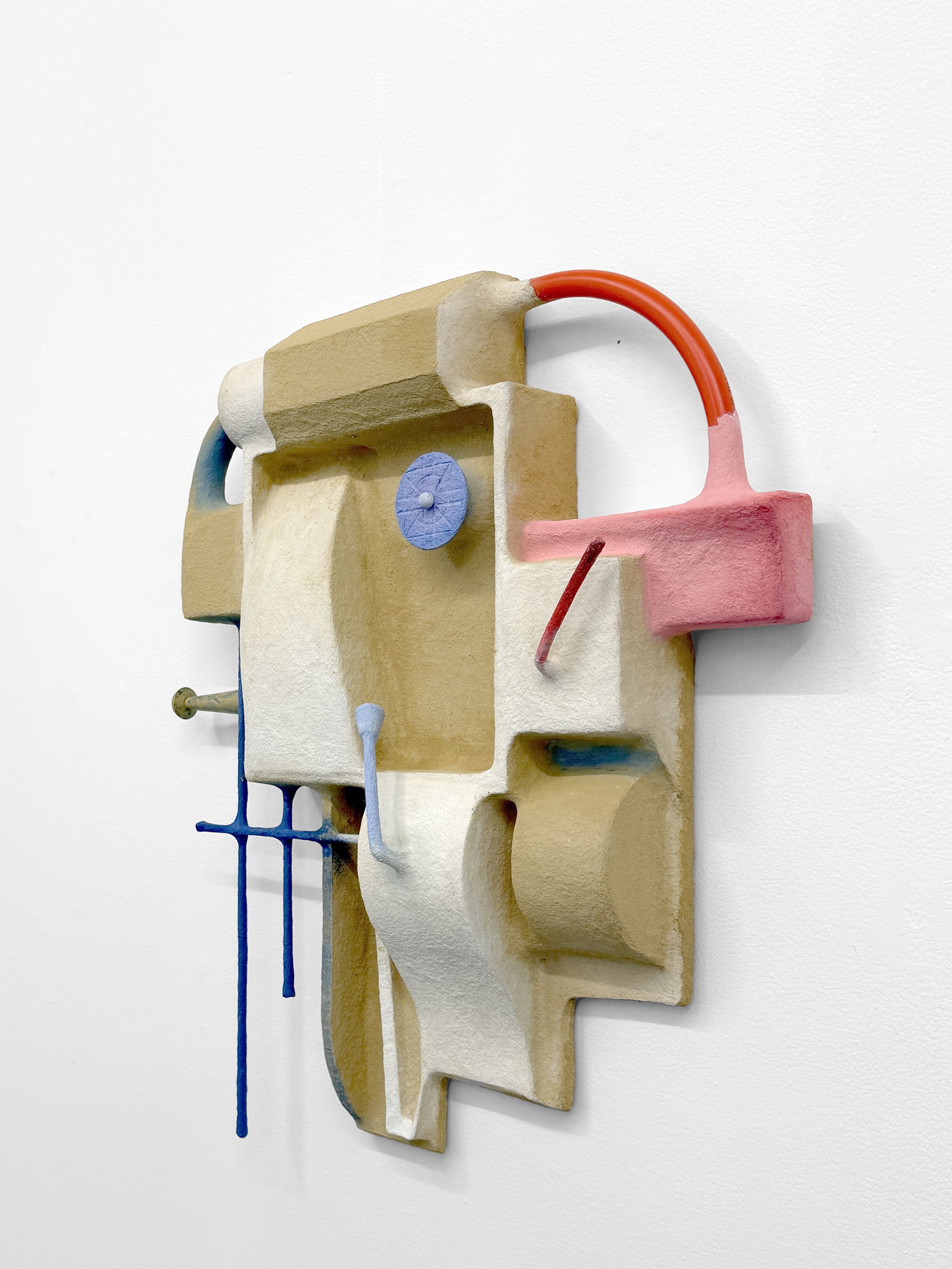
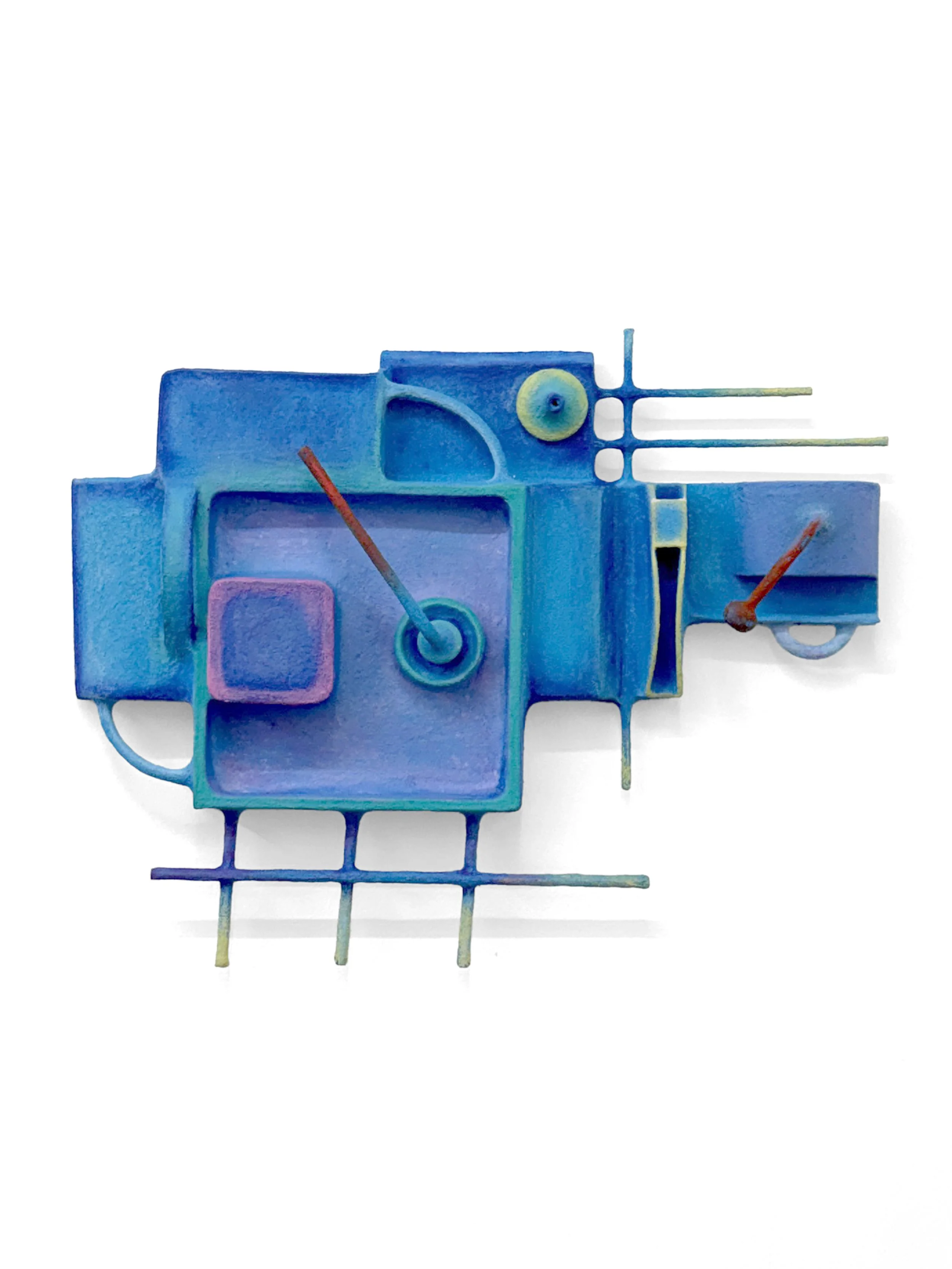
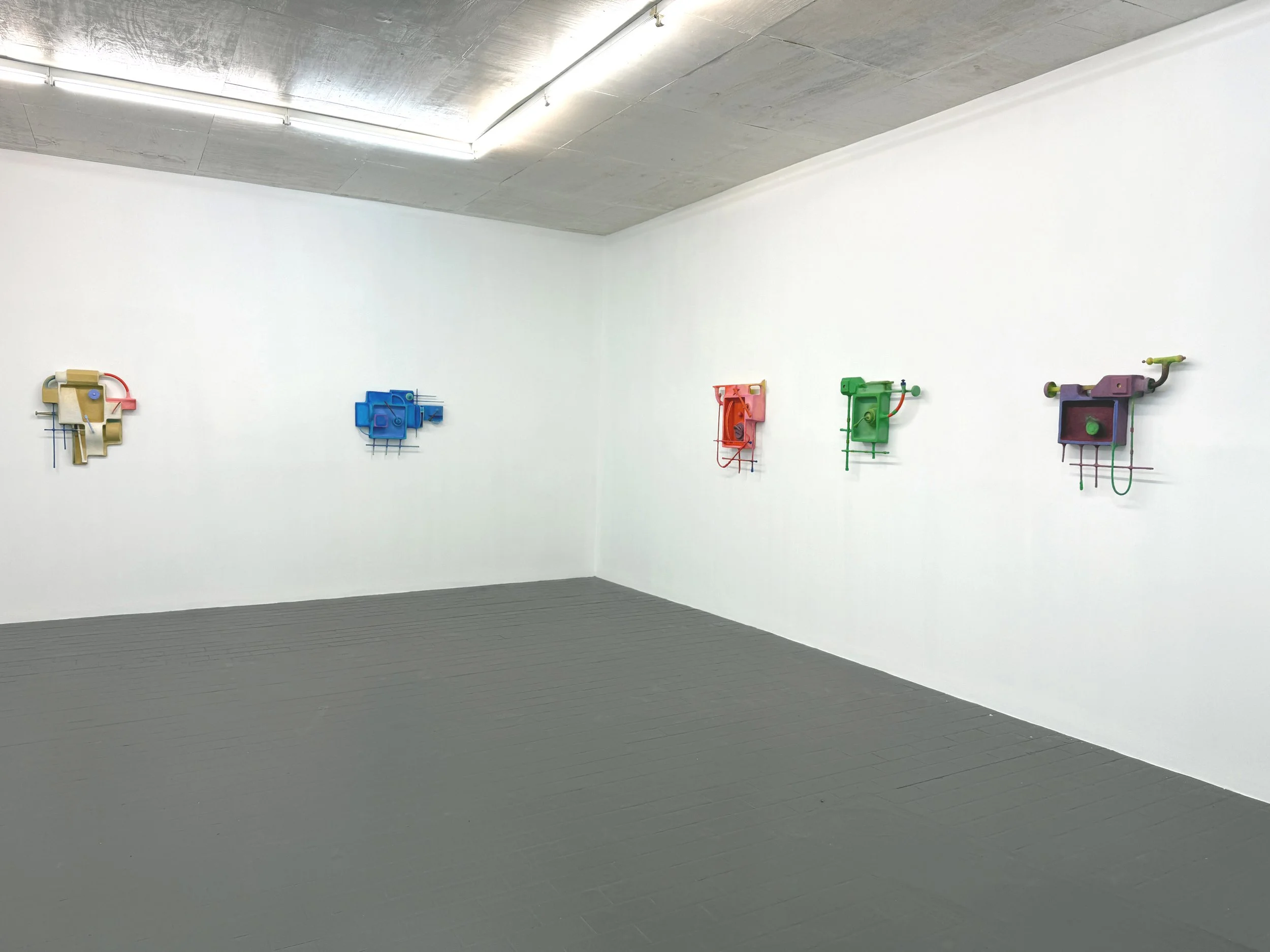
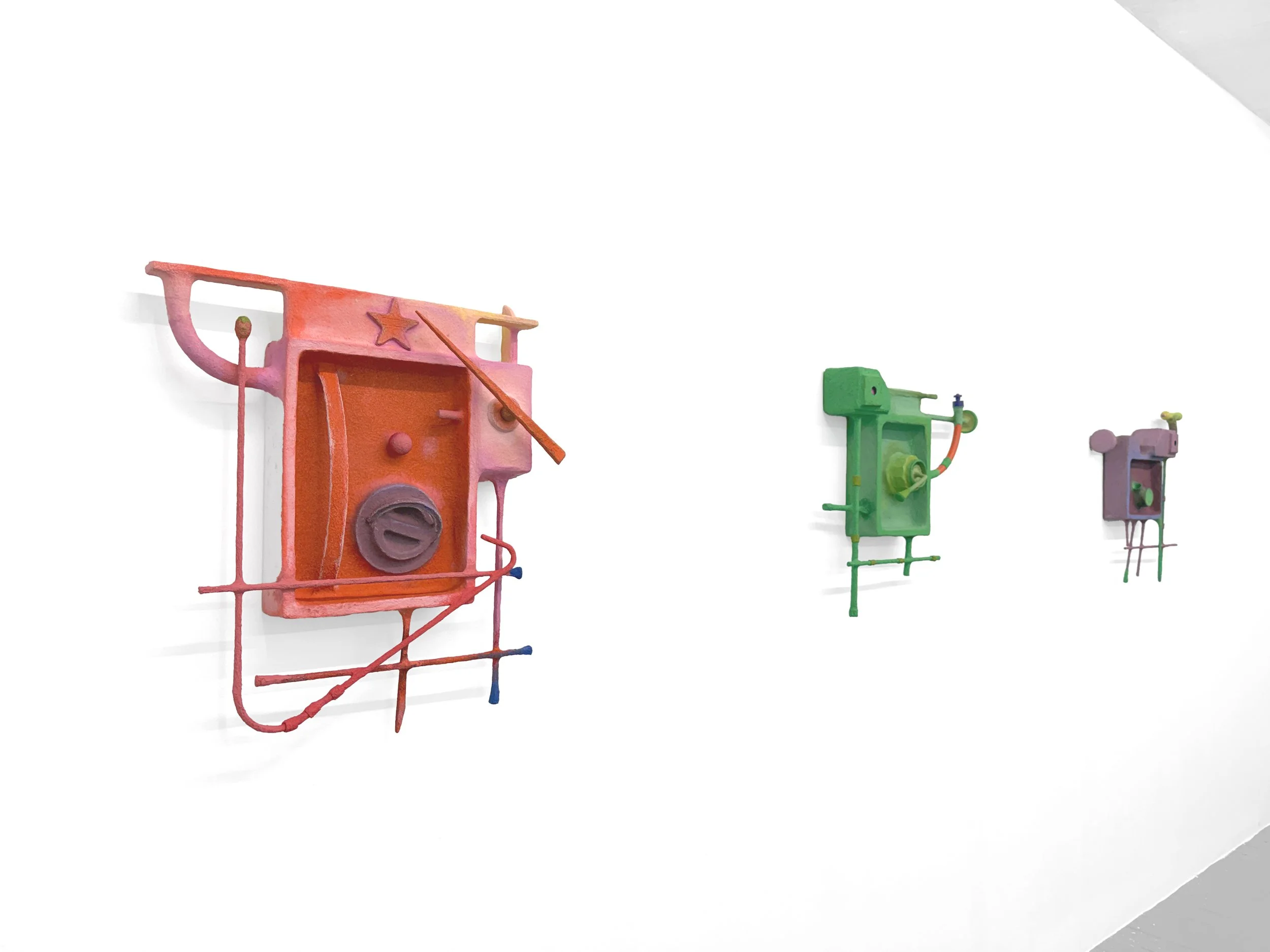
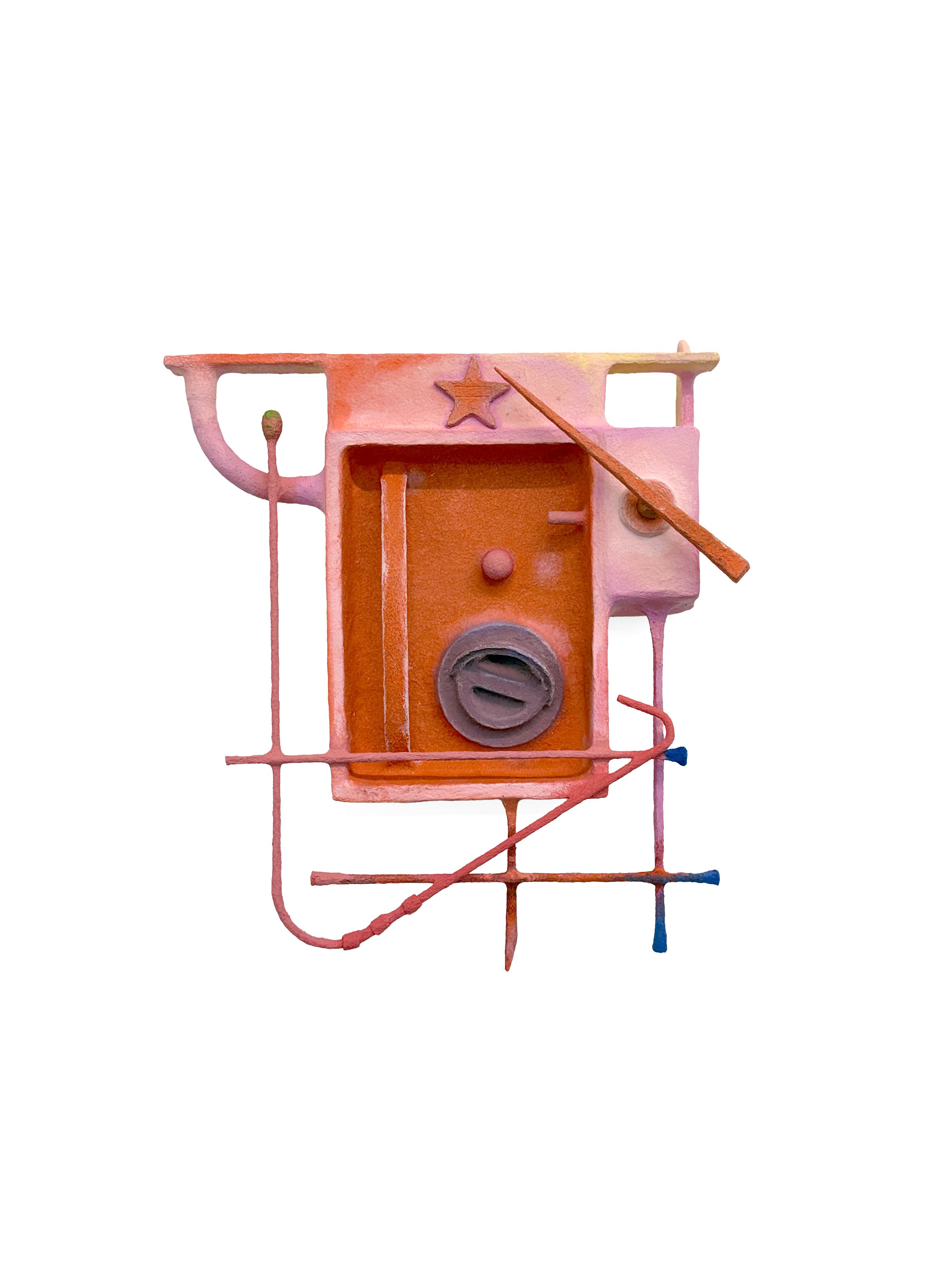
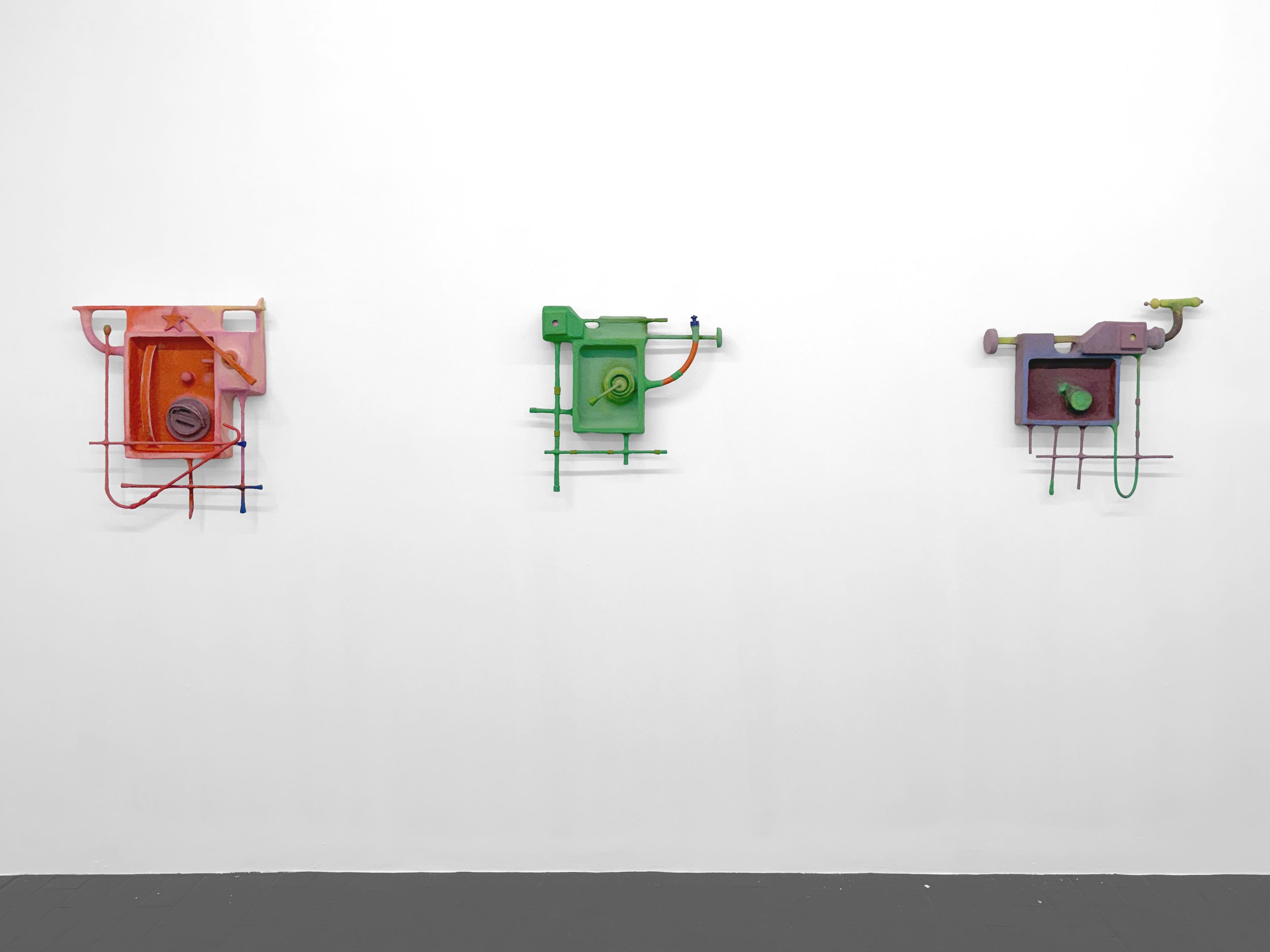
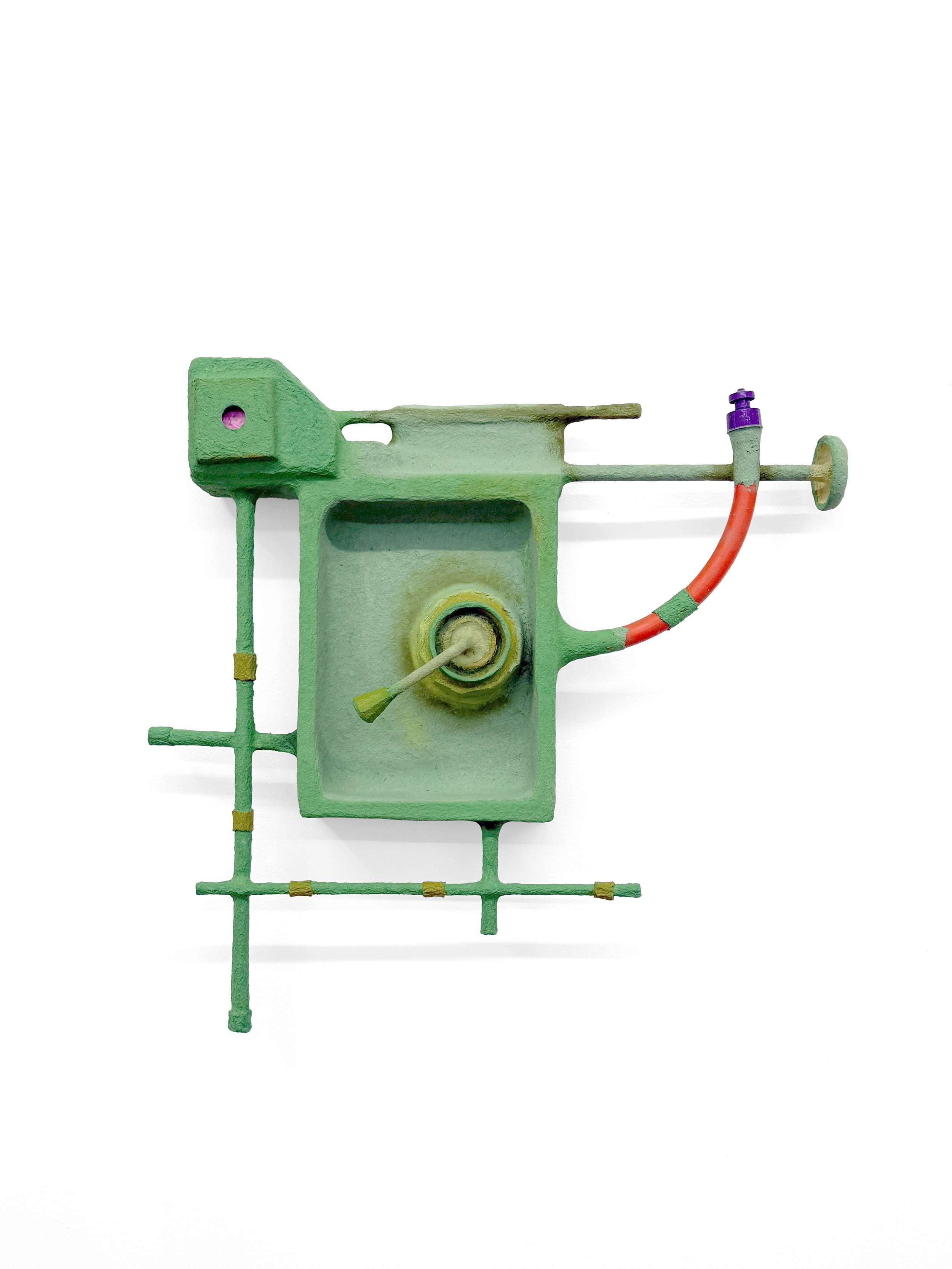
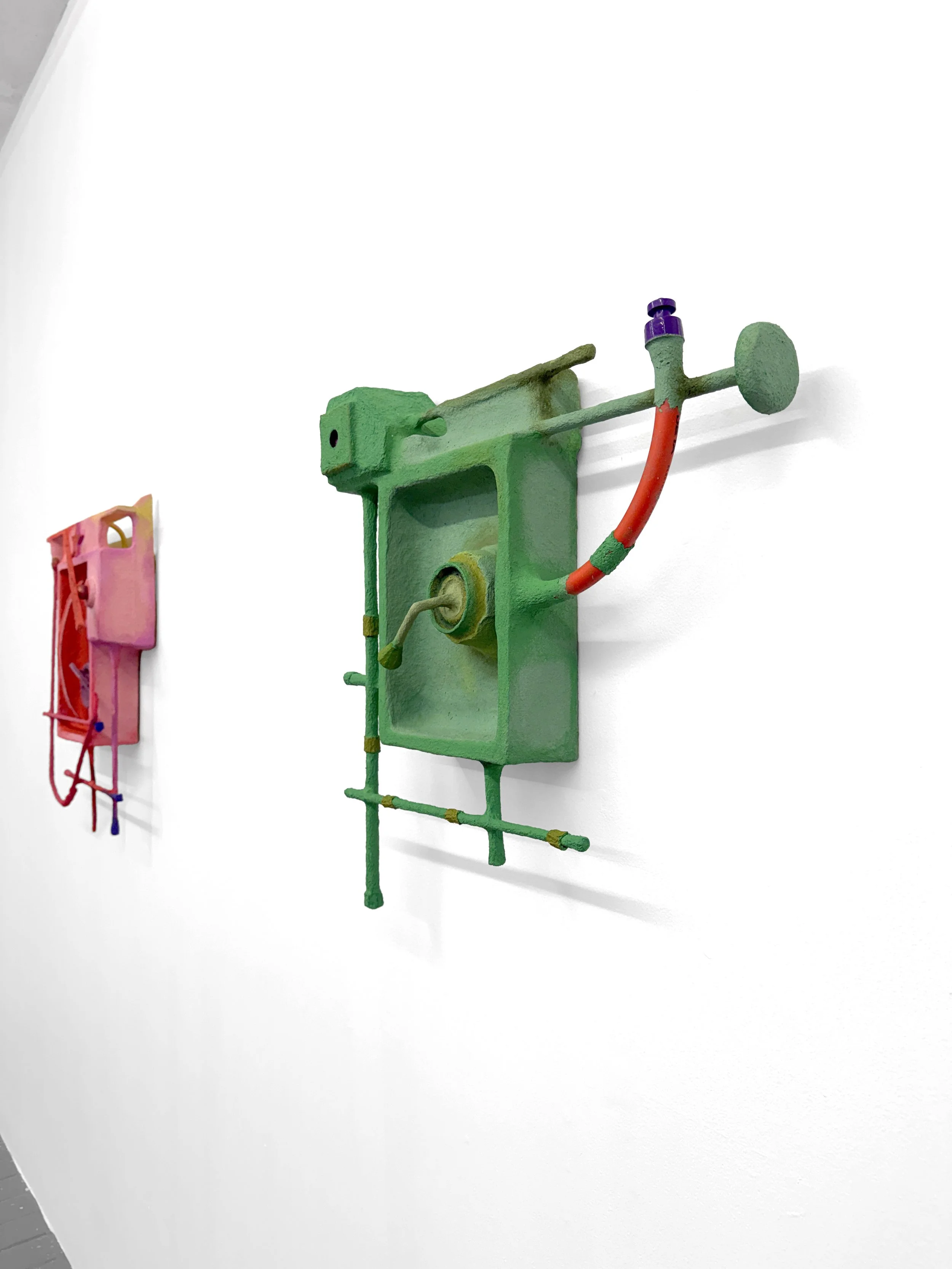
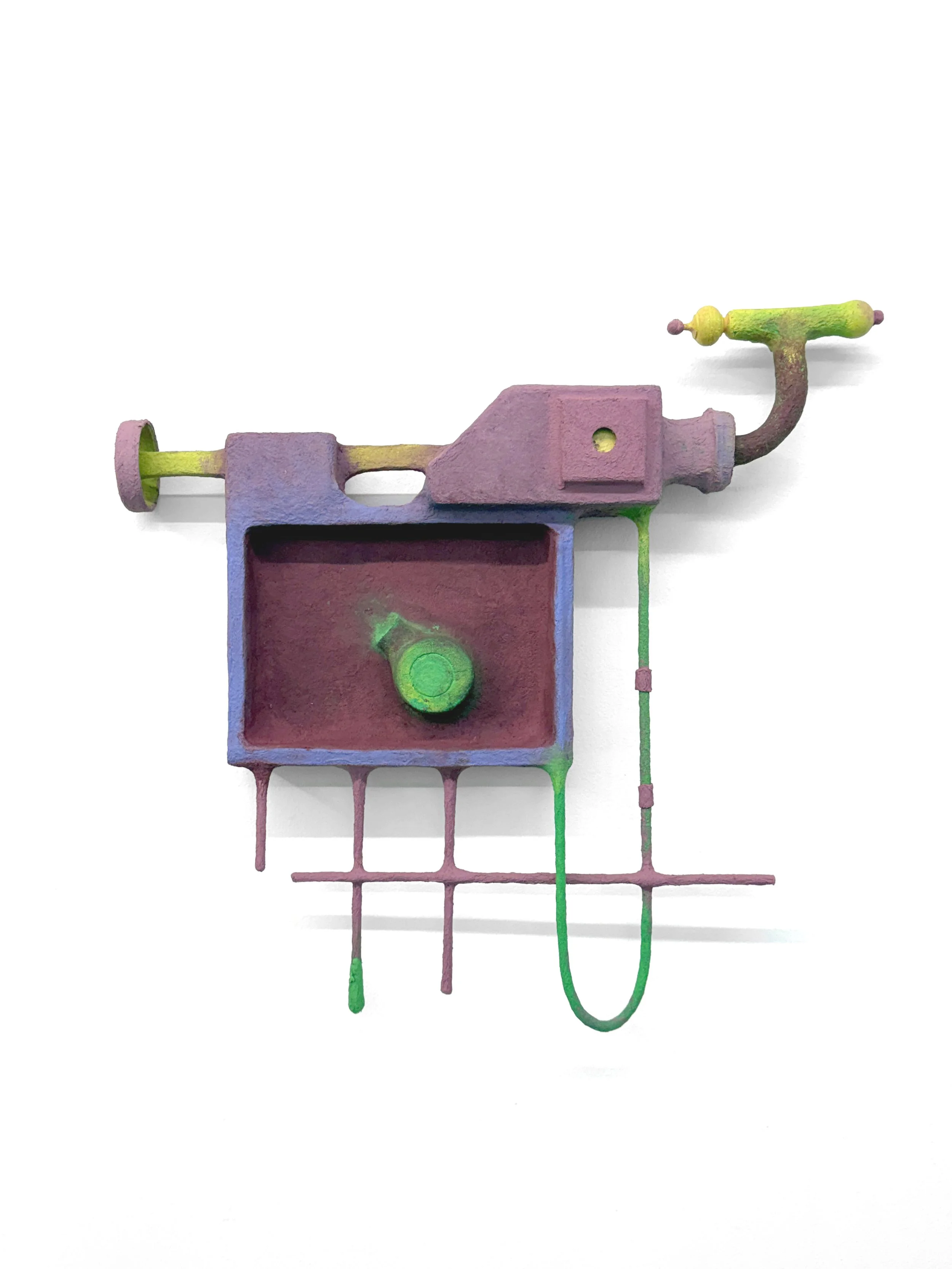
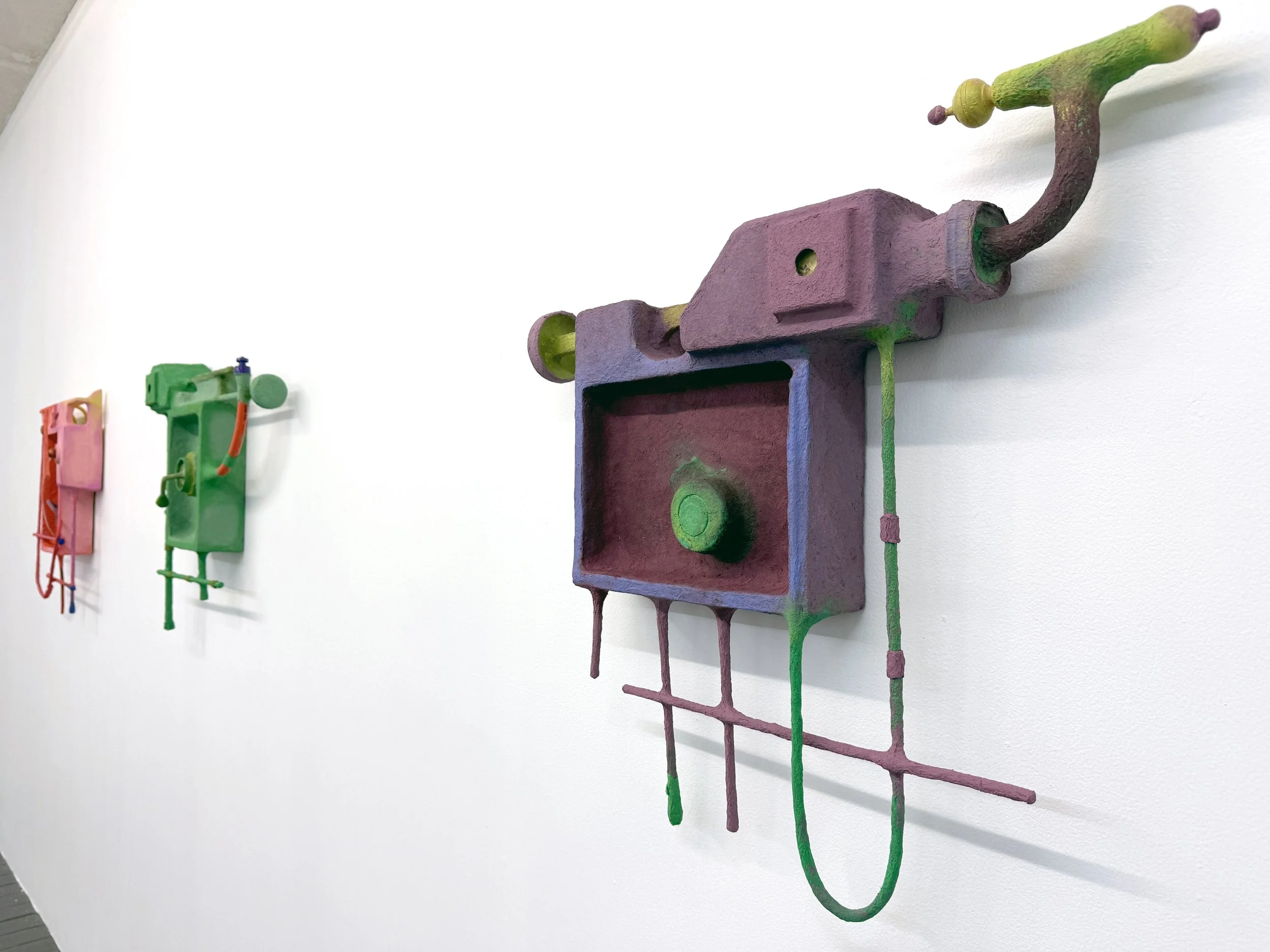
These works present themselves as fragments of infrastructure that have slipped free from their assigned function. They carry the visual language of industry — modularity, containment, junctions — yet none of these cues resolves into use. The objects appear designed for something specific, but that specificity is never fulfilled.
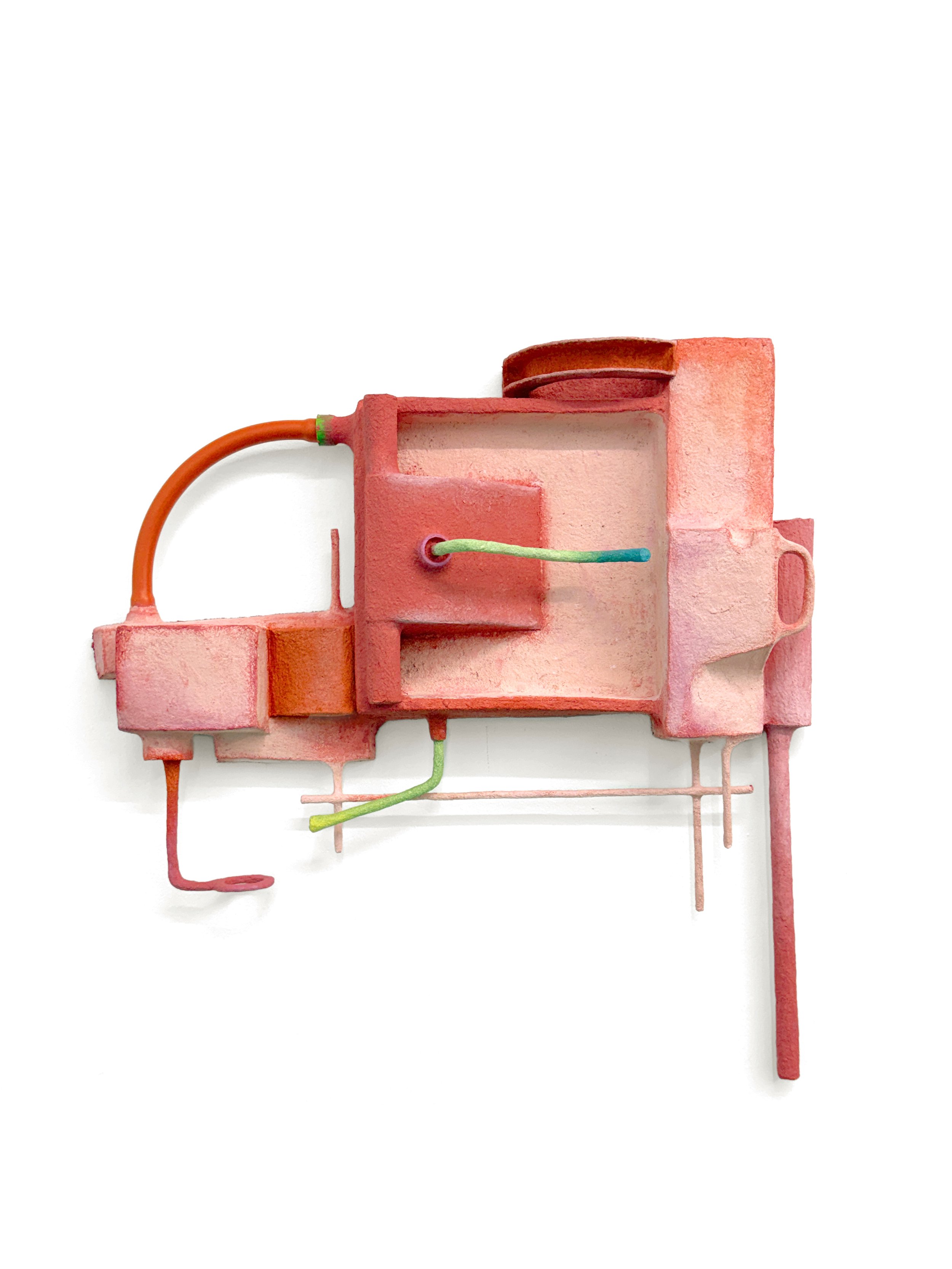
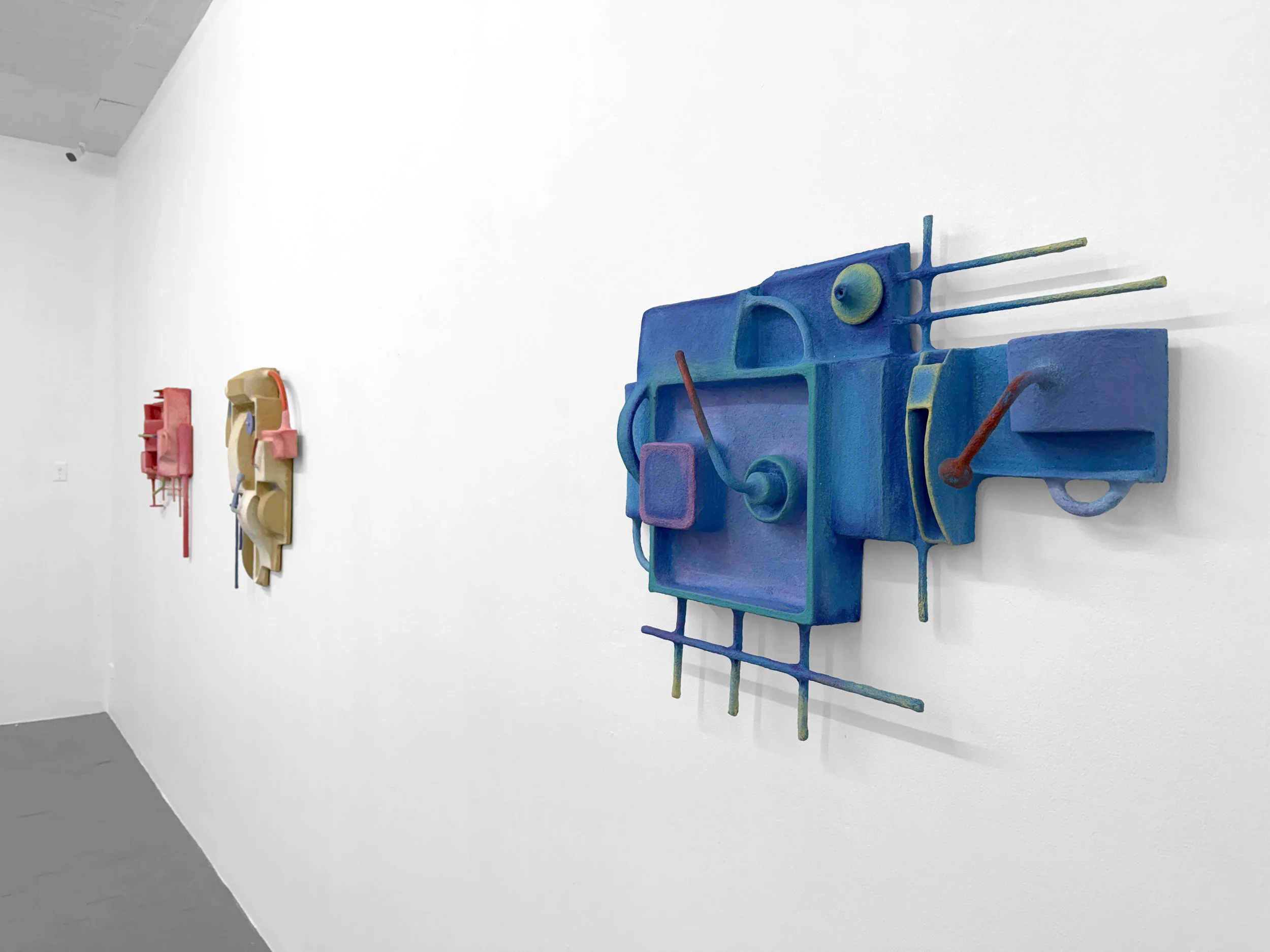
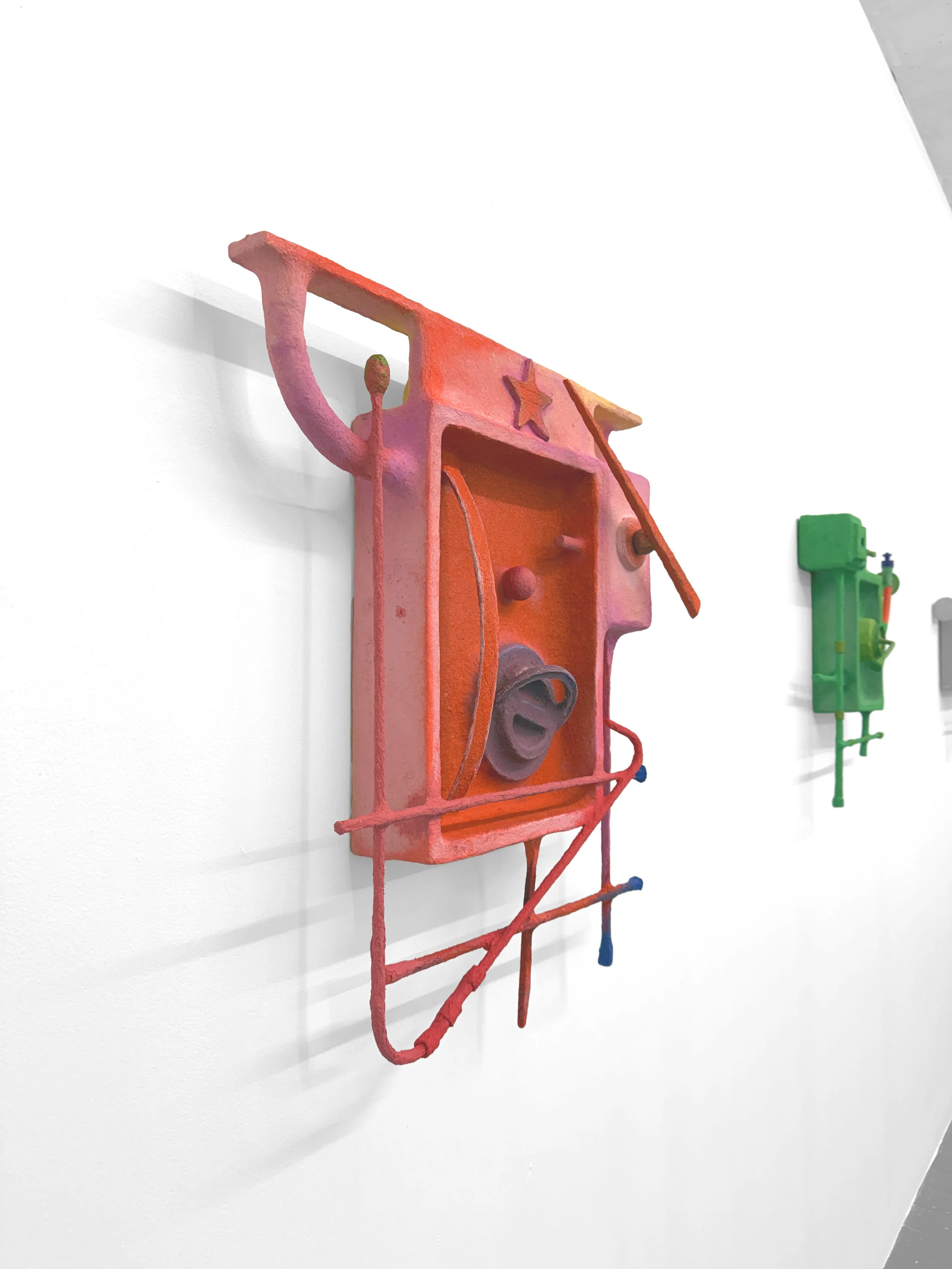
Form is the primary driver of meaning. Curves, straight segments and intersecting lines organise space in ways that suggest access, restriction and handling. Elements resembling handles, grips and turning knobs appear throughout the structures, implying the possibility of adjustment, regulation and intervention. They signal agency — the promise that something can be operated, calibrated or set into motion — yet the operations they propose remain inaccessible. Interaction is suggested but never completed. These arrangements are instantly legible, almost reassuring, even as they refuse to operate. What remains is a peculiar emotional state: familiarity without function, confidence without outcome.
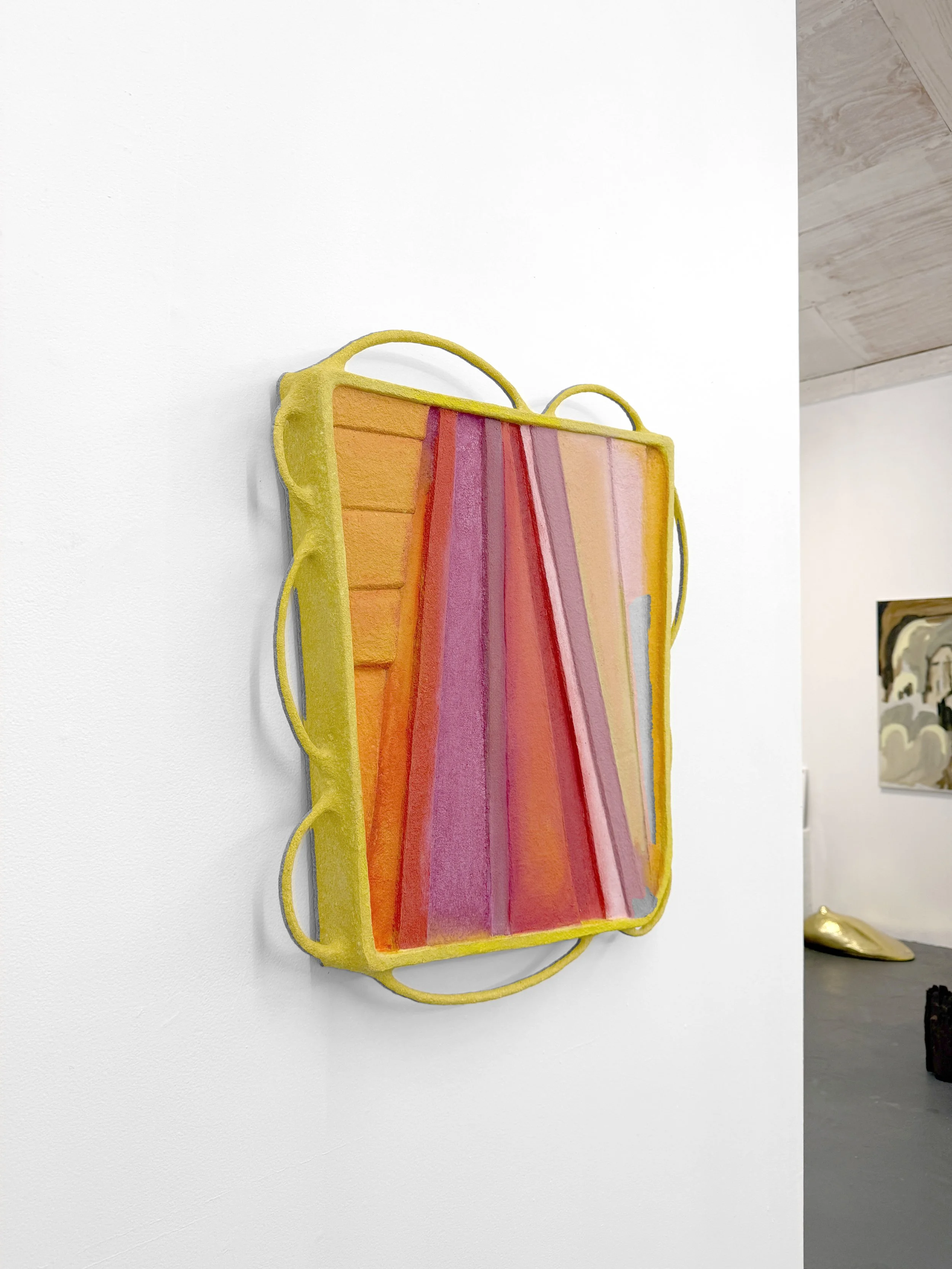
The sculptures are formed from paper pulp made with shredded confidential documents. Information that once circulated within administrative, legal or financial systems is materially transformed into structures resembling the infrastructures through which such data is managed. The process converts protected content into anonymous matter while retaining a residual sense of regulation, security and control. The material echoes the logic of contemporary information economies: data is constantly processed, destroyed, secured and reformatted, yet rarely disappears entirely. Handles, notes and other operational cues translate this condition into spatial terms, showing how the system should work without providing the means to operate it.
The work engages the myth of sustainability as both aesthetic language and industrial promise. Rather than proposing solutions, it examines how responsibility is staged through form. These objects echo systems meant to manage production, consumption and risk, while their non-function exposes the gap between structural appearance and actual effect. This implied dysfunction can also be recognised in social structures, international law and institutional frameworks that are widely invoked even as their capacity to operate appears strained or selectively disregarded.
Despite this critical edge, the sculptures avoid a dystopian tone. Their surfaces are tactile, colours bright, presence quietly playful. They invite attention without urgency. In doing so, the work reflects how structures built to organise care and efficiency can remain comforting even when they no longer perform the roles they imply. What is at stake is not breakdown but suspension. The objects do not imply failure; they remain unresolved. In that unresolved state, they reveal how easily belief can be sustained by form alone.