Exhibition Statement:
It’s been days and she hasn’t moved. She just stands in the backyard. She says she doesn’t need anything, that she’s drawing water from the air and the ground and her energy from the sun. Last night it rained and I begged her to come inside. She shook her head slowly, as if doing so caused her pain. I took out an umbrella and held it over her, but she growled so deeply and inhumanely that I dropped it and fled inside.
In the morning, Travis comes around and I make him coffee. We sit down next to her, hoping the aroma will tempt her.
It doesn’t.
‘She’s given up,’ Travis says.
‘That’s not what this is,’ I say. P1.
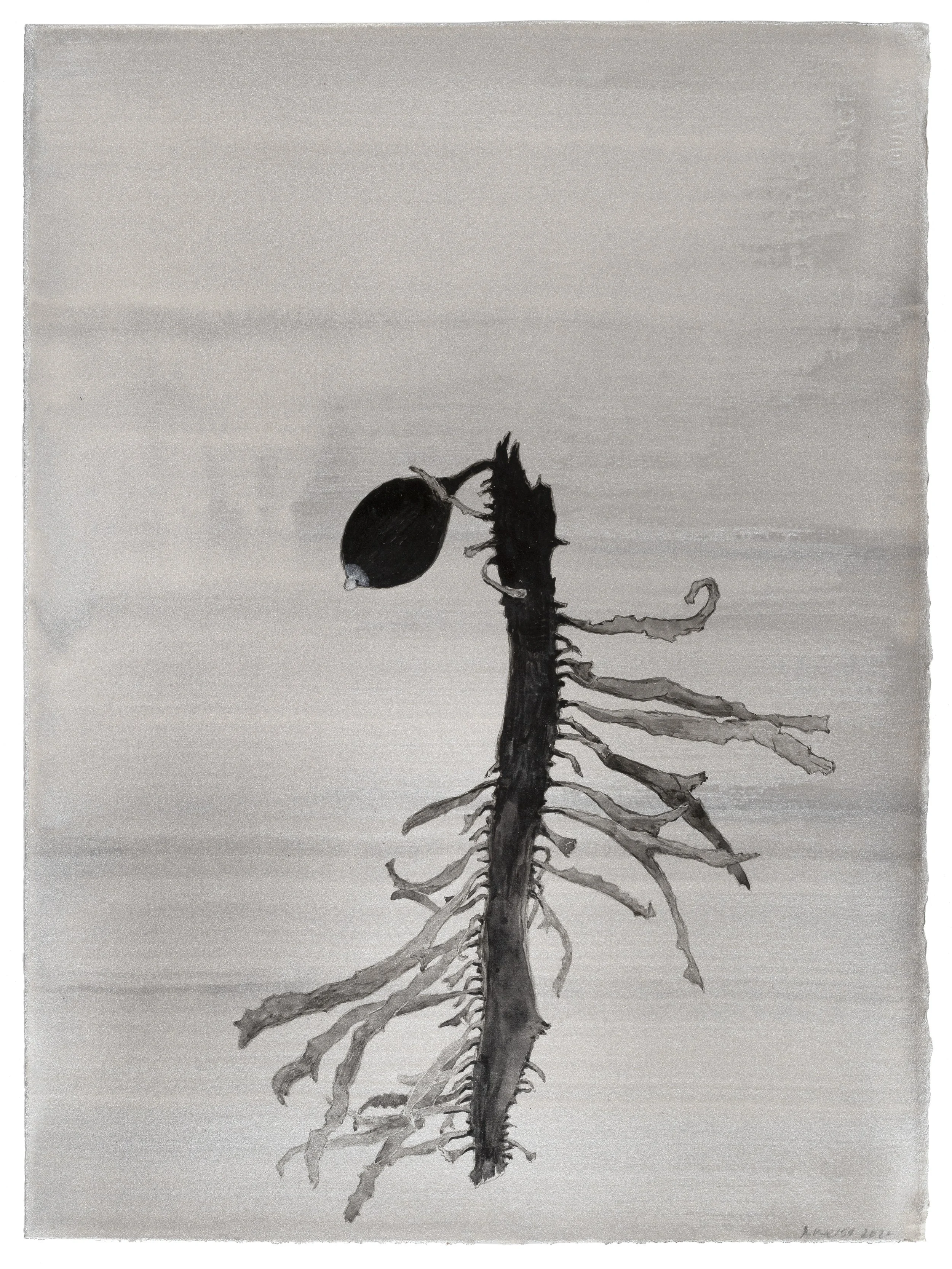
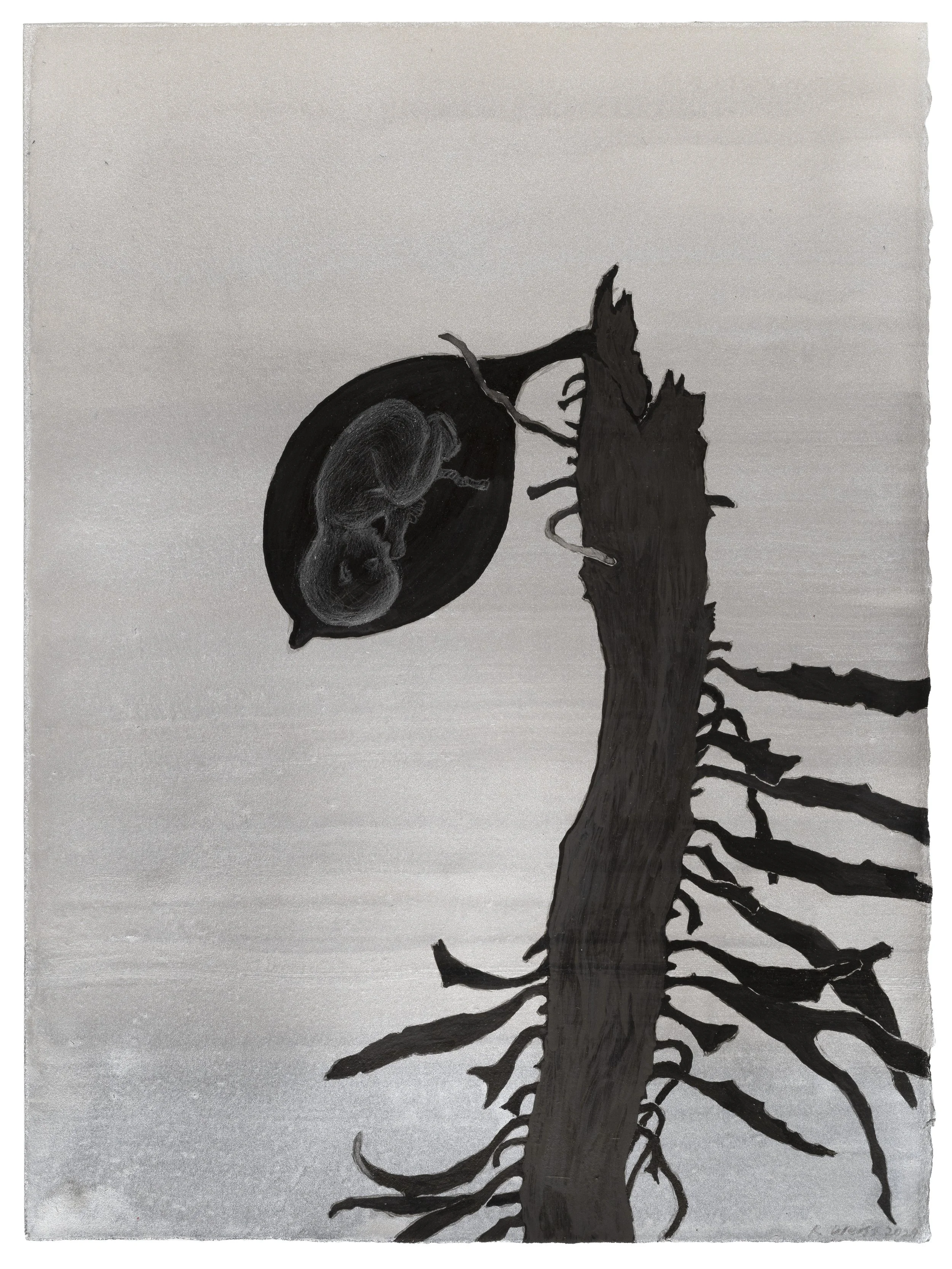
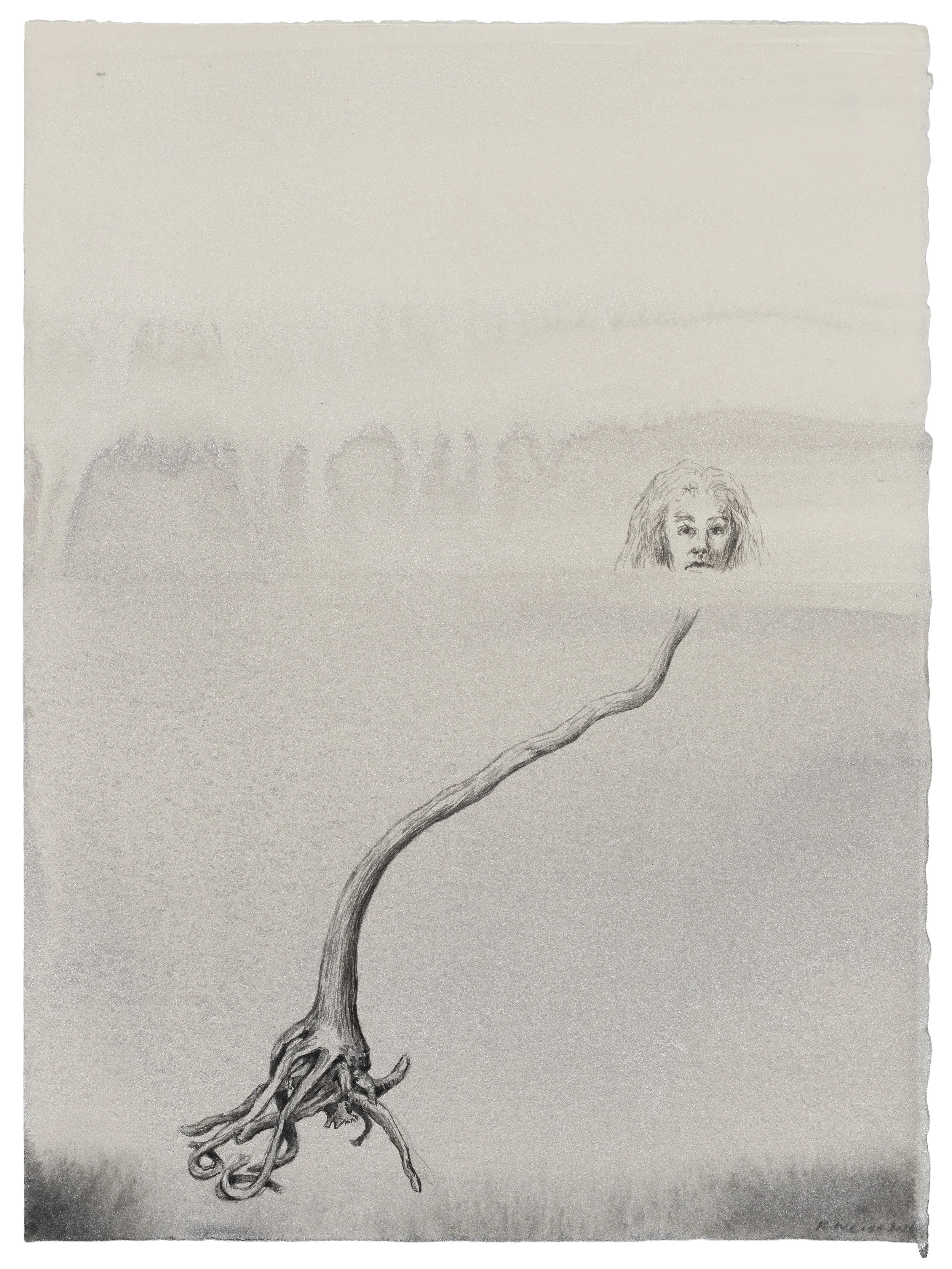
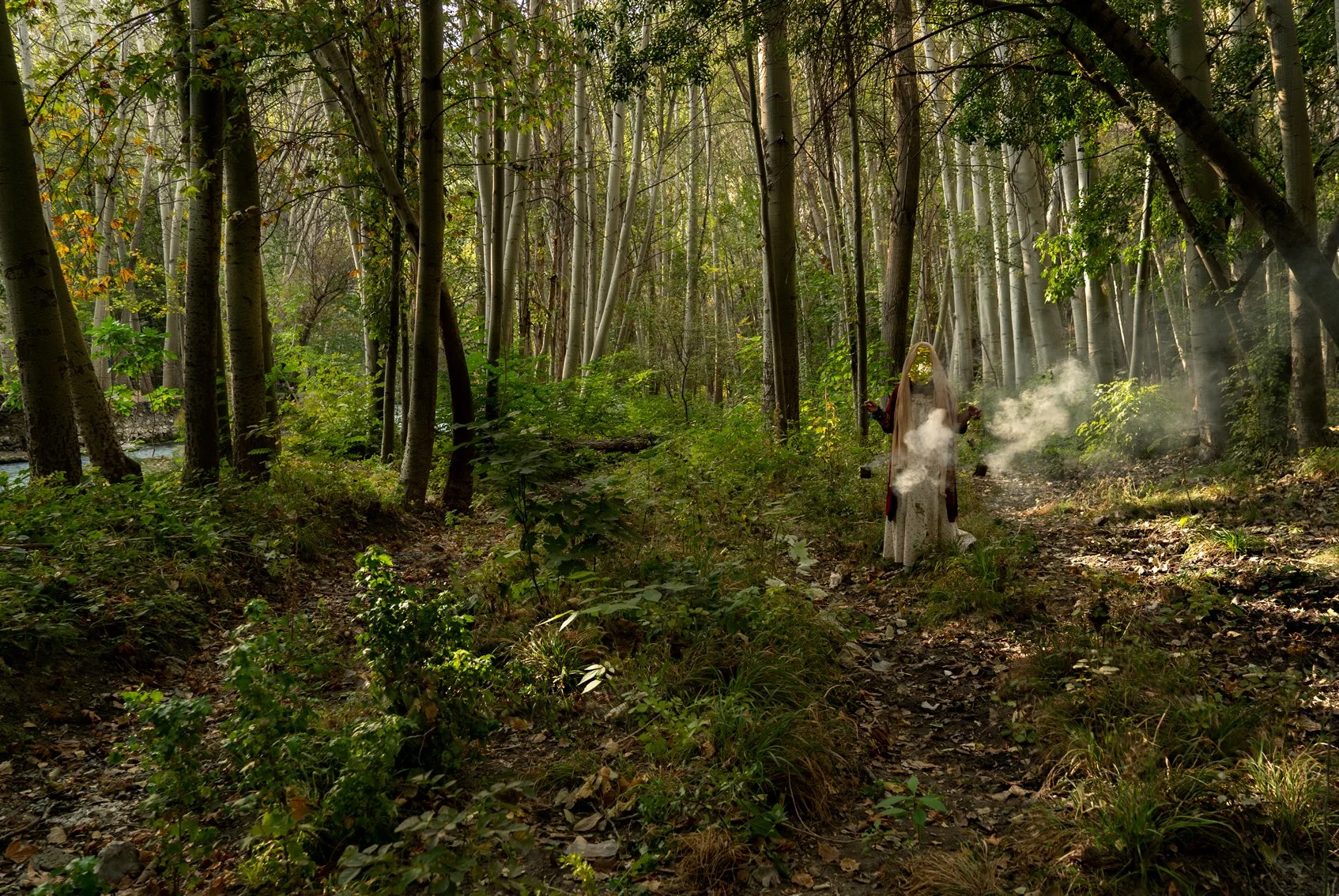
So begins Rhett Davis’ new book, Arborescence. In the novel, Davis puts forward the idea of humans choosing to stand still so they can turn into trees. The term he uses to describe this phenomenon is aborescence. An unsettling and somewhat mind-bending idea, one which in these times of climate crisis and out of control capitalism, conjures up a multitude of reasons why it doesn’t seem like a bad idea. As a character in the book who chooses the path to aborescent explains,
‘ There’s so much that’s wrong … Imagine how much good I can do. I can help the earth heal. I can be part of the solution, not the problem.’ p237
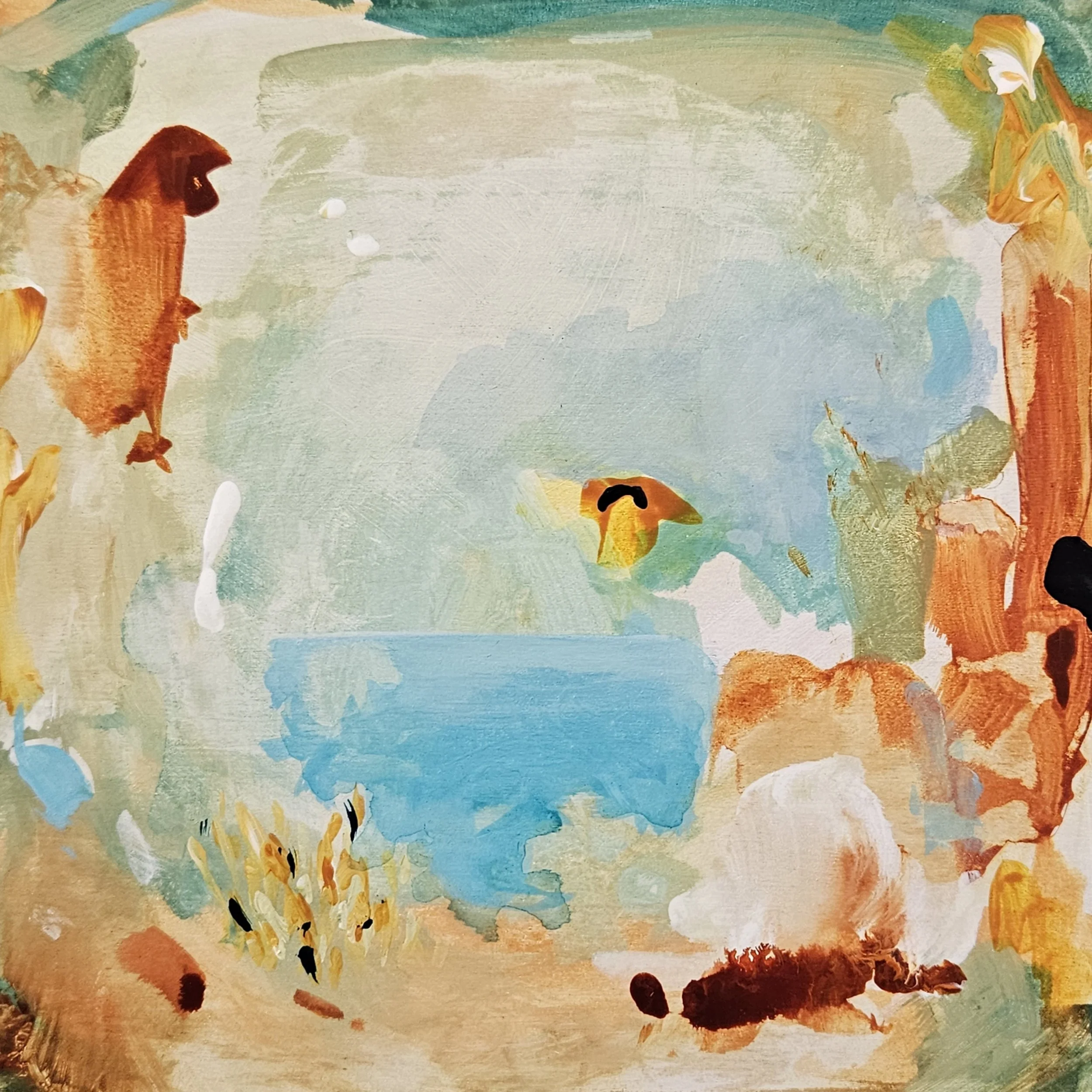
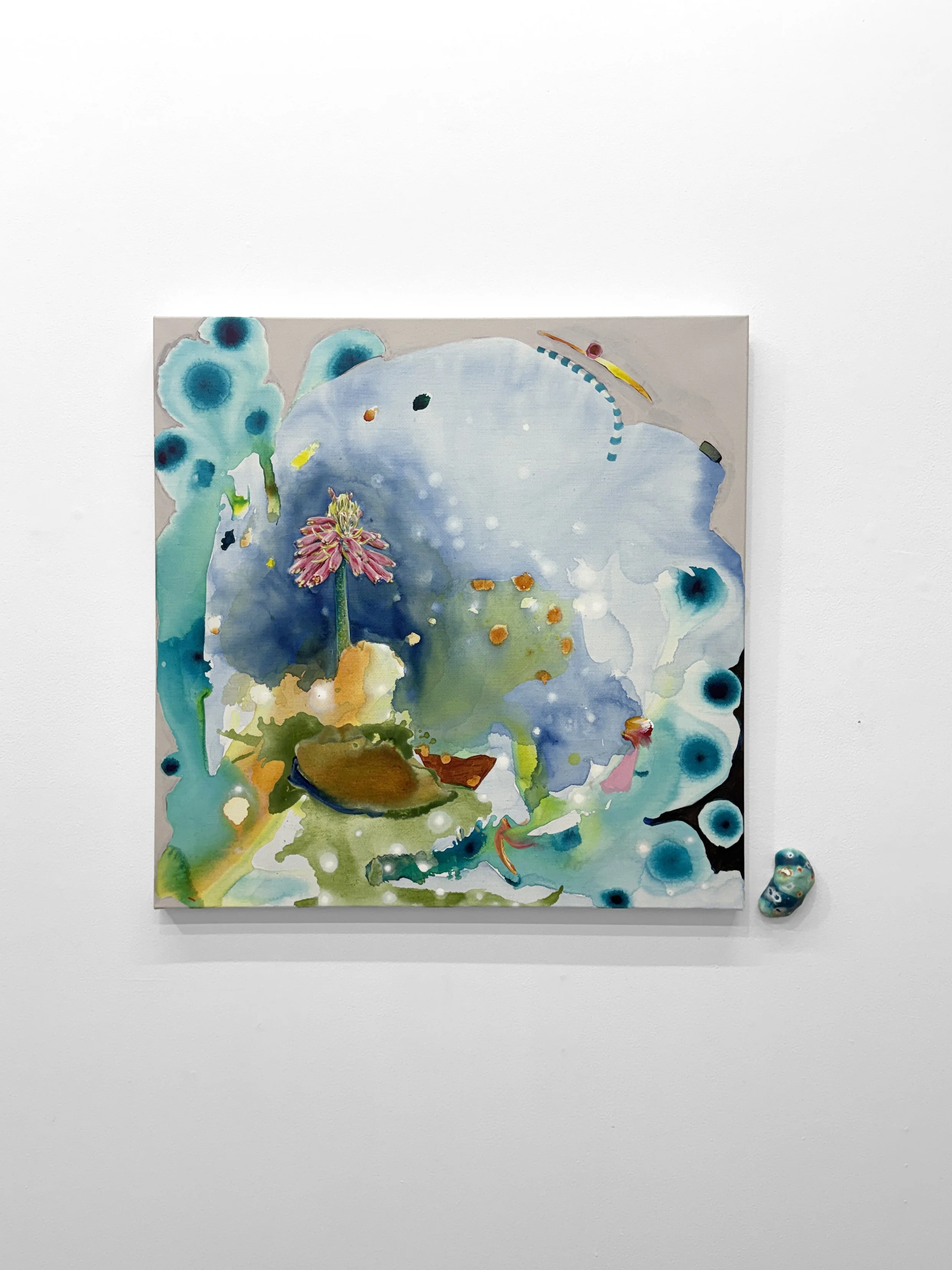
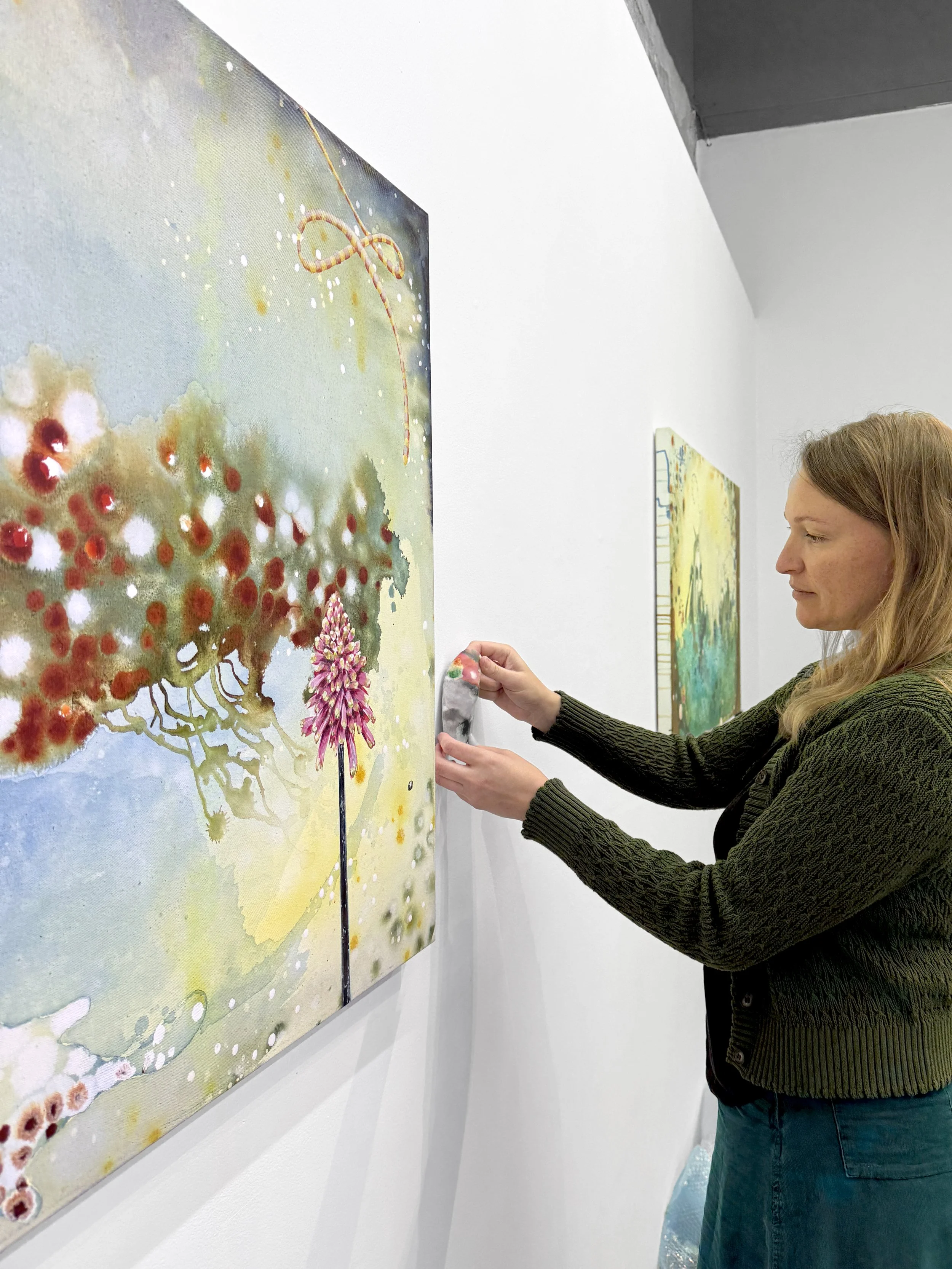
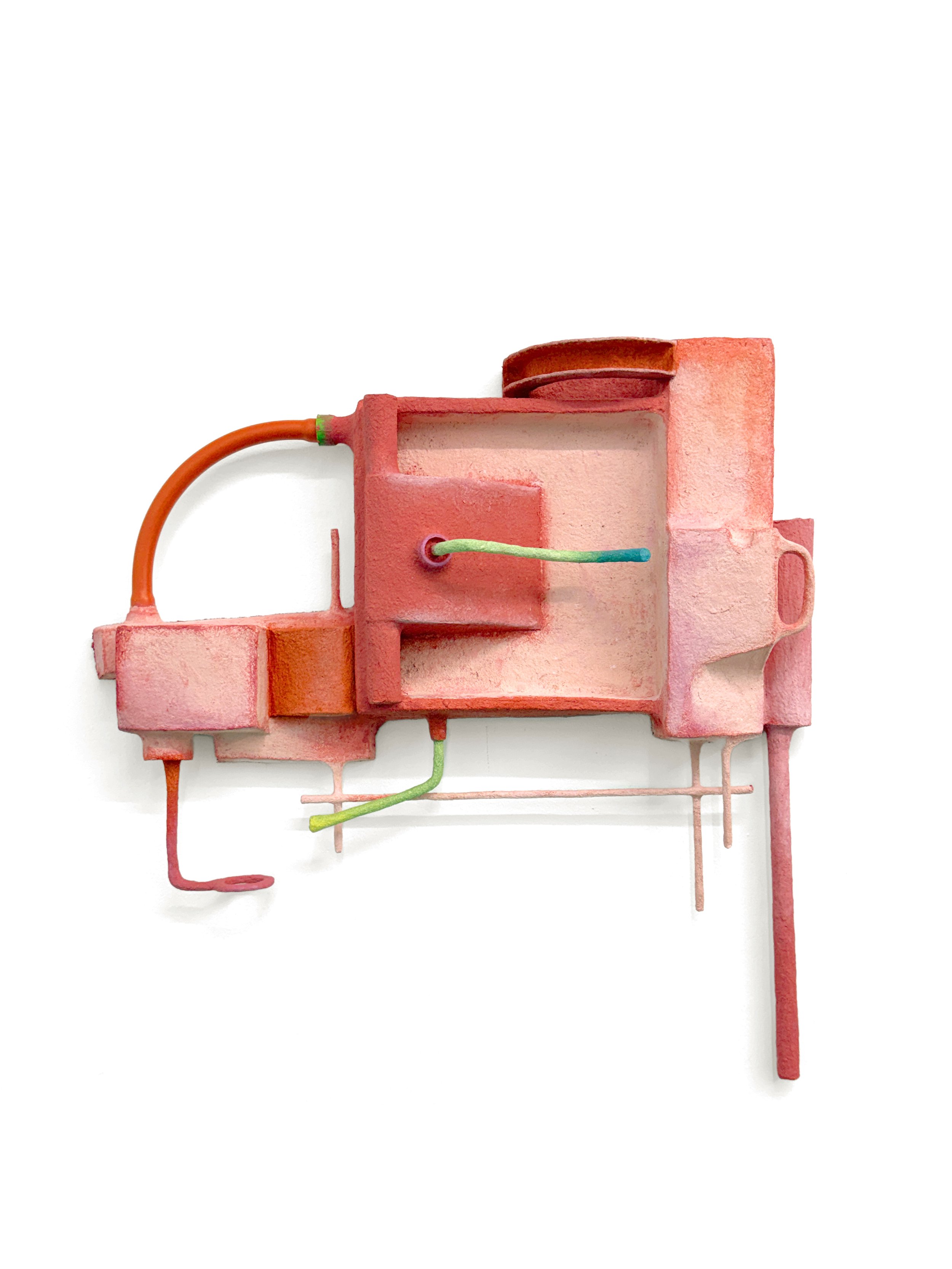
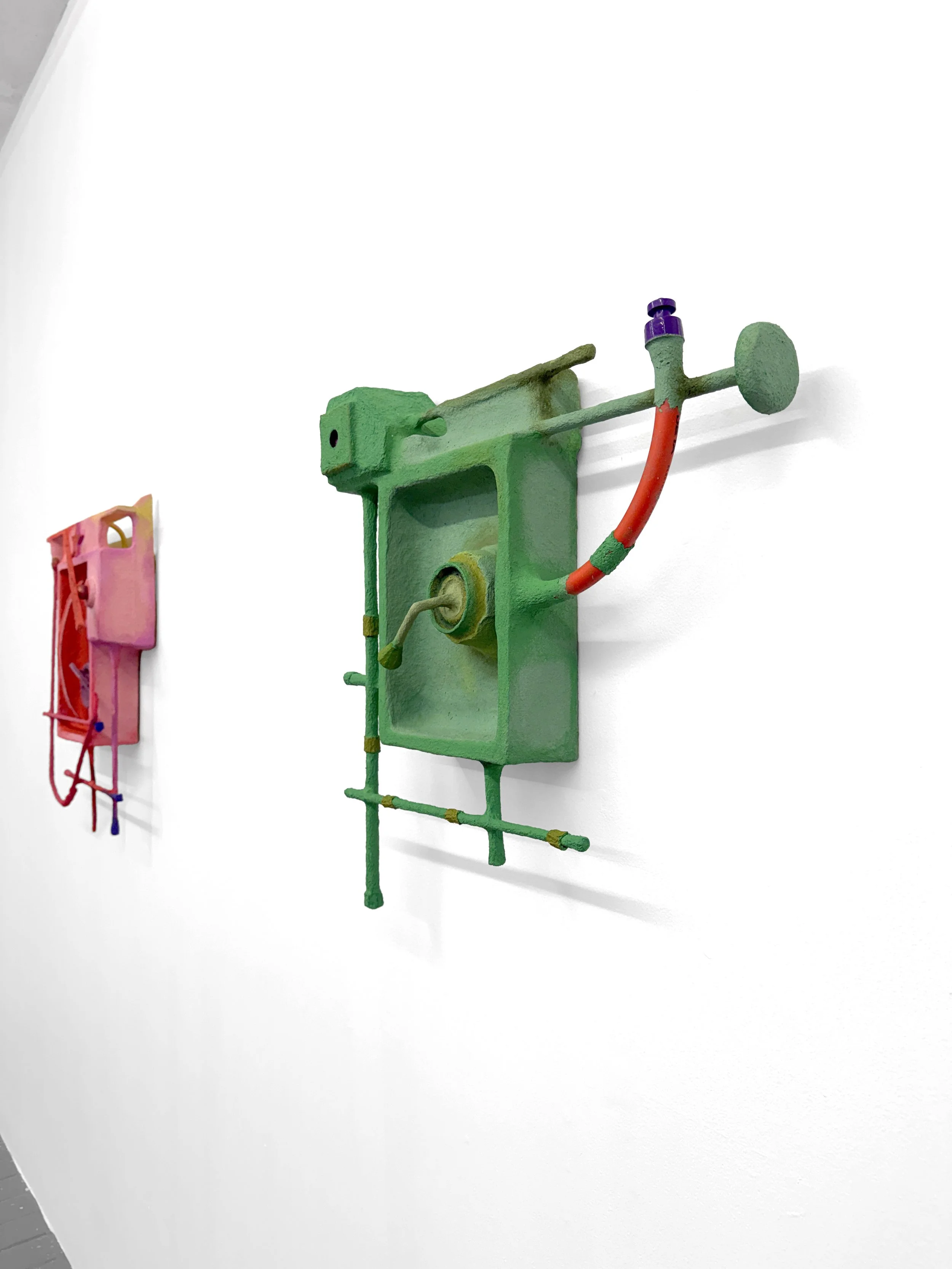
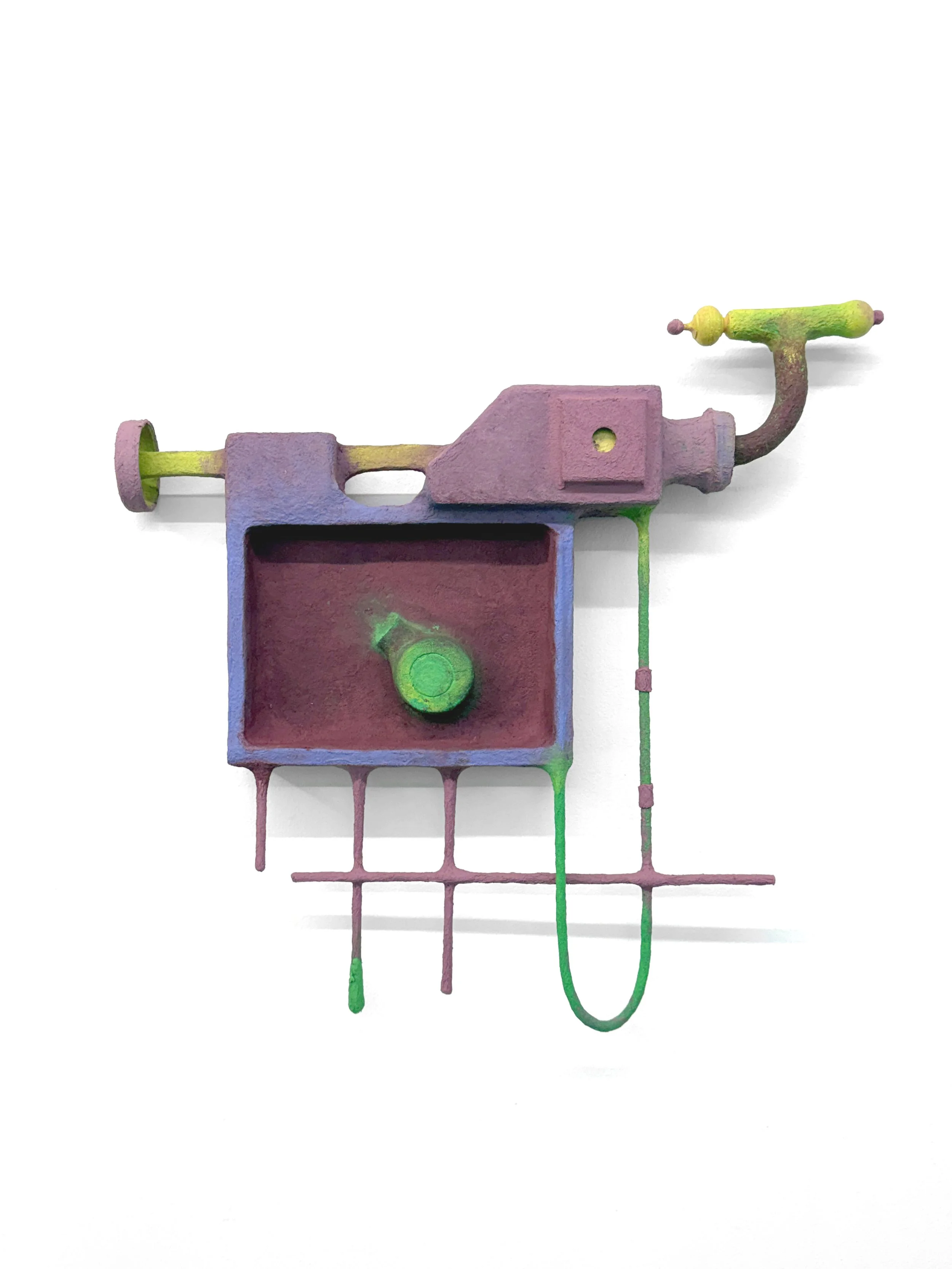
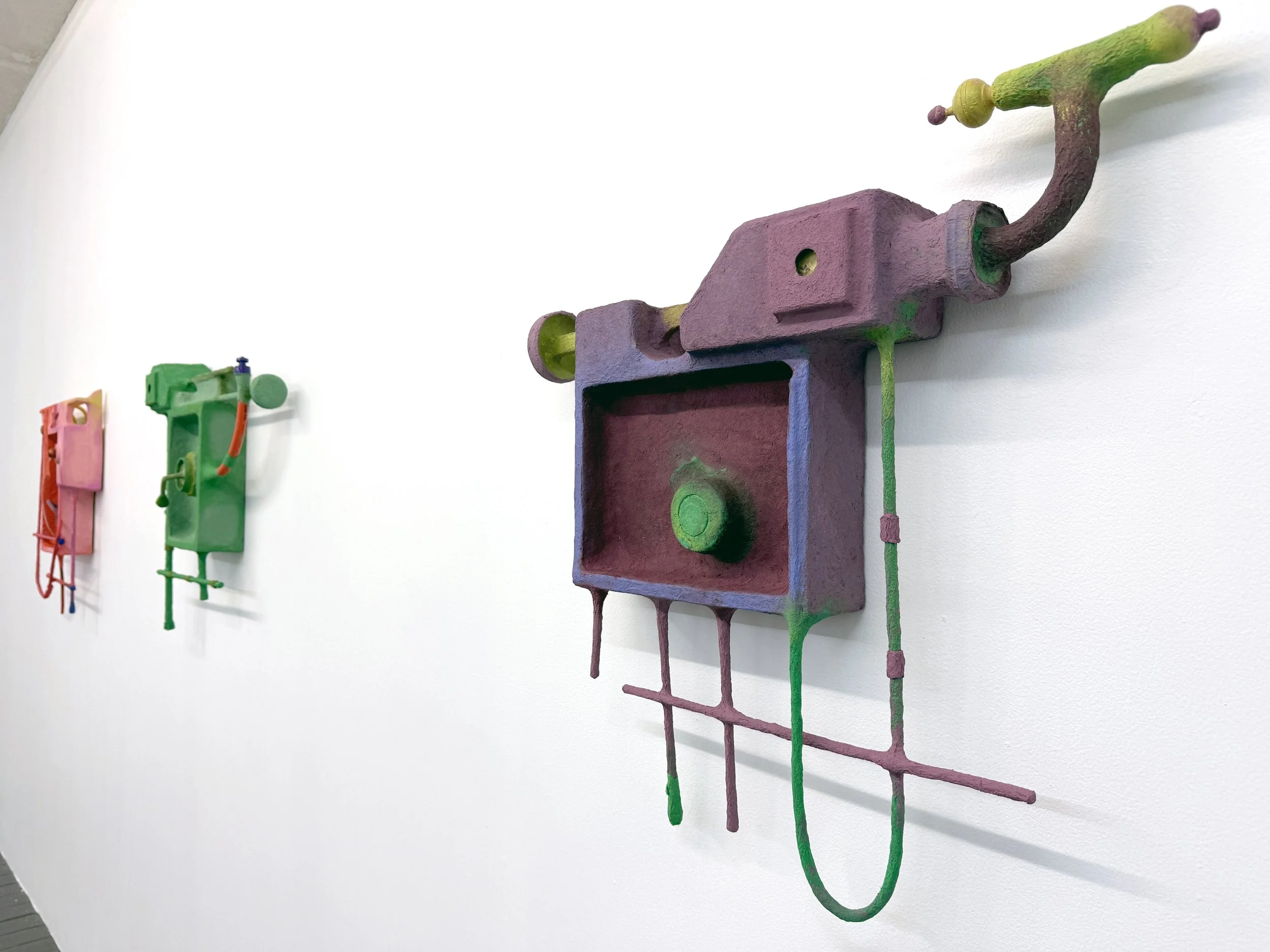
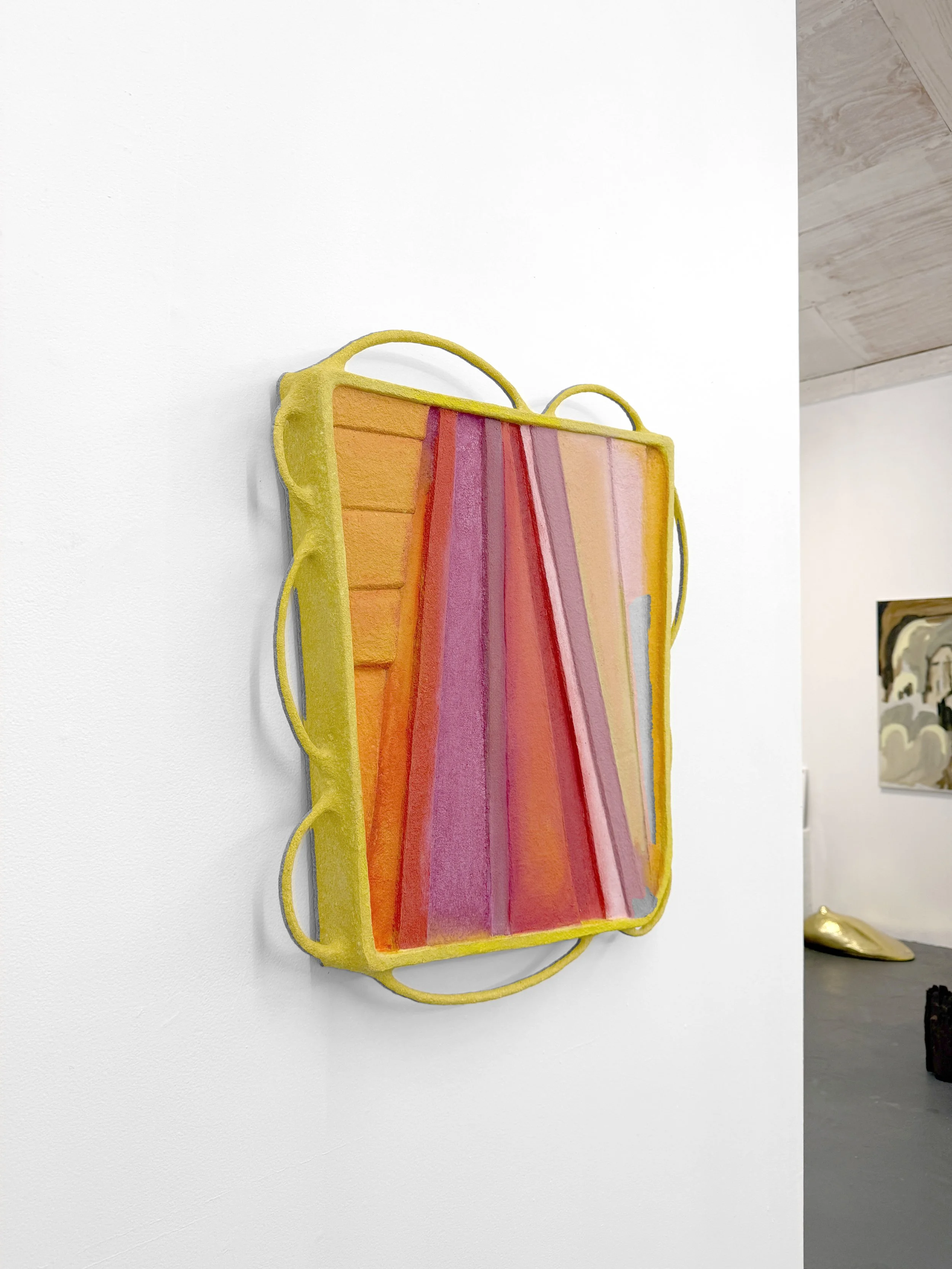
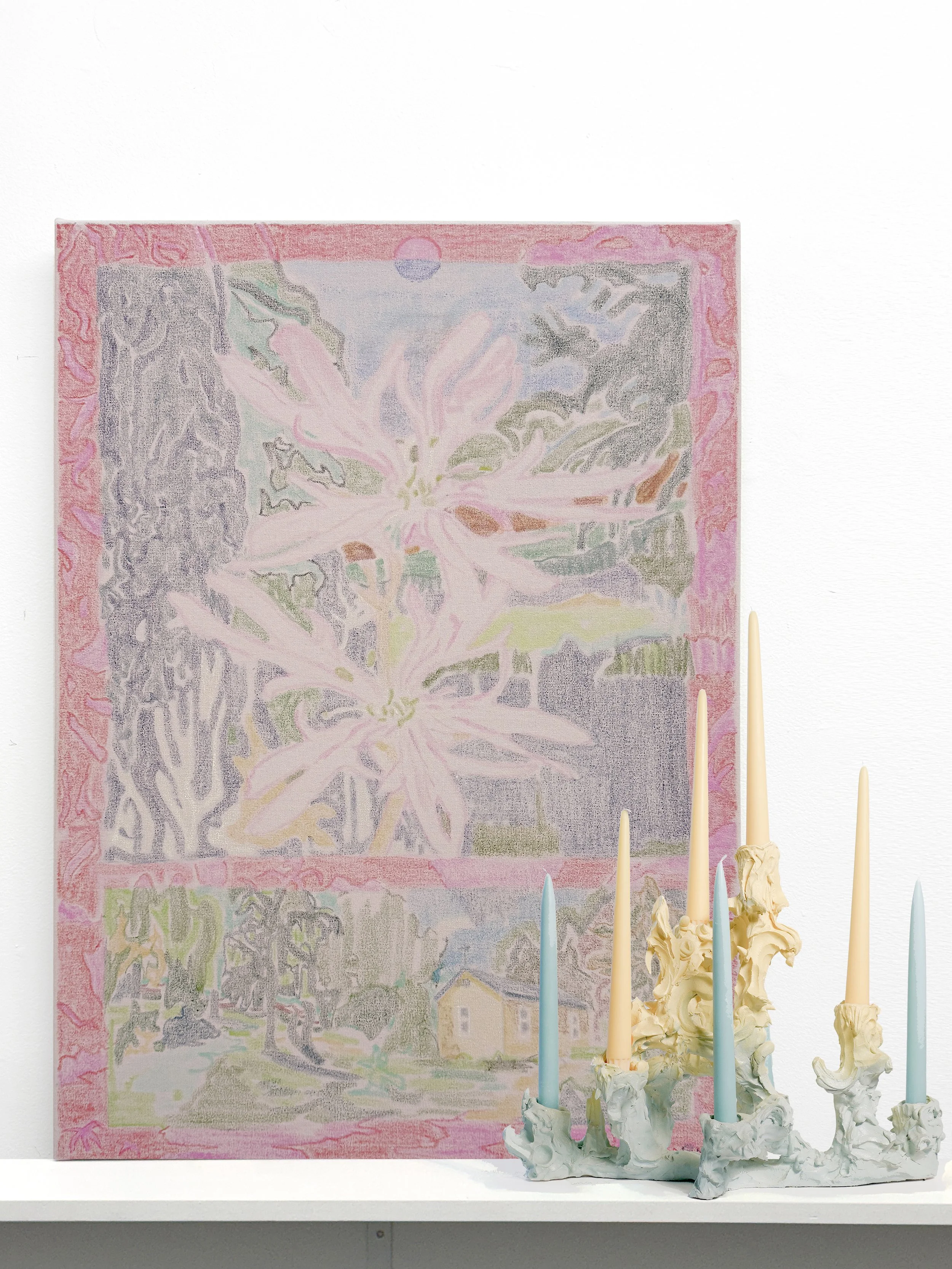
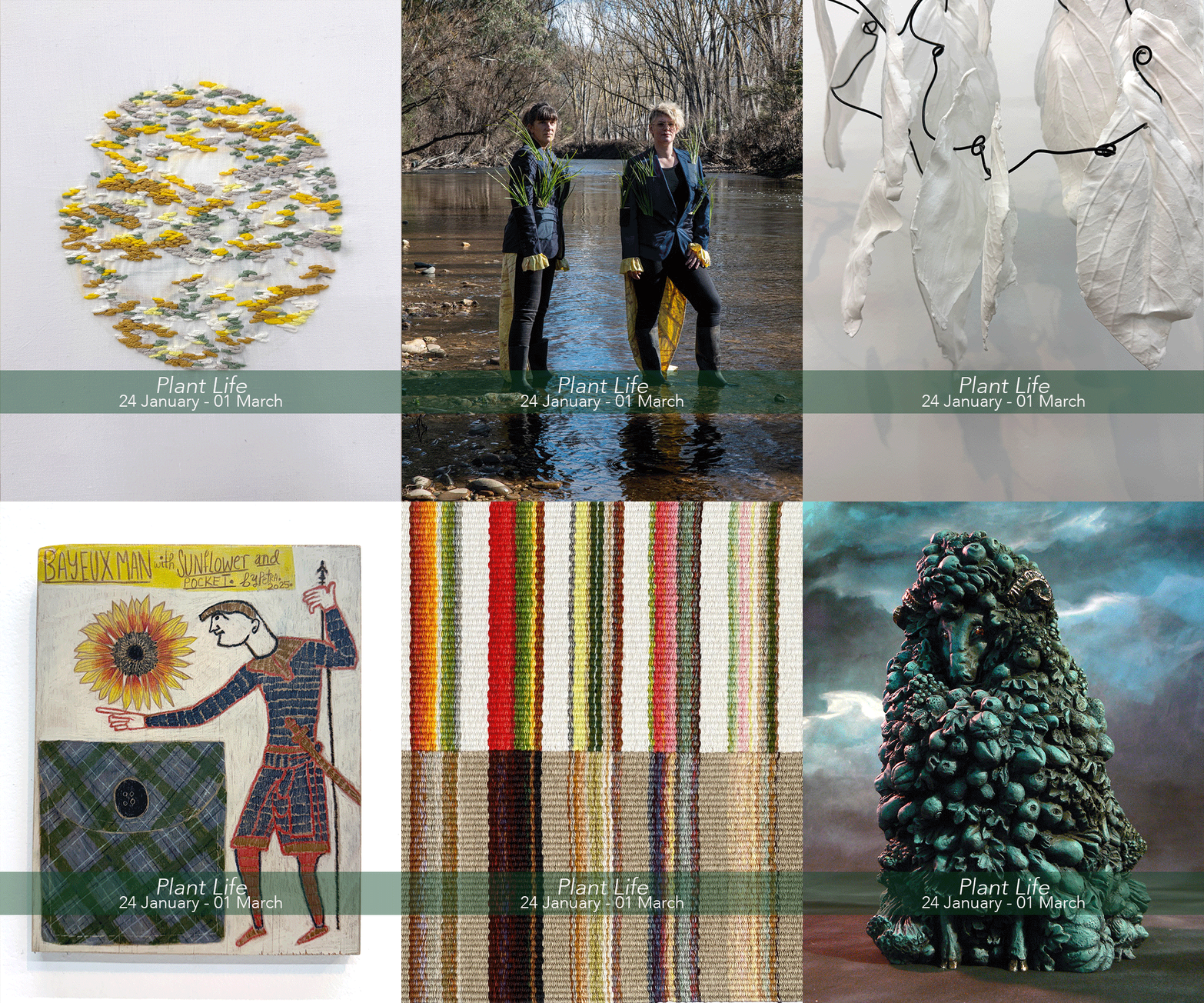
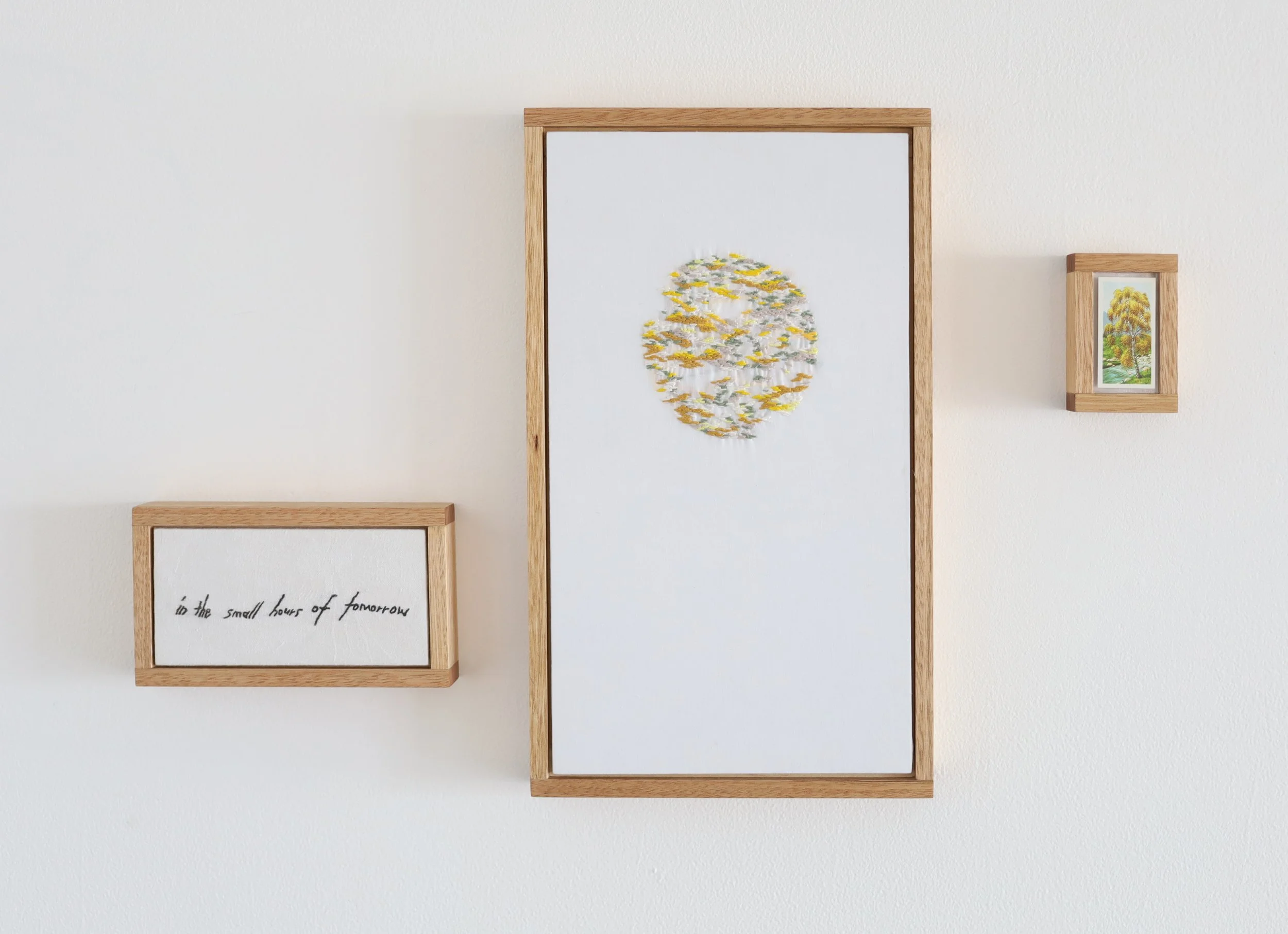
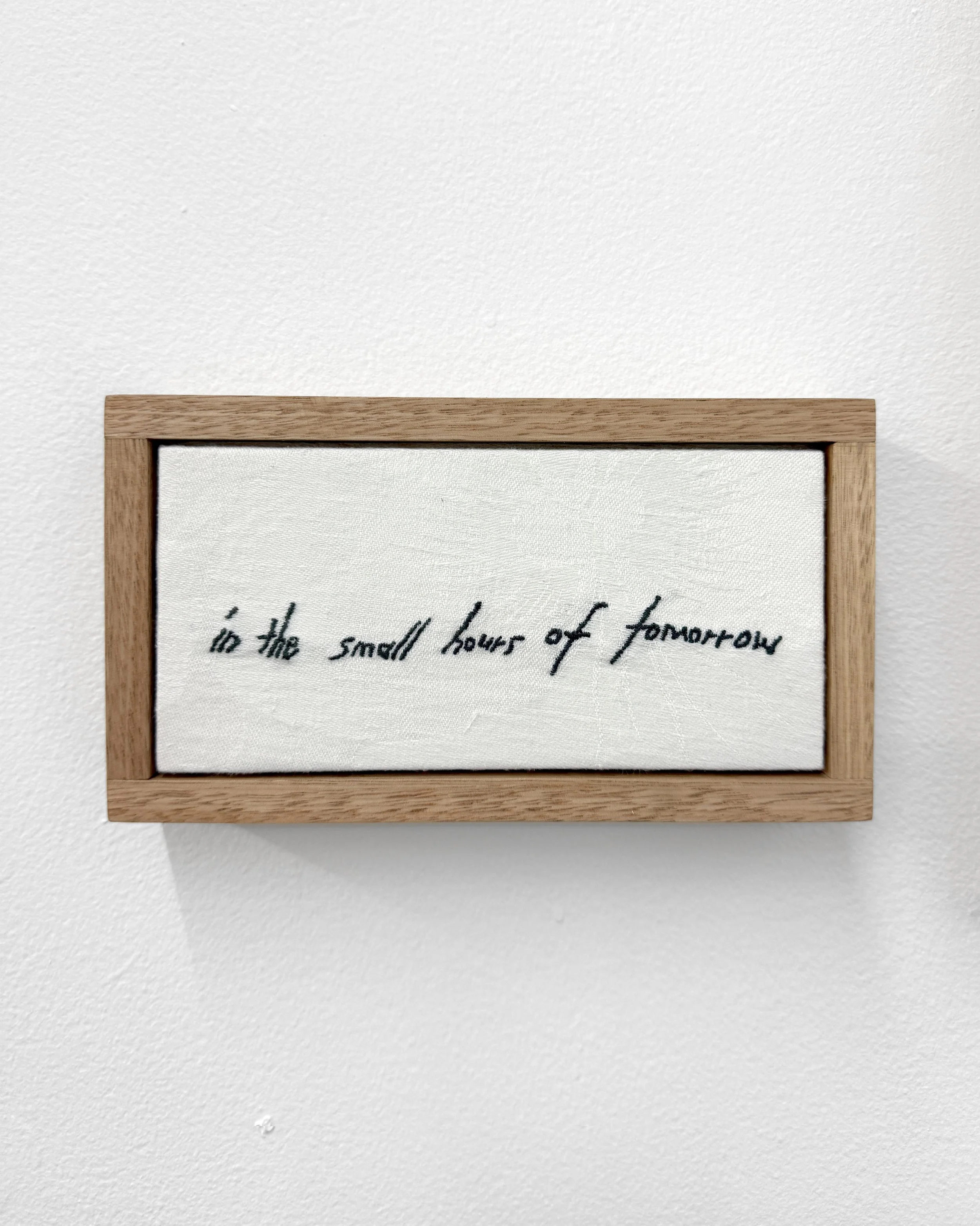
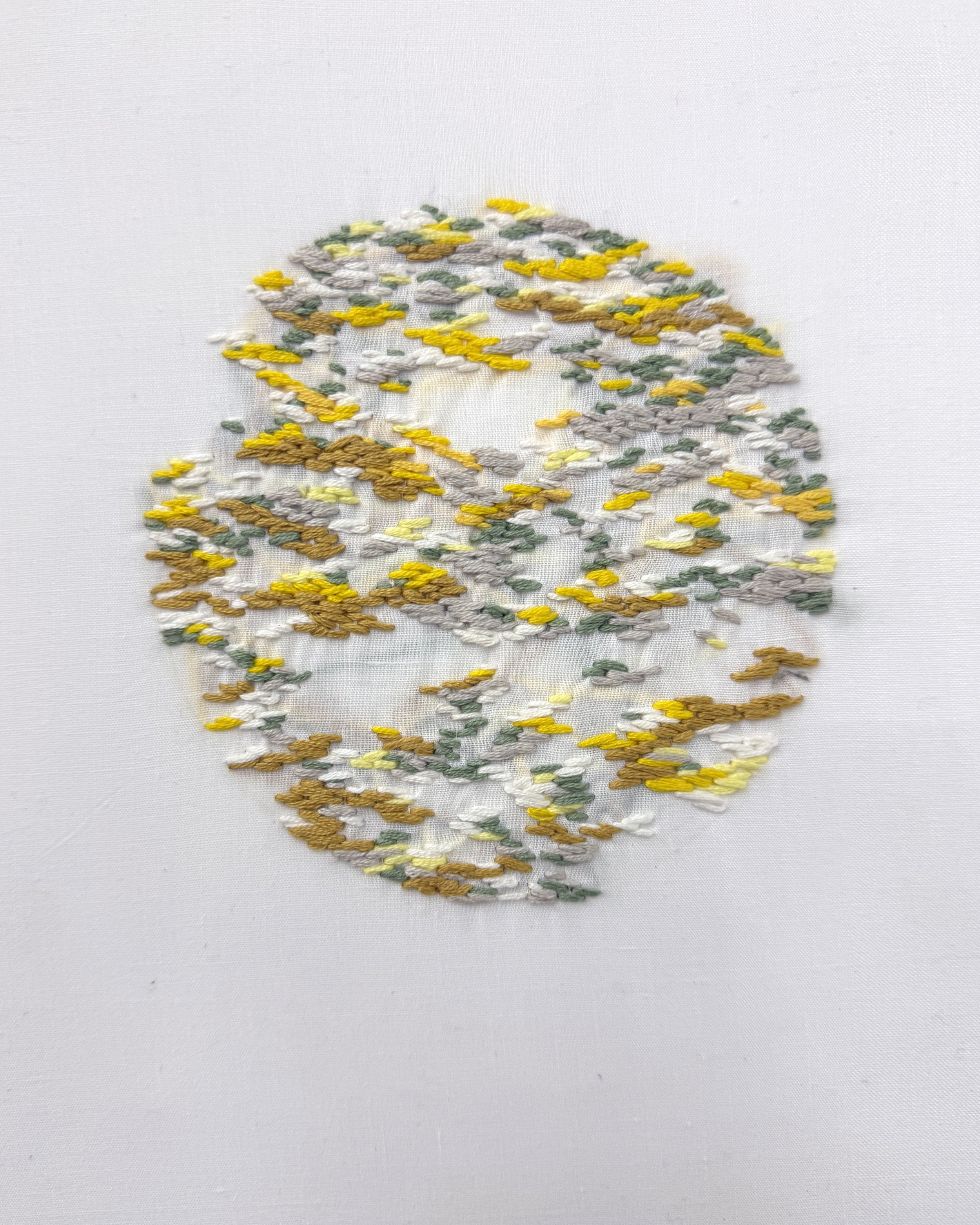
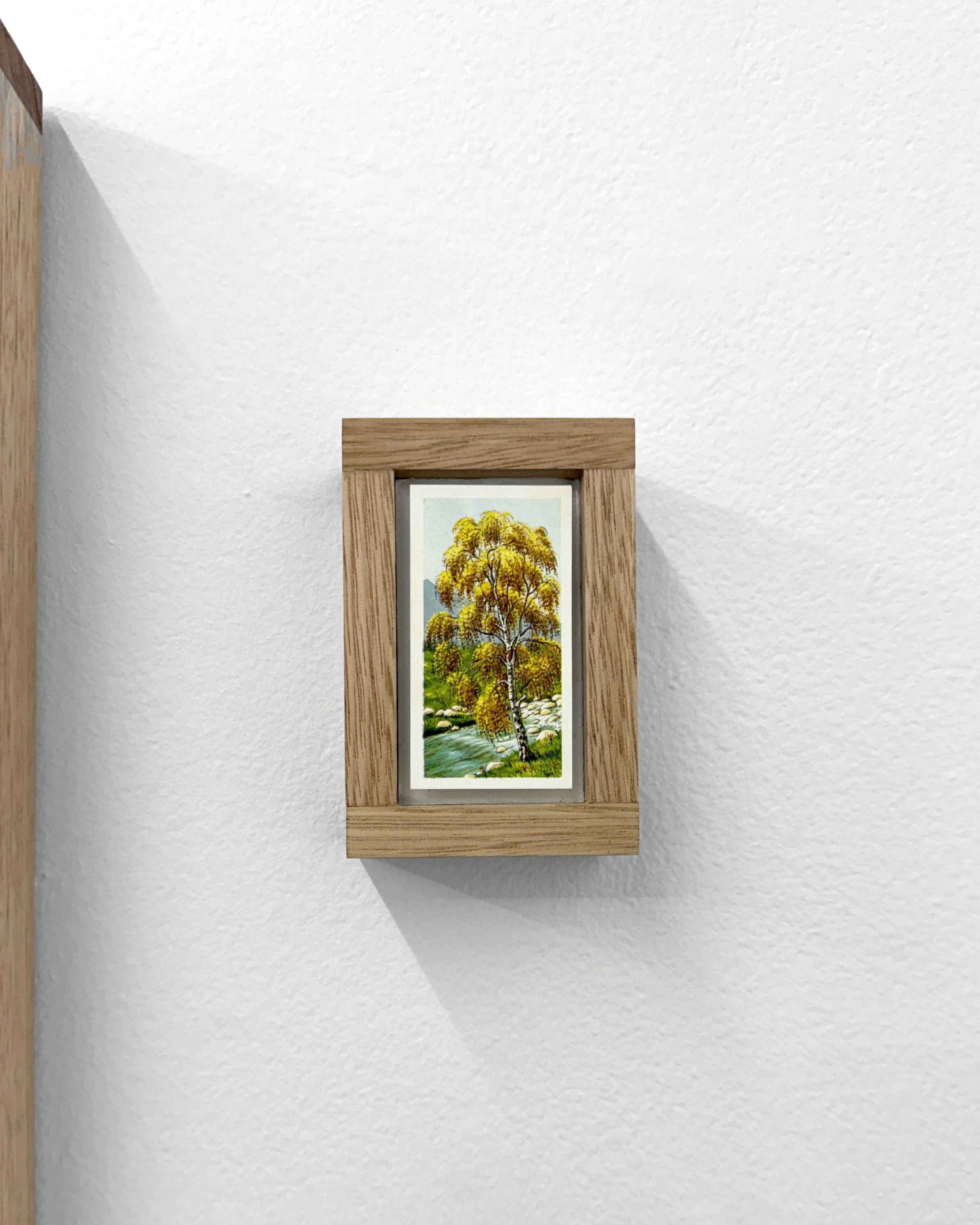
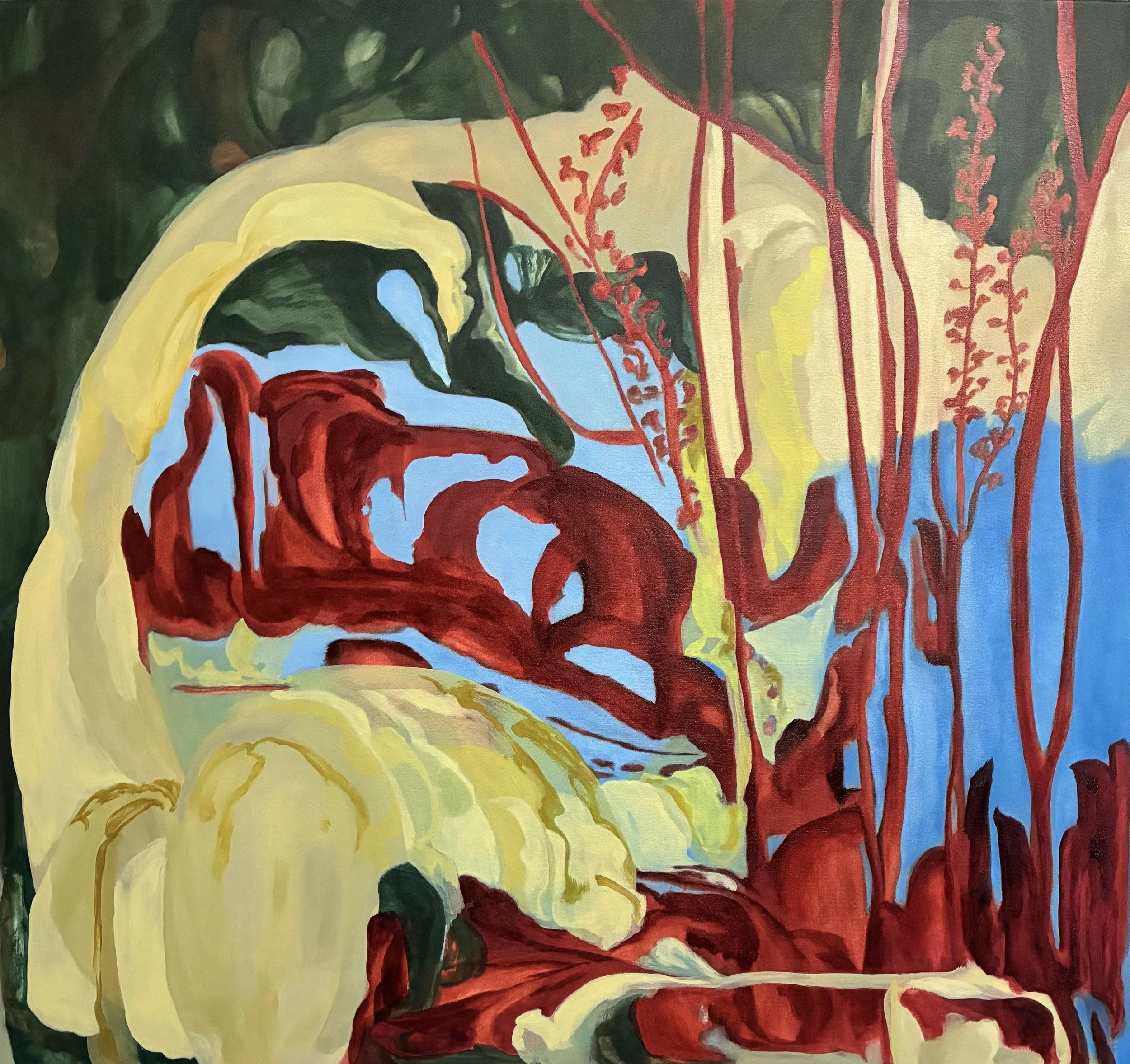
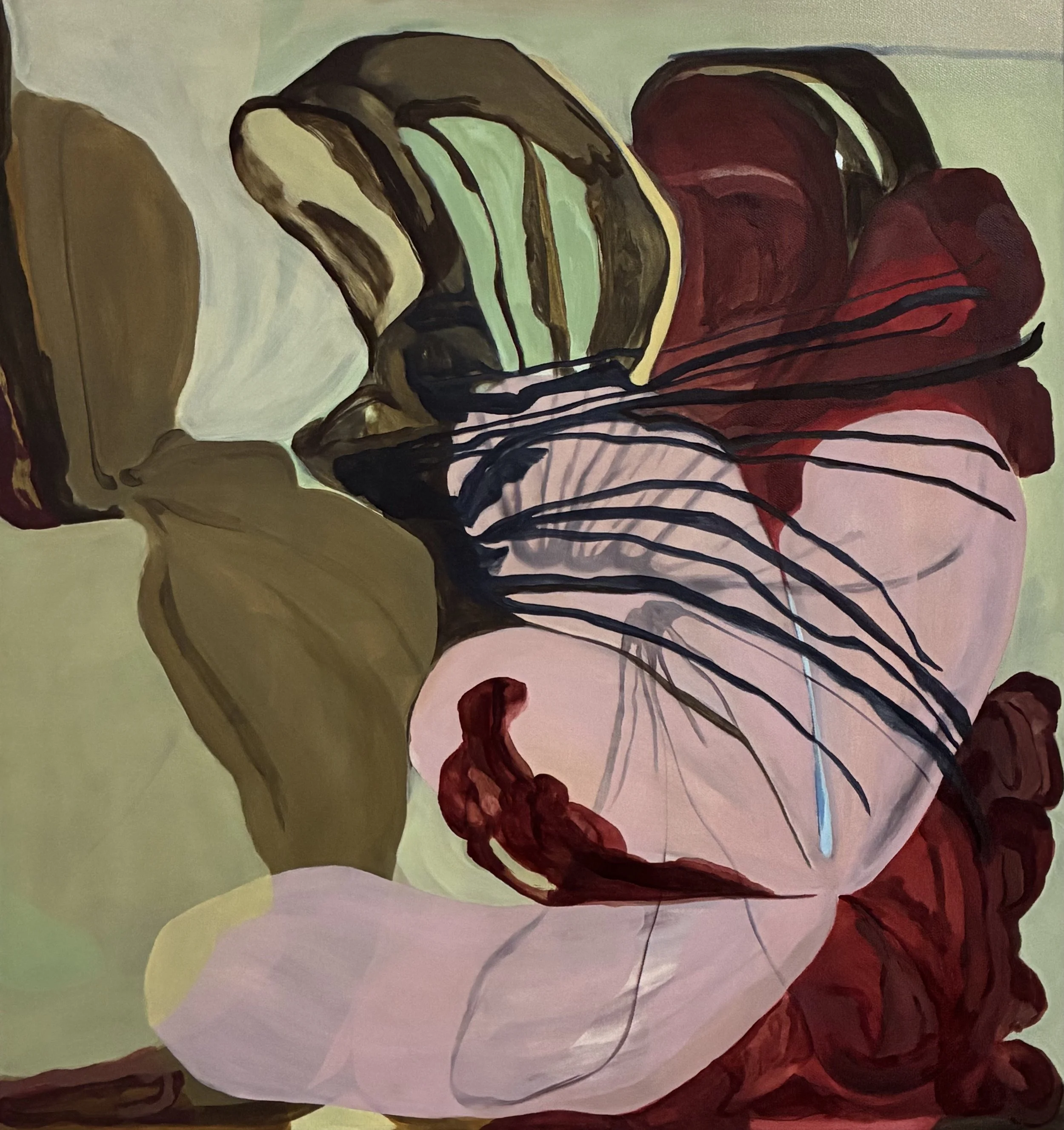
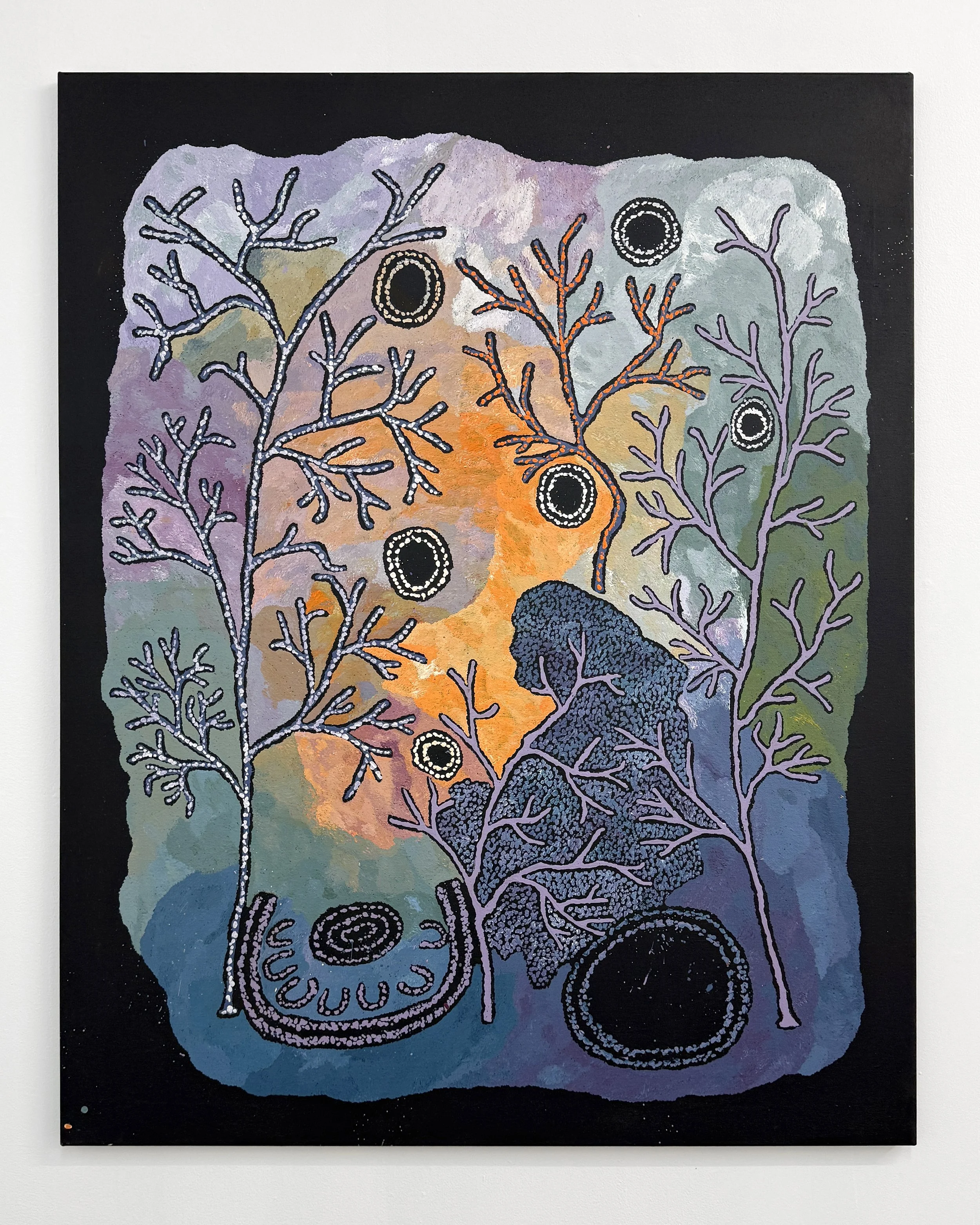
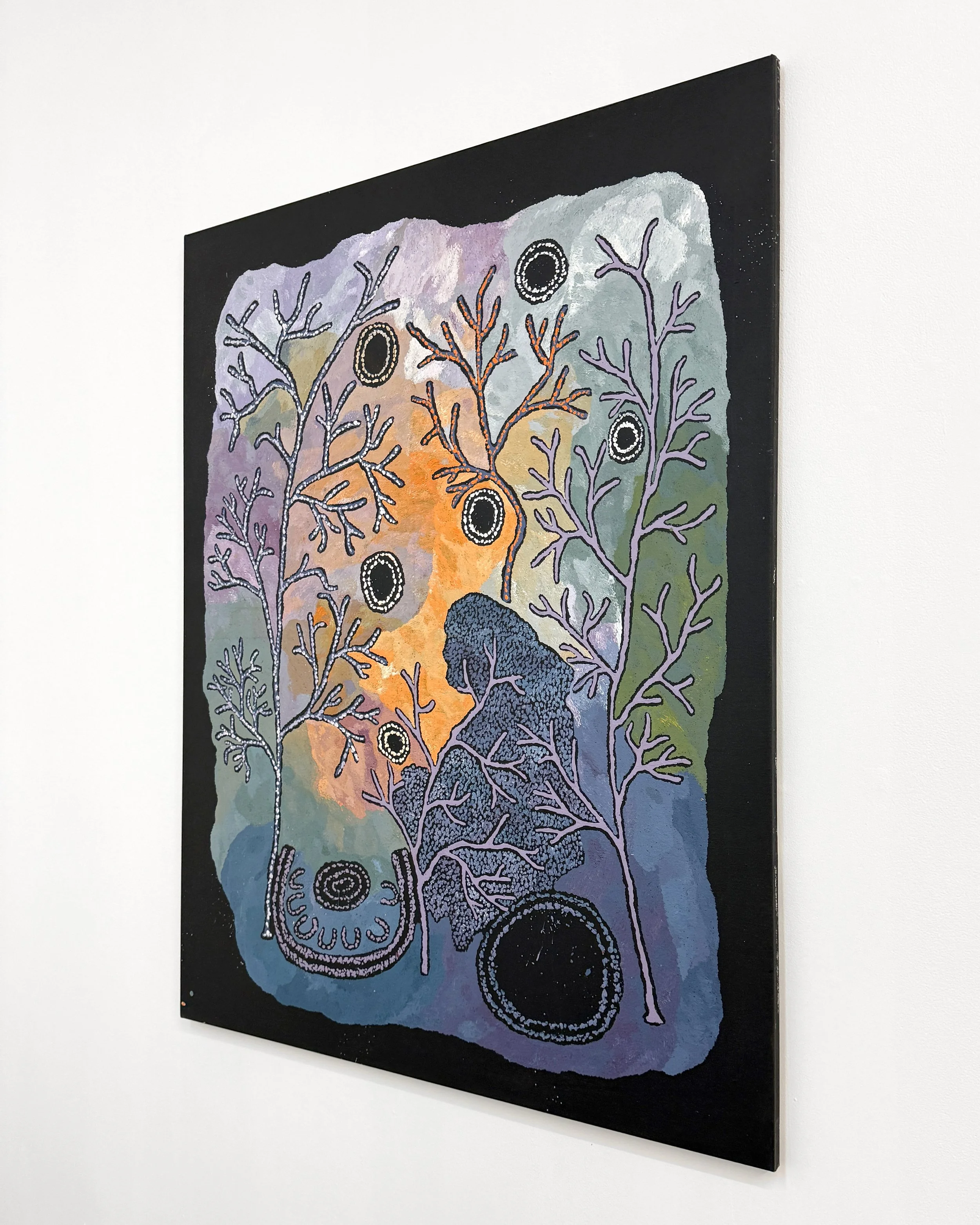
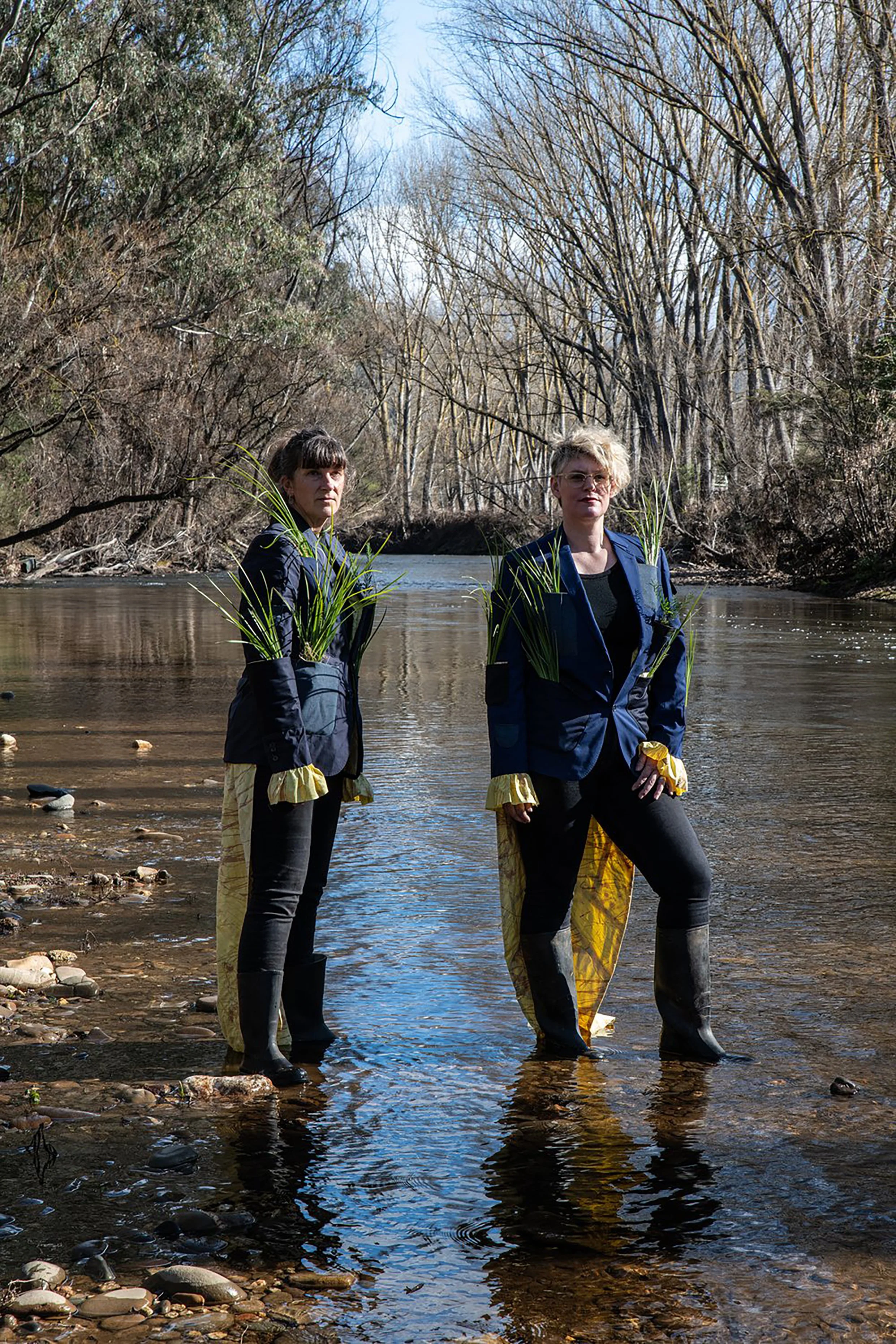
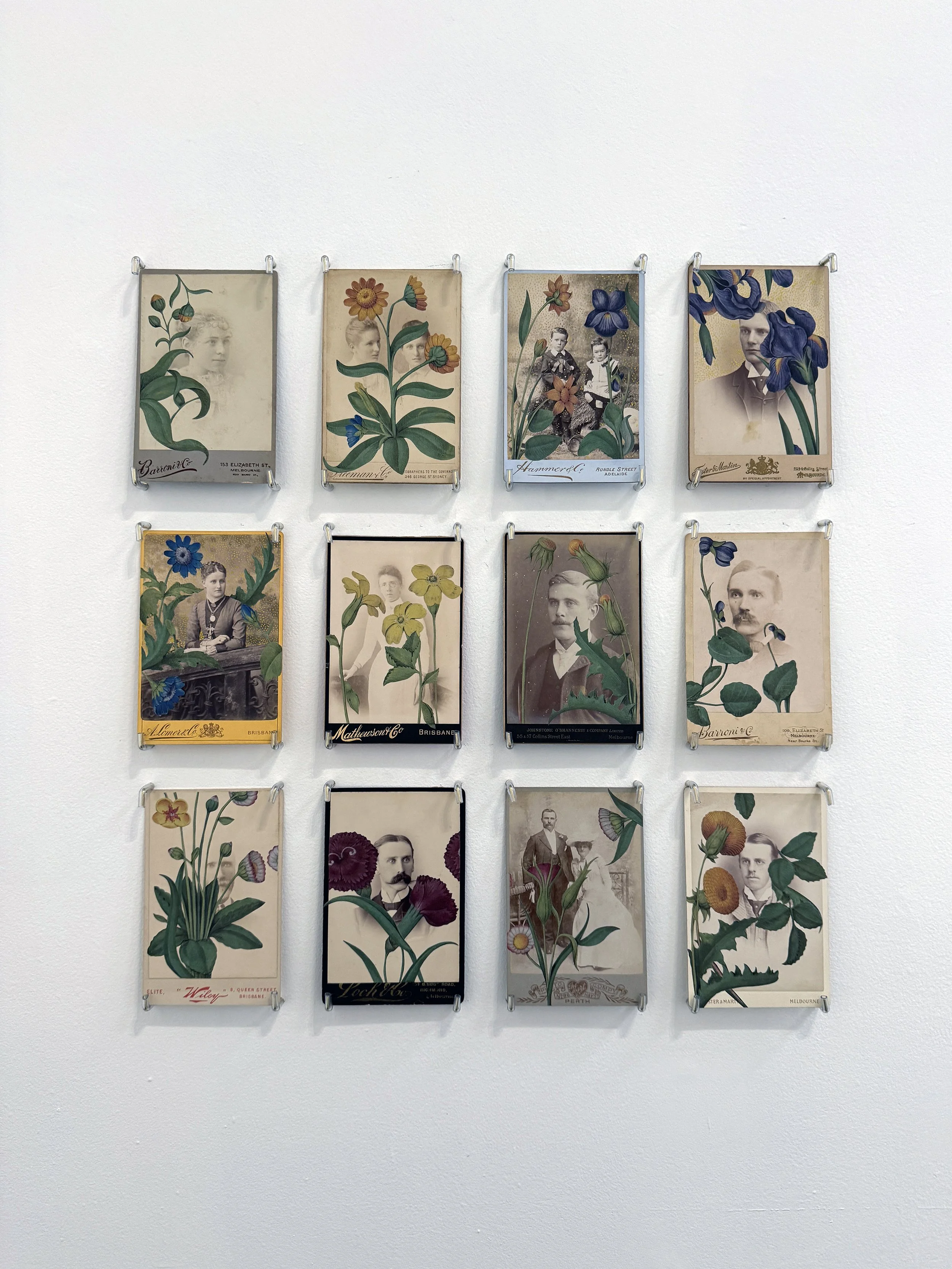
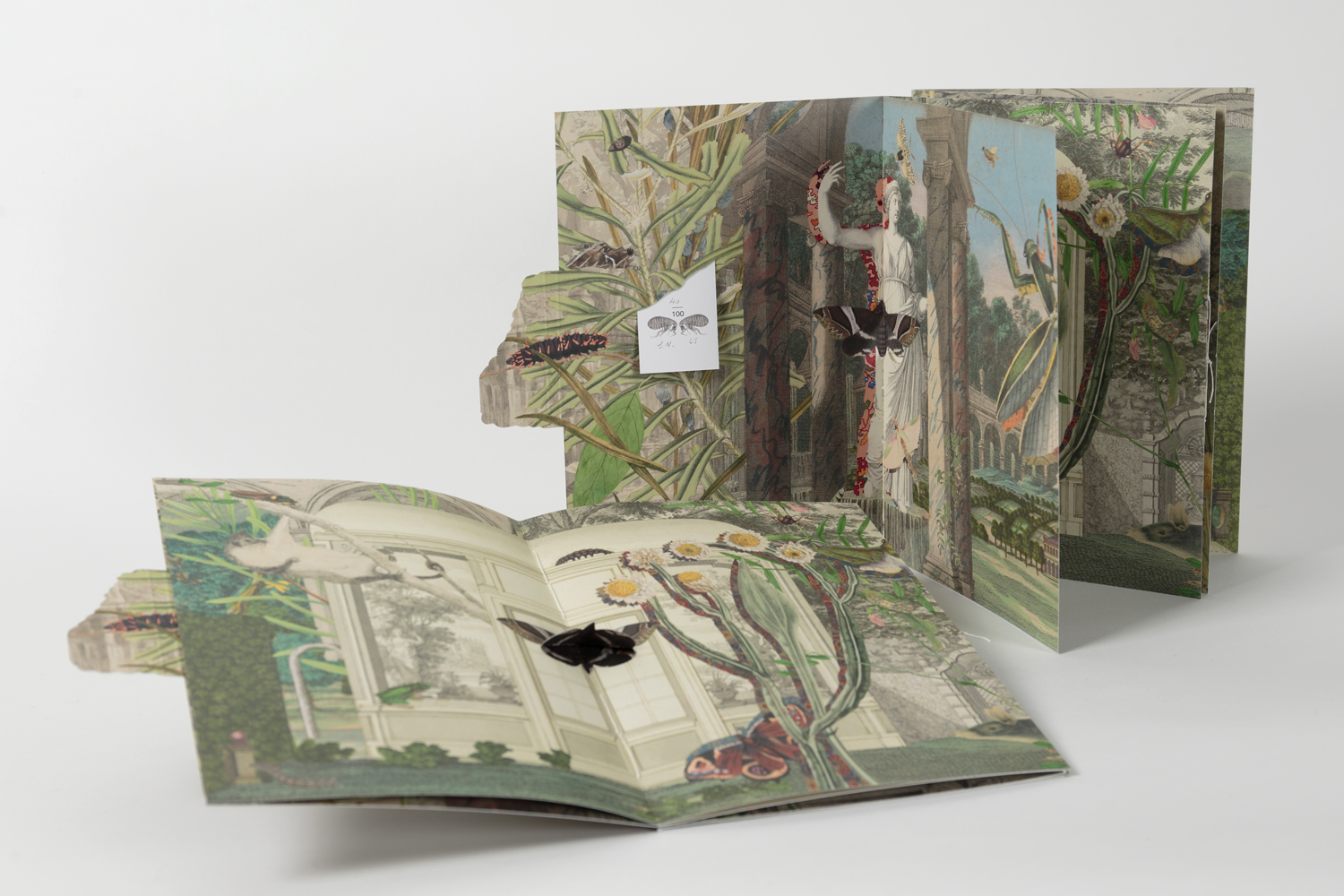
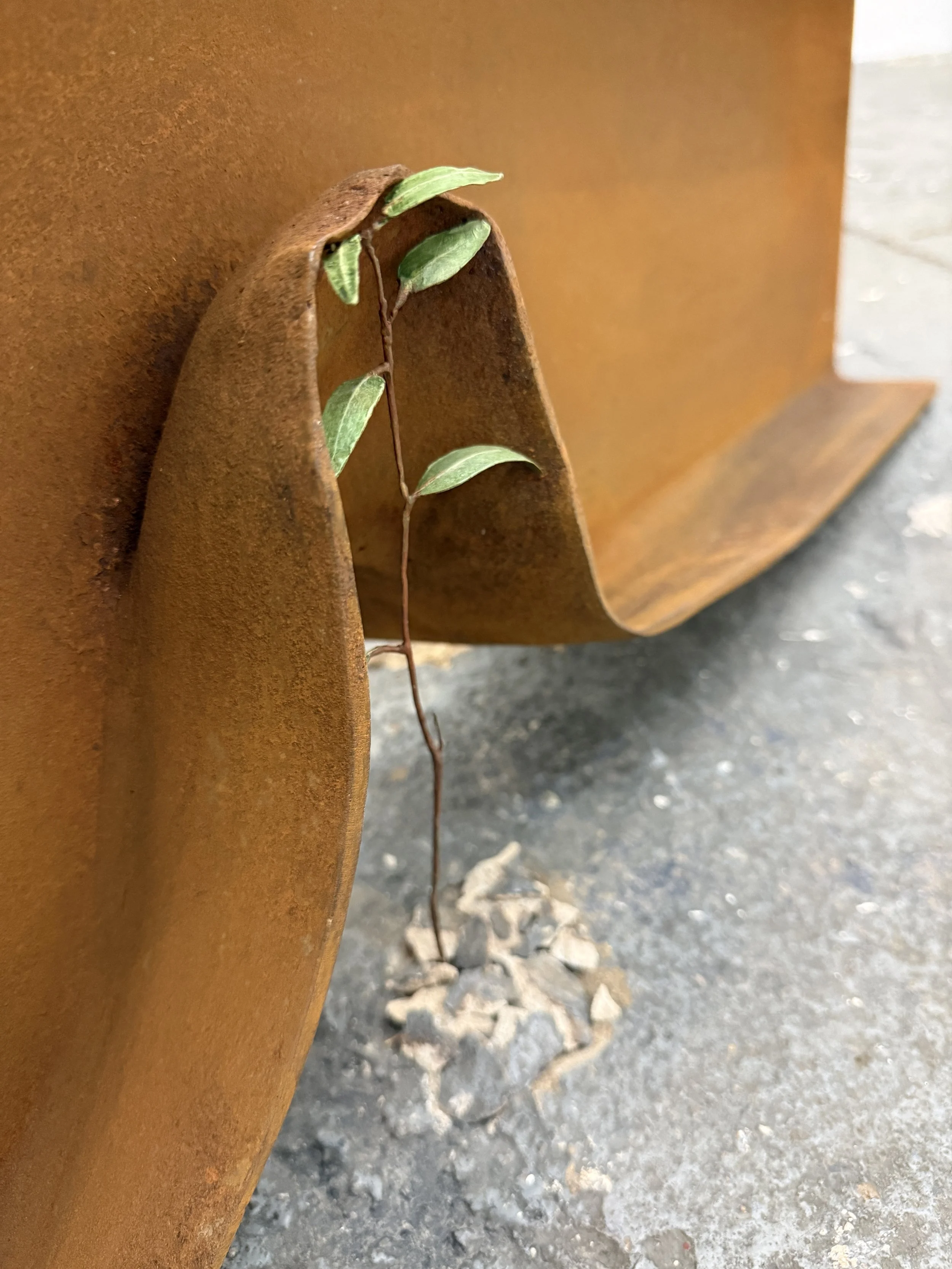
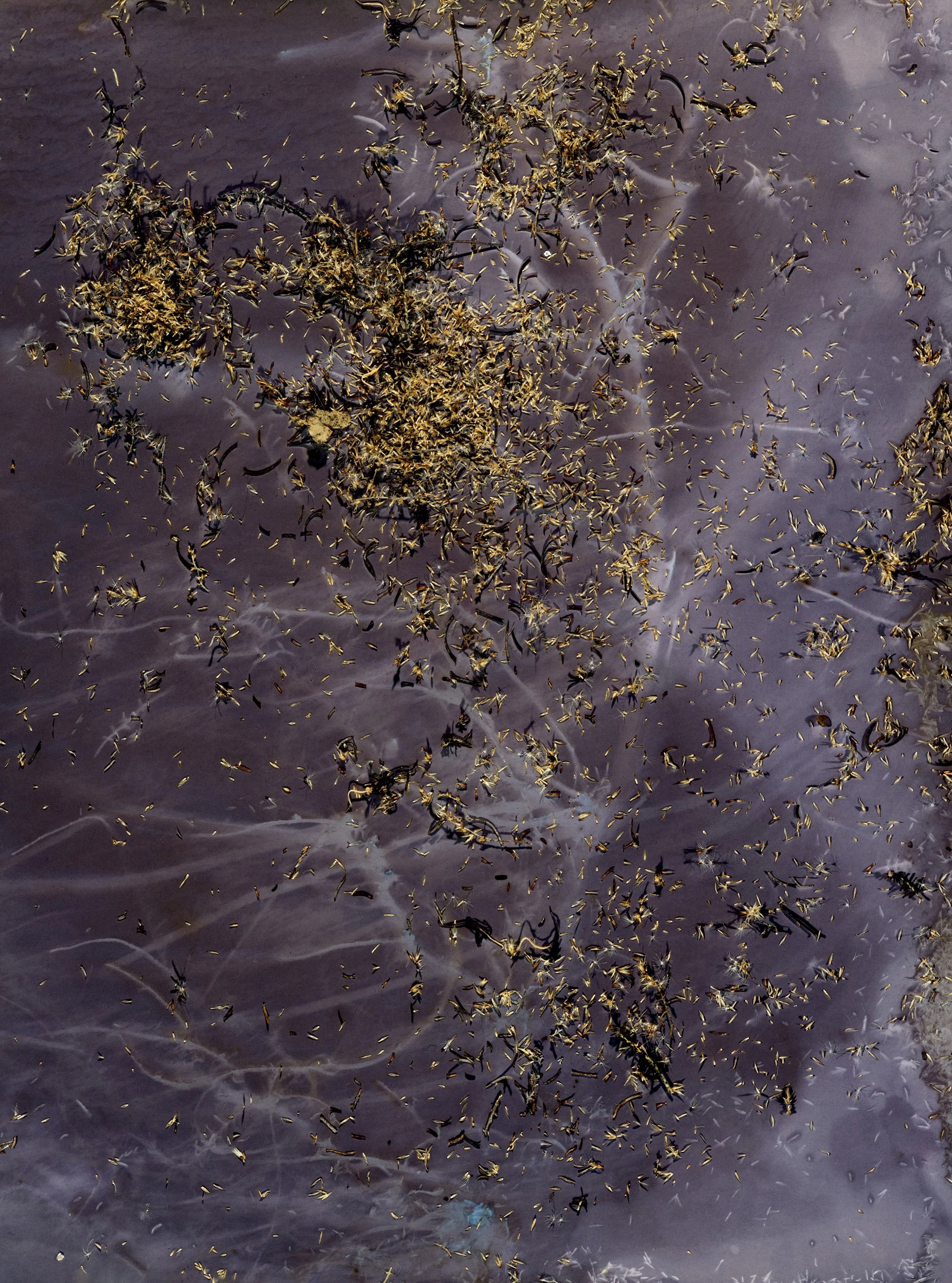
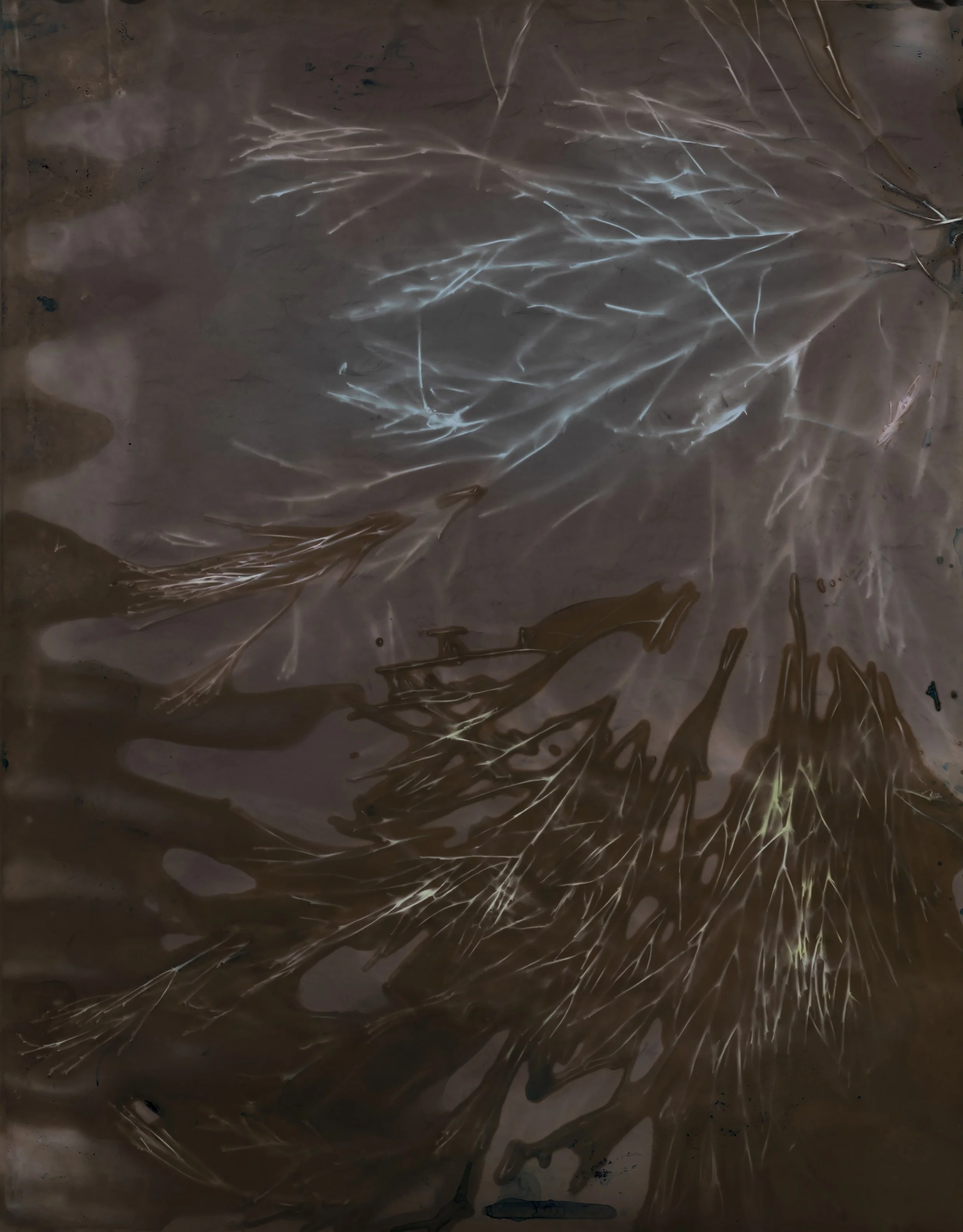
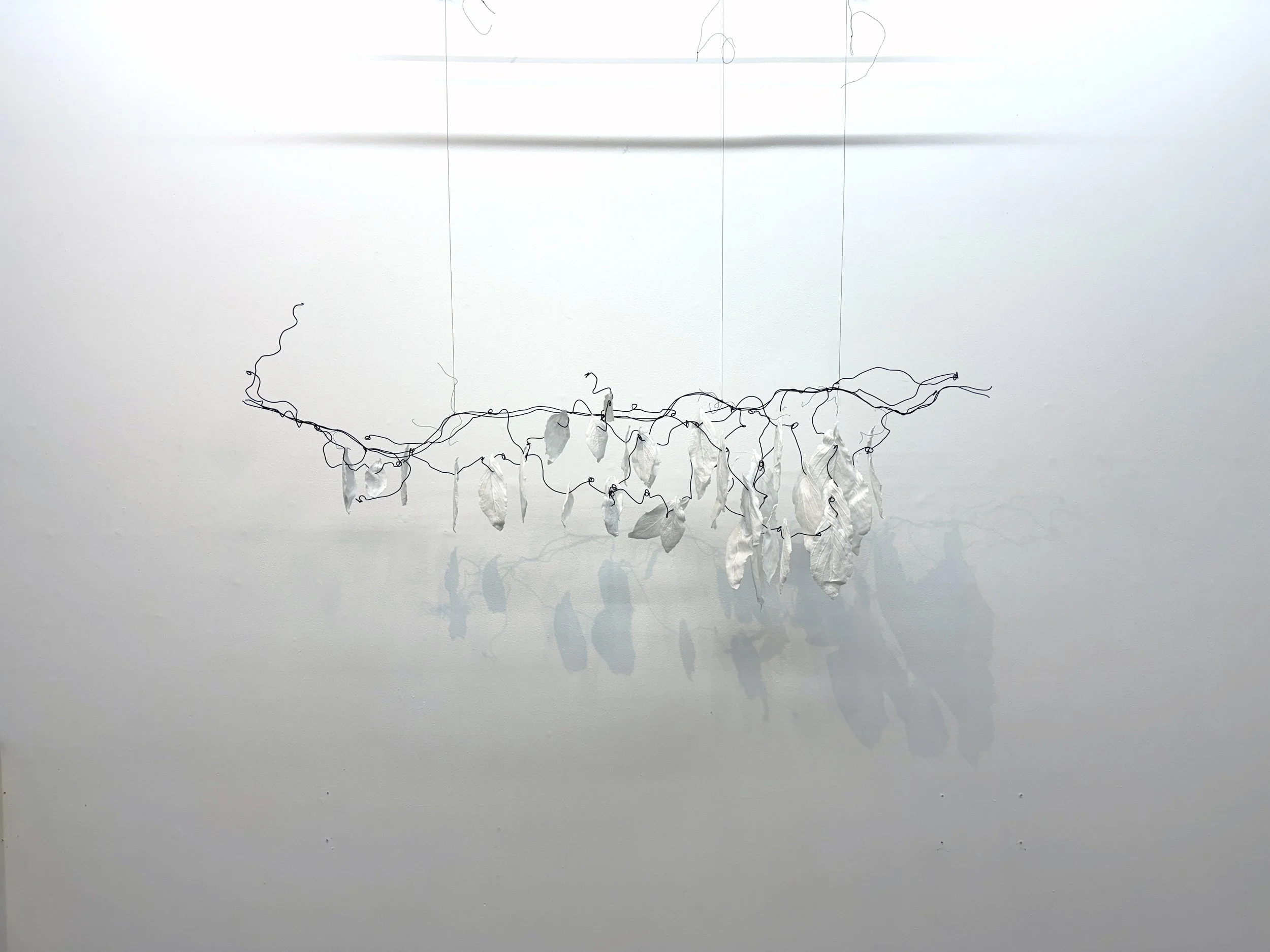
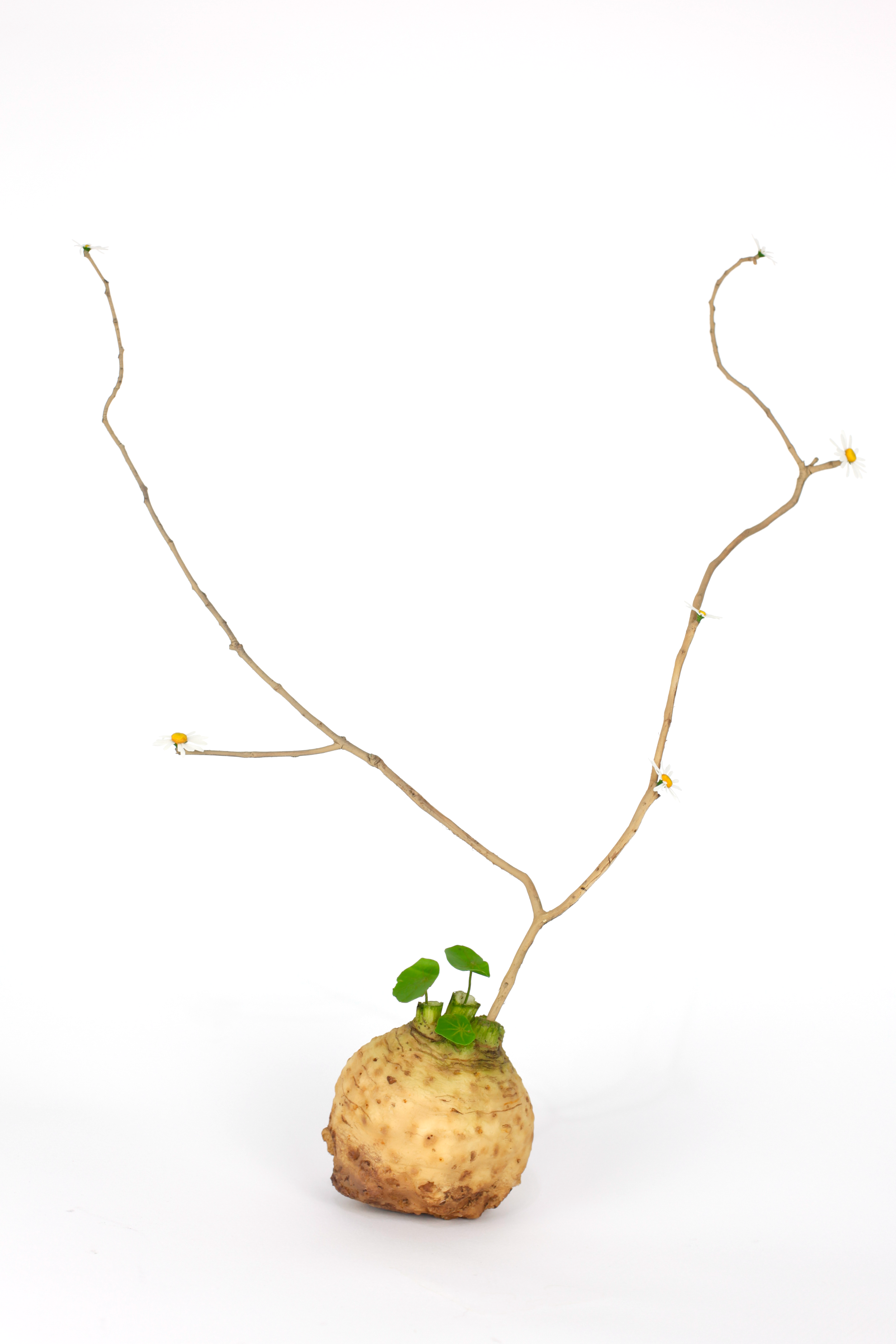
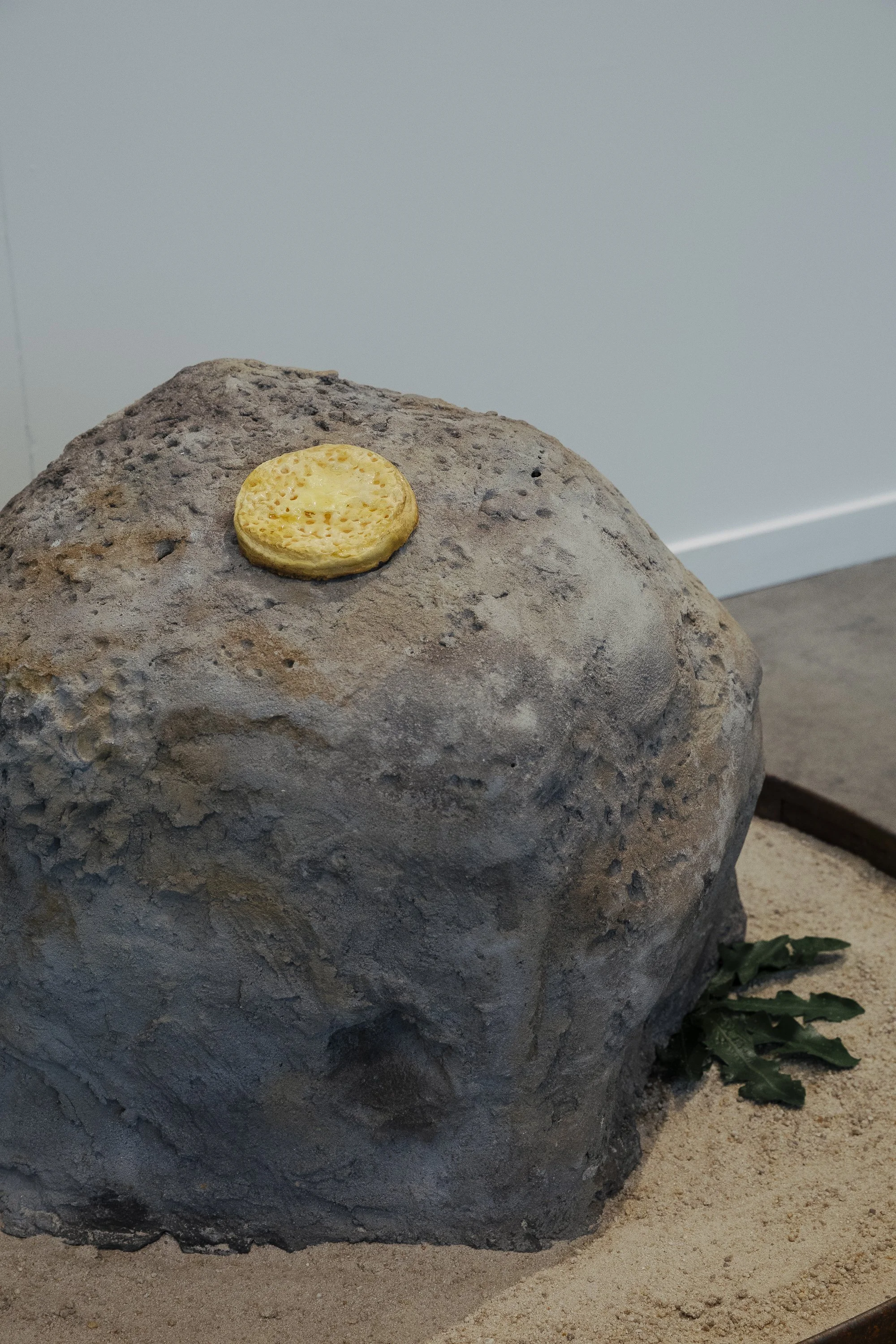
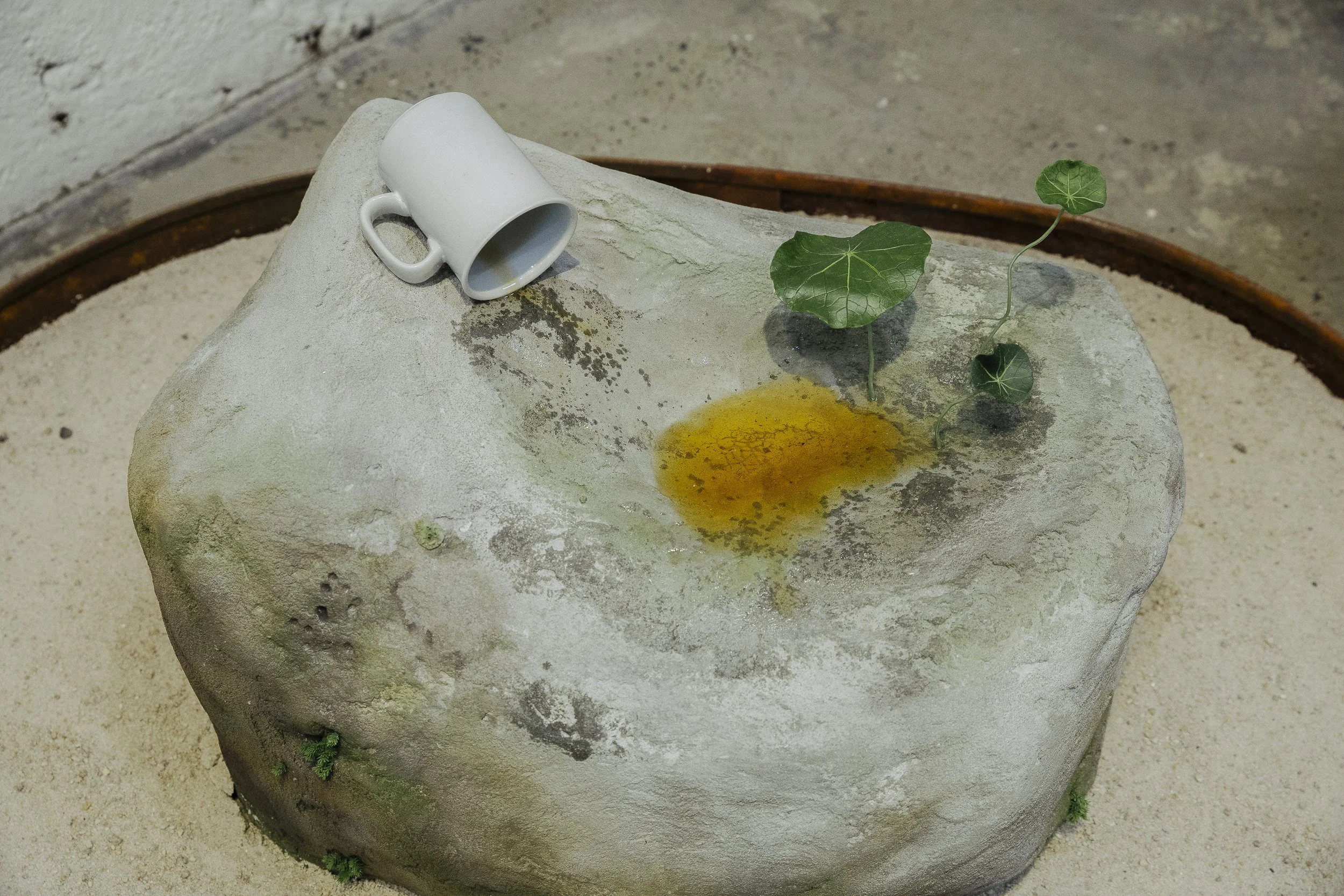
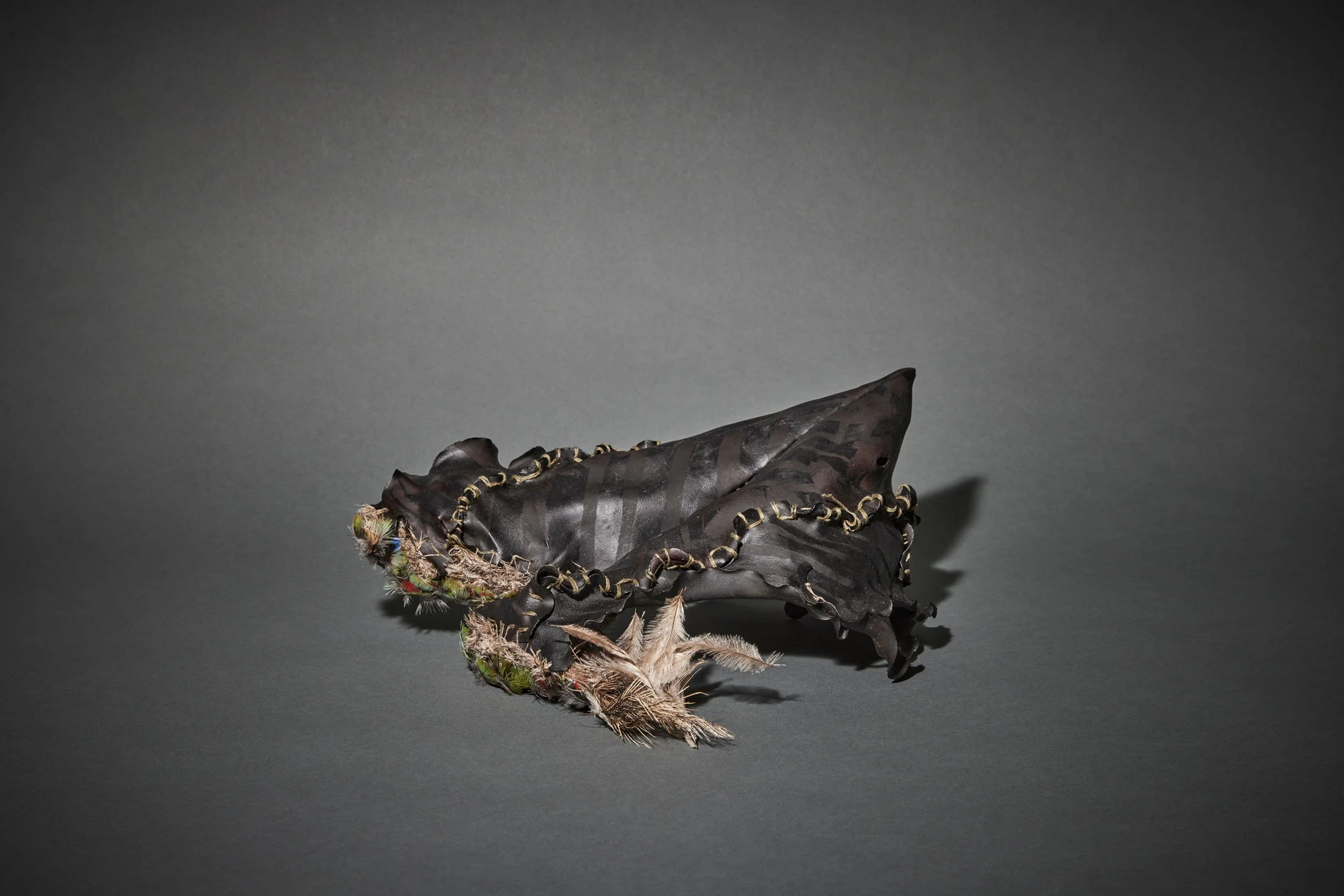
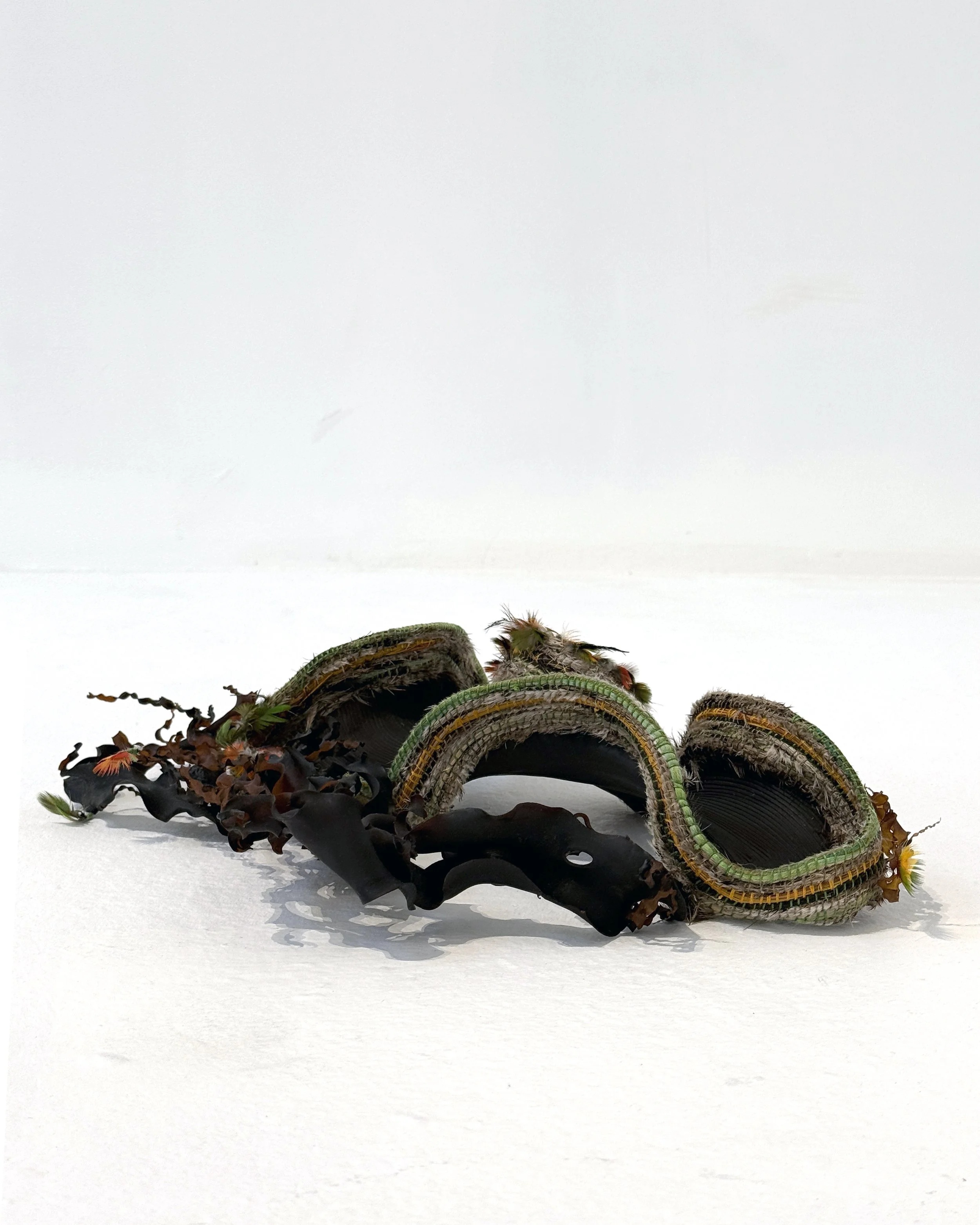
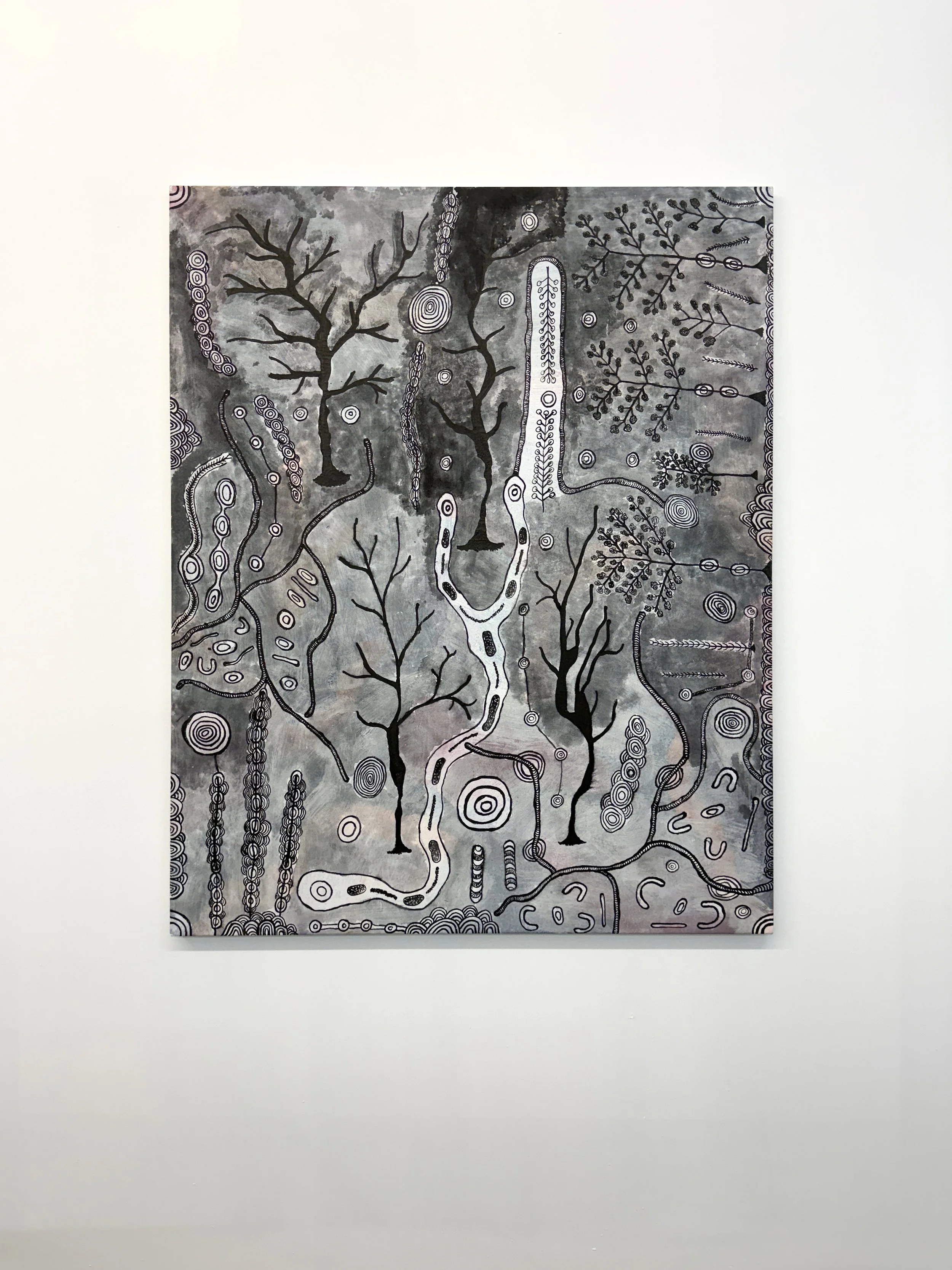
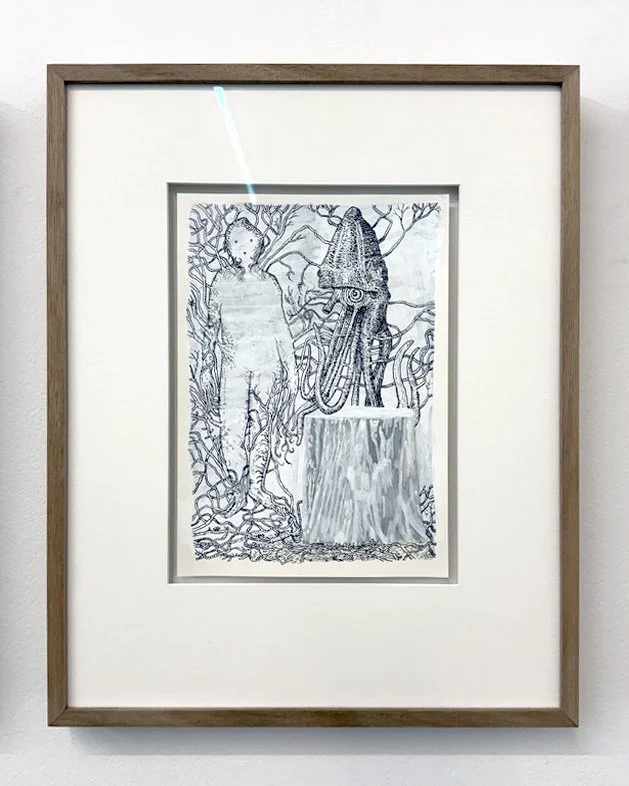
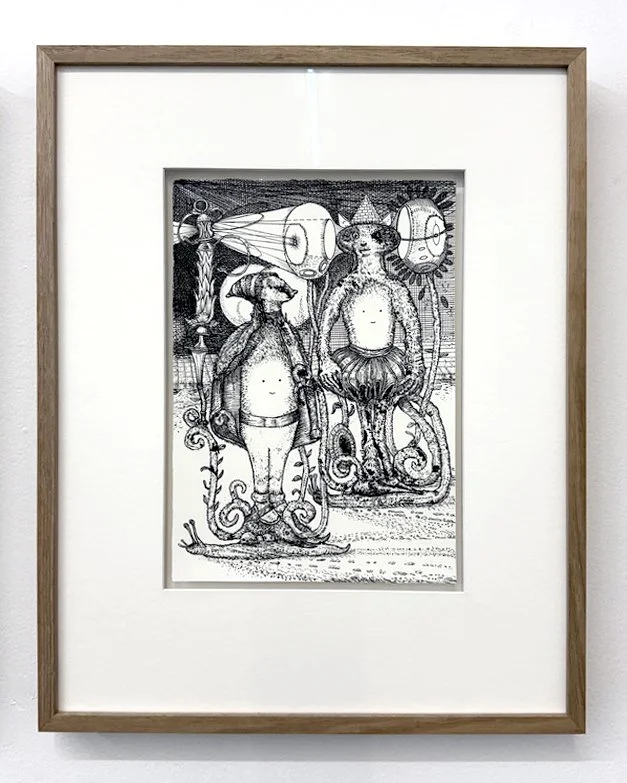
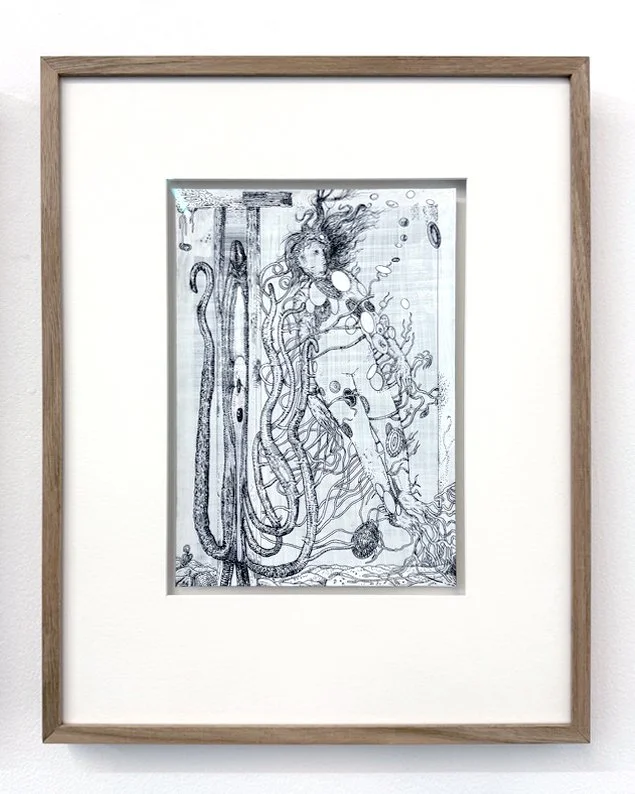
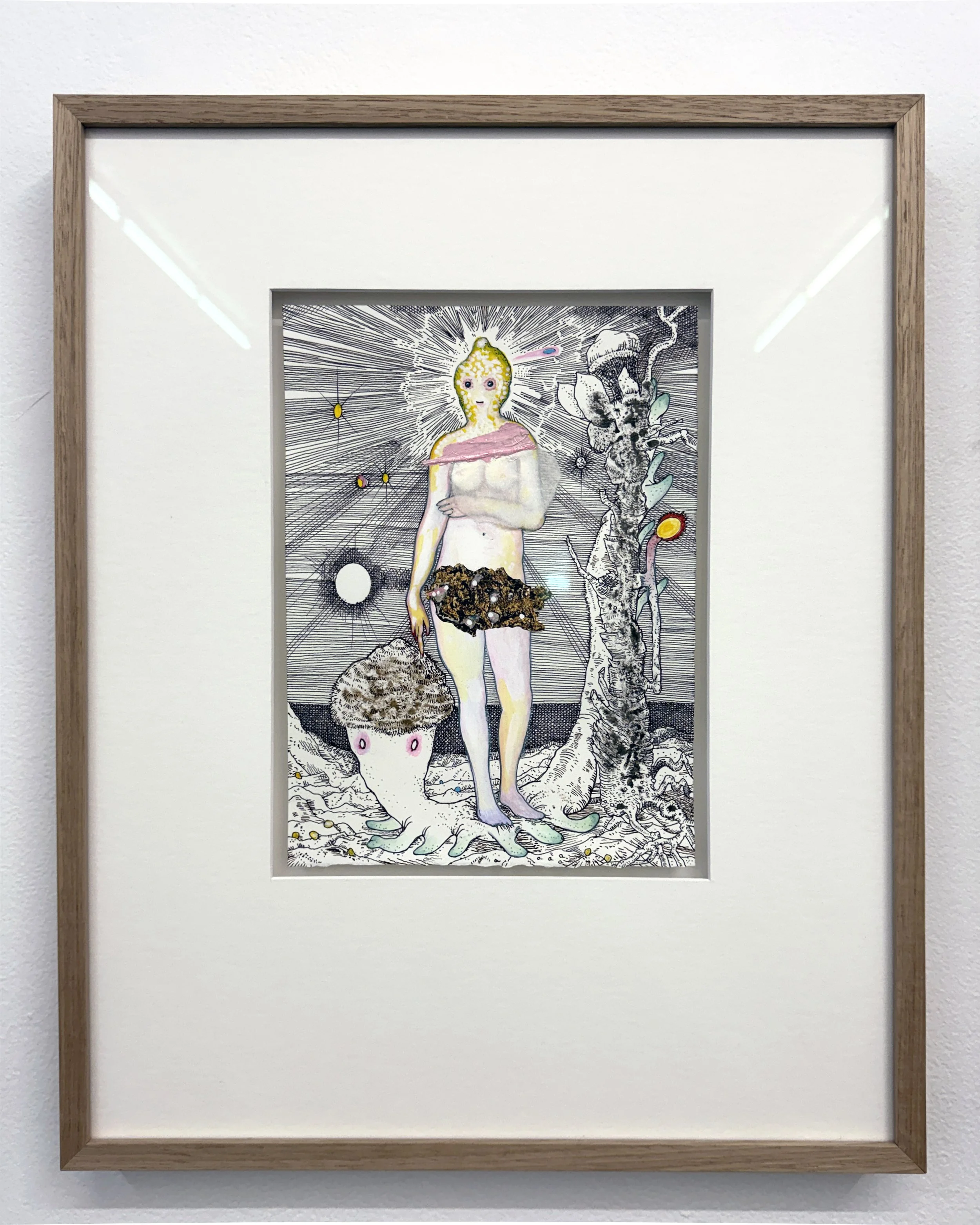
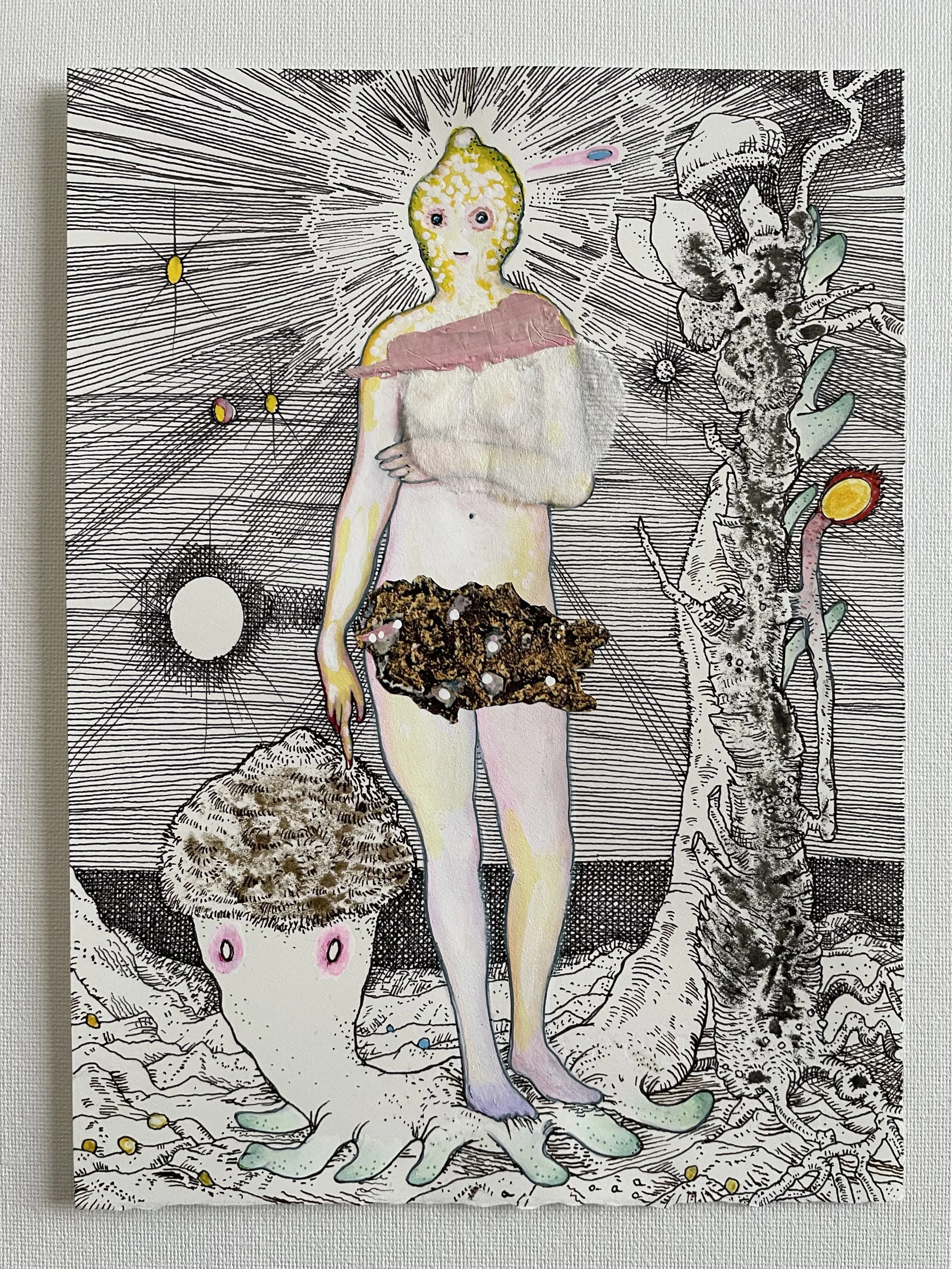
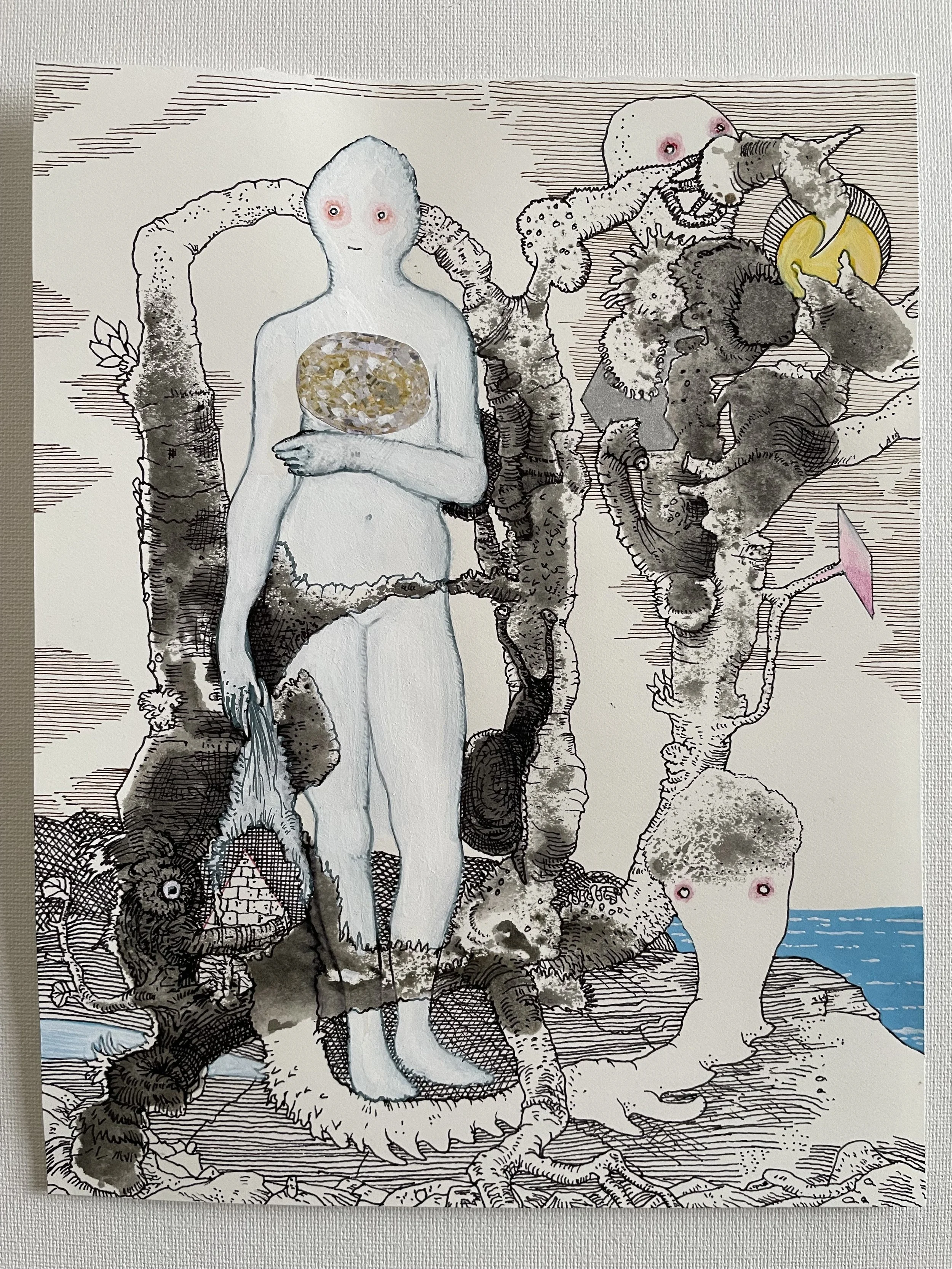
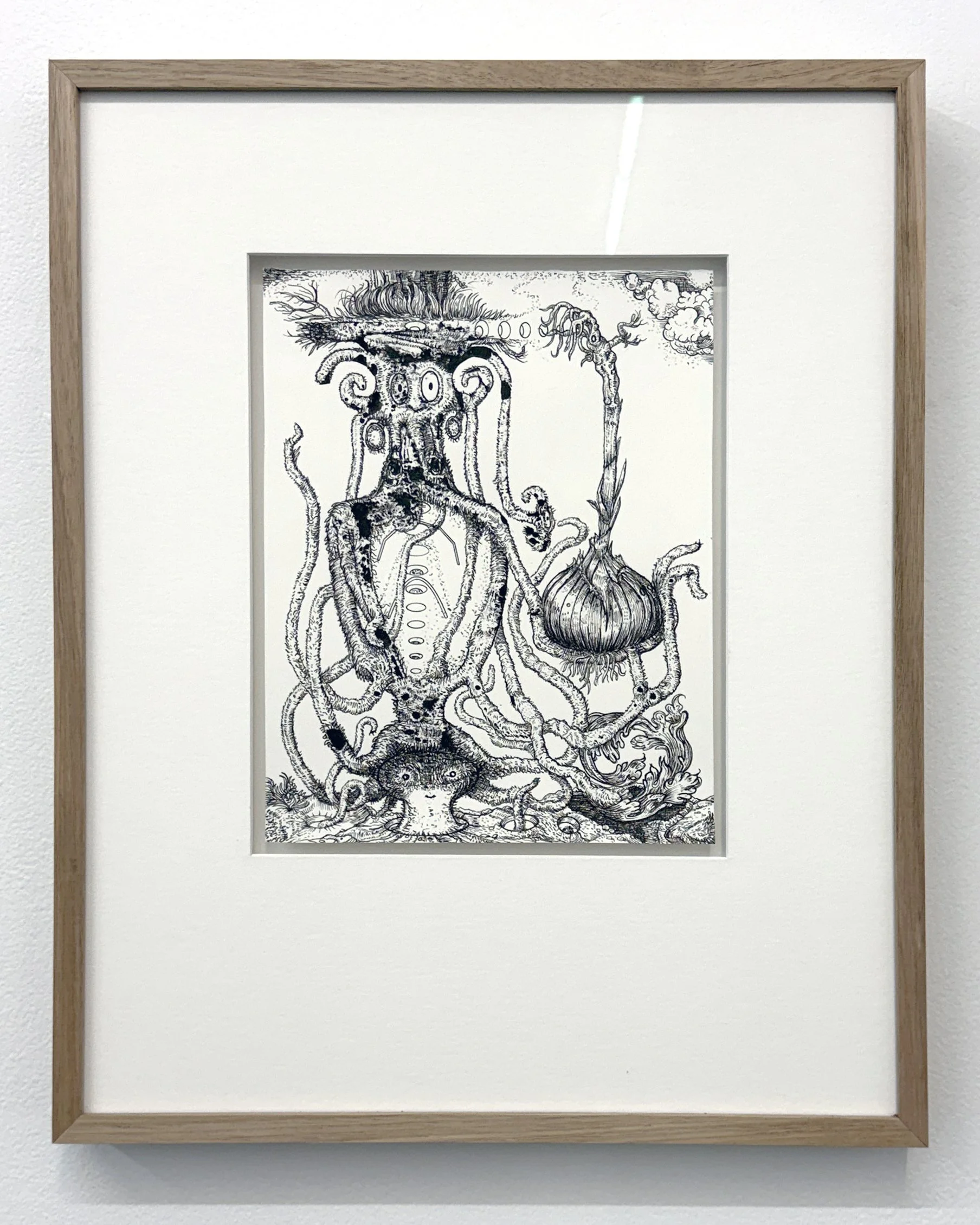
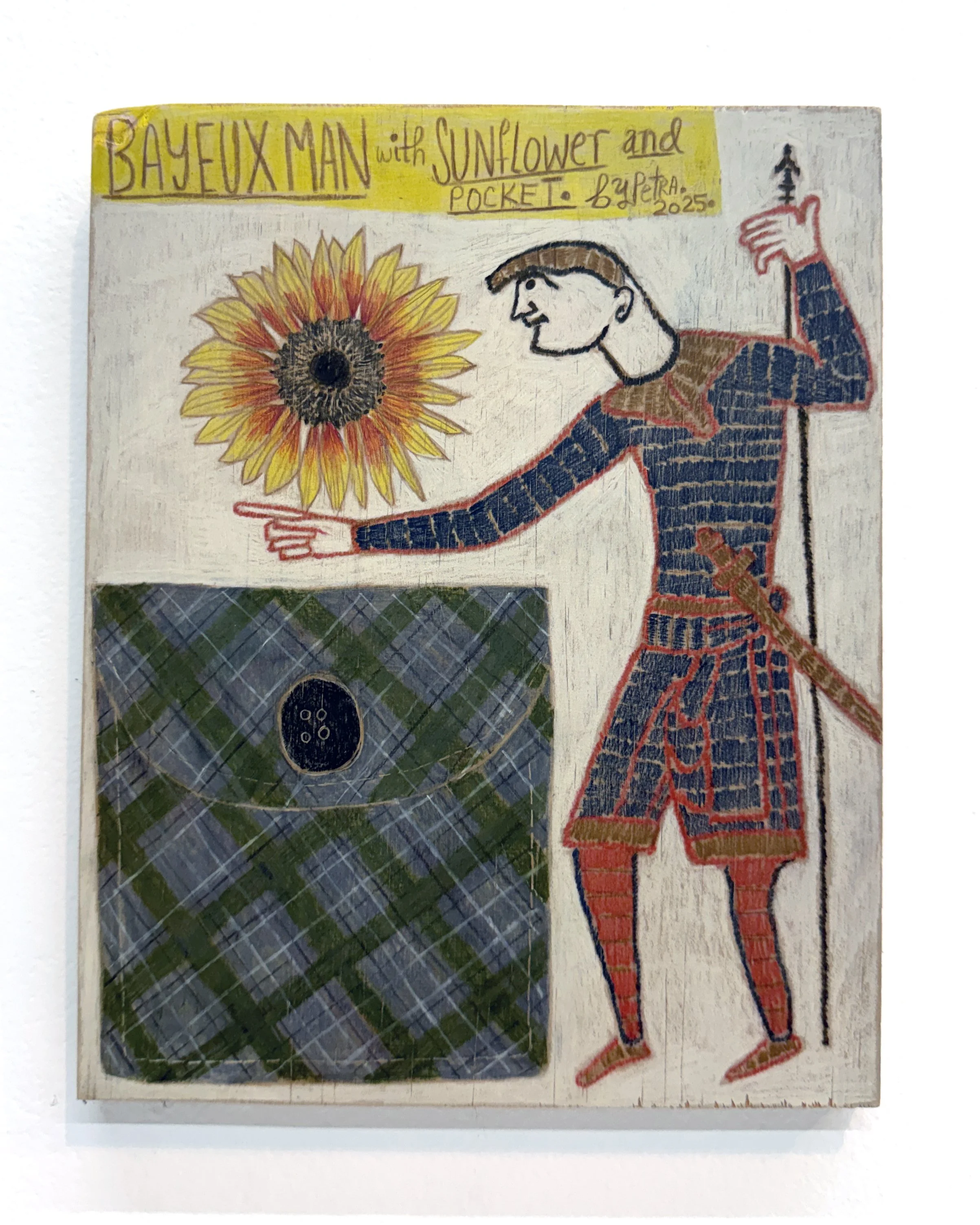
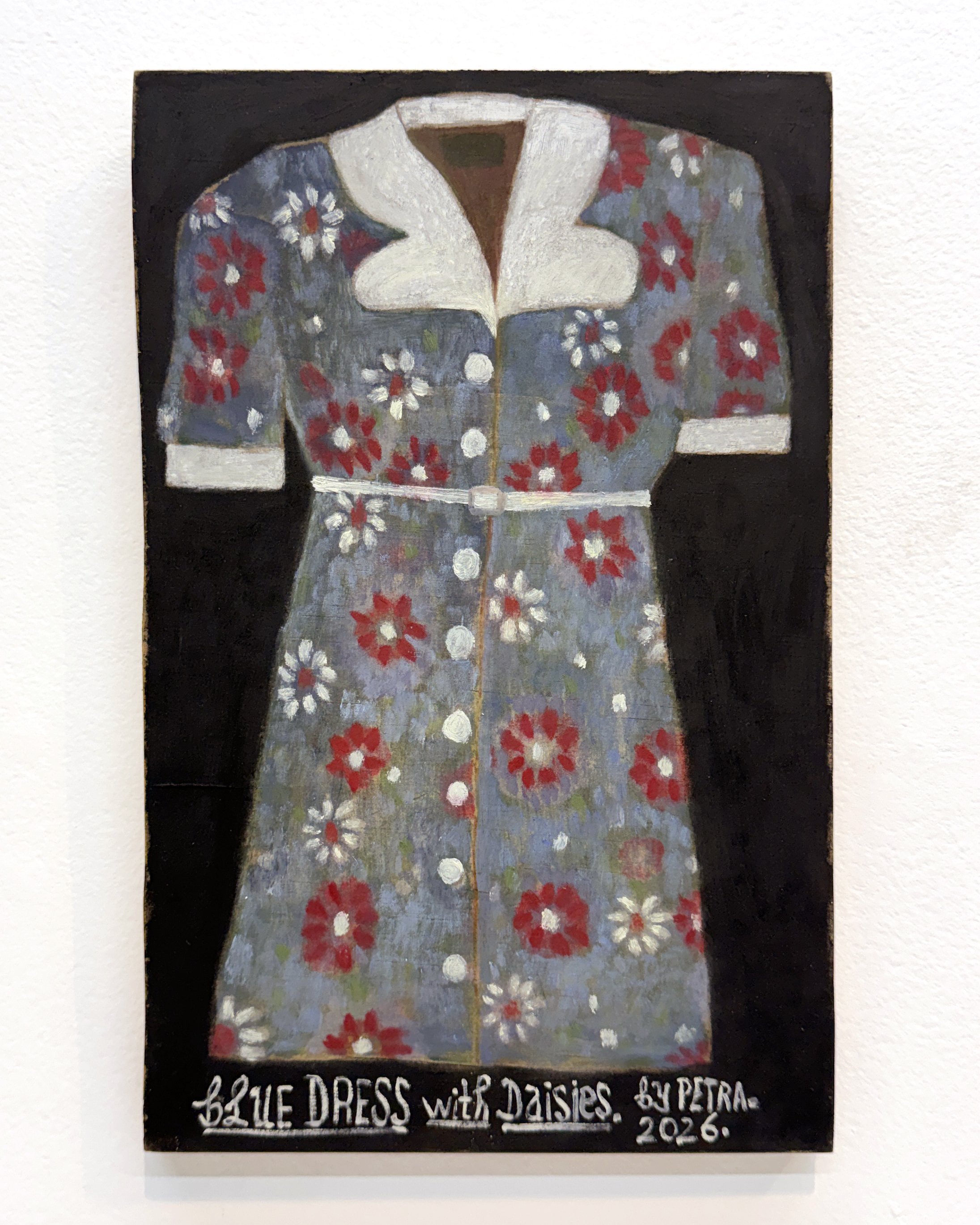
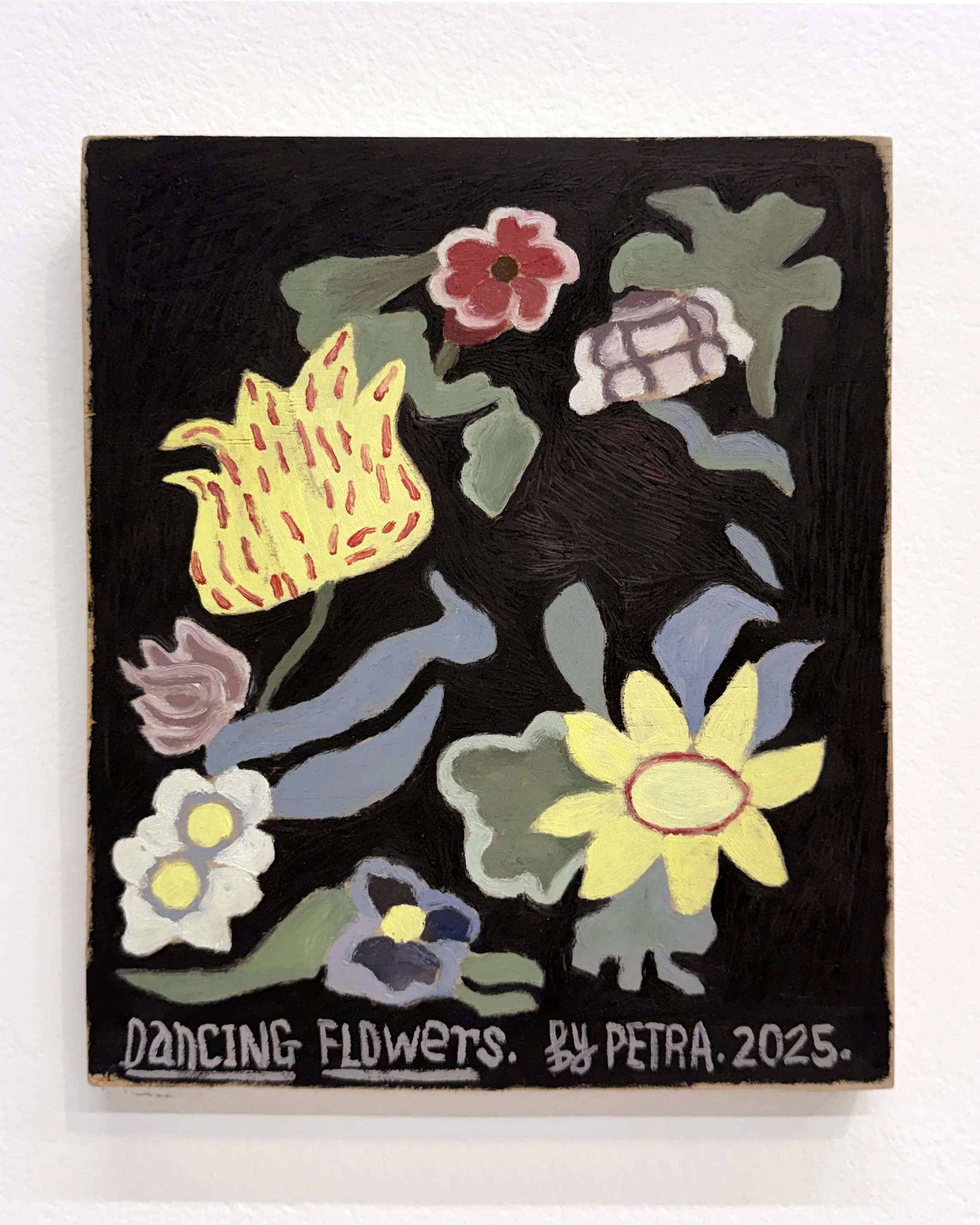
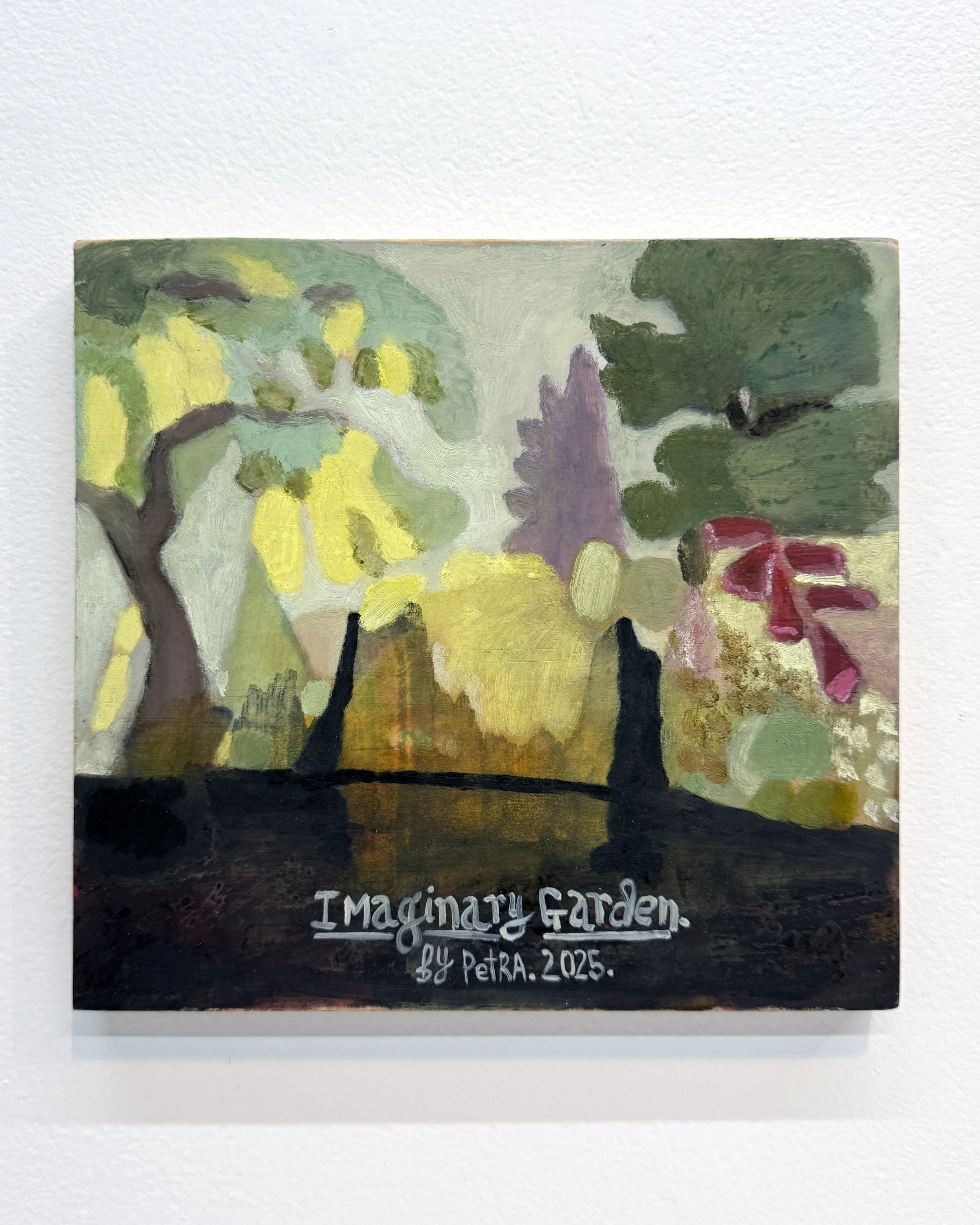
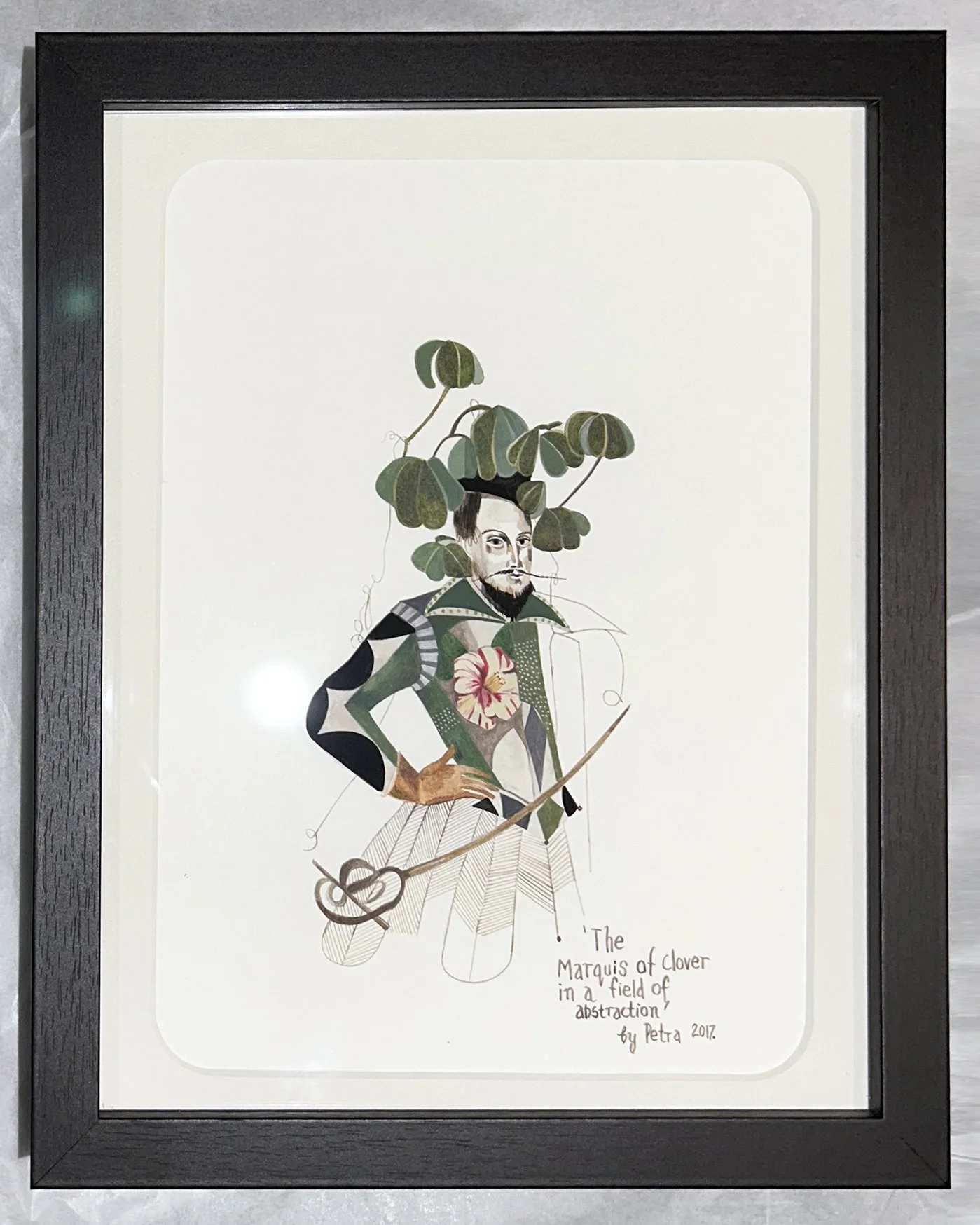
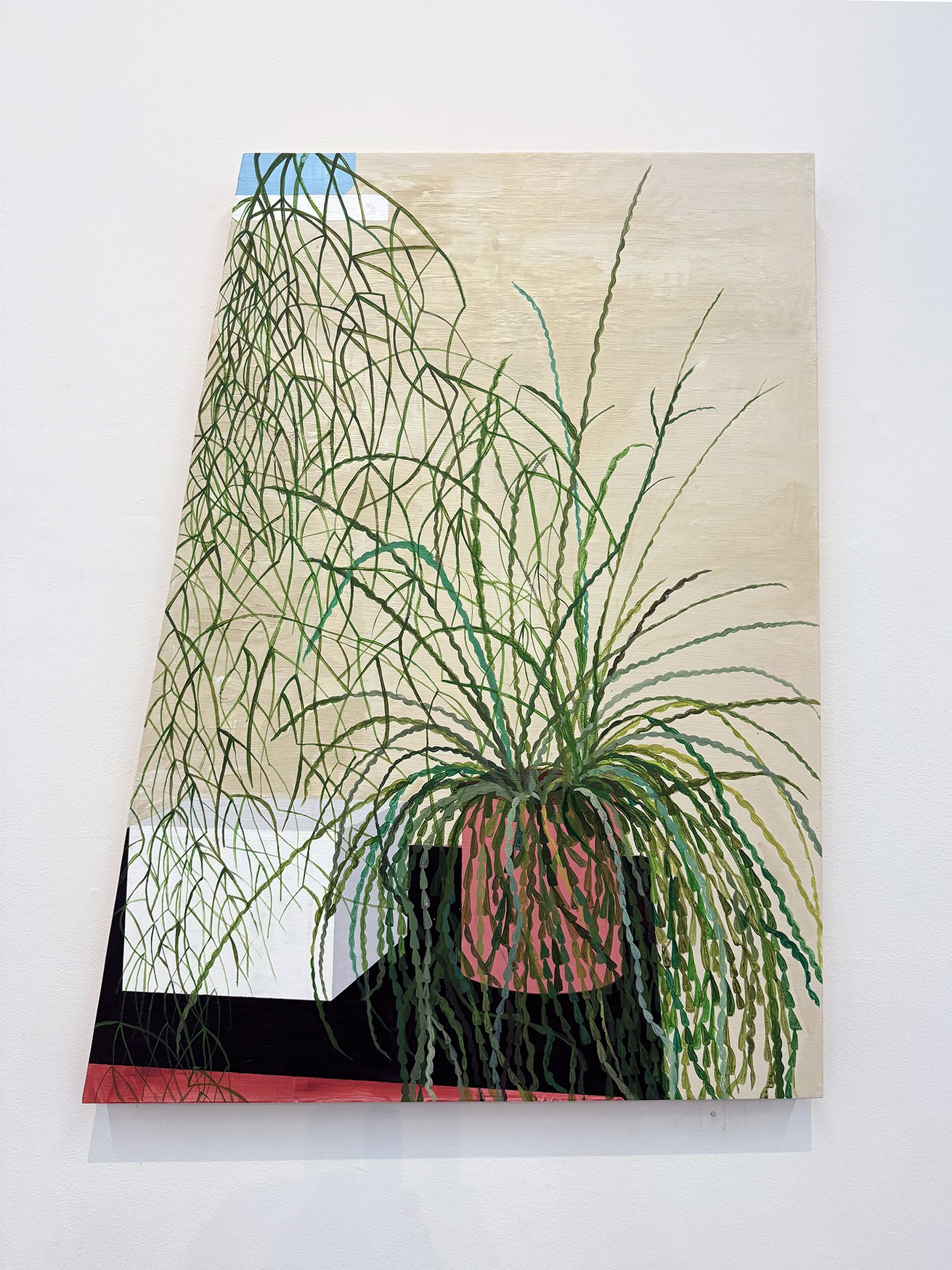
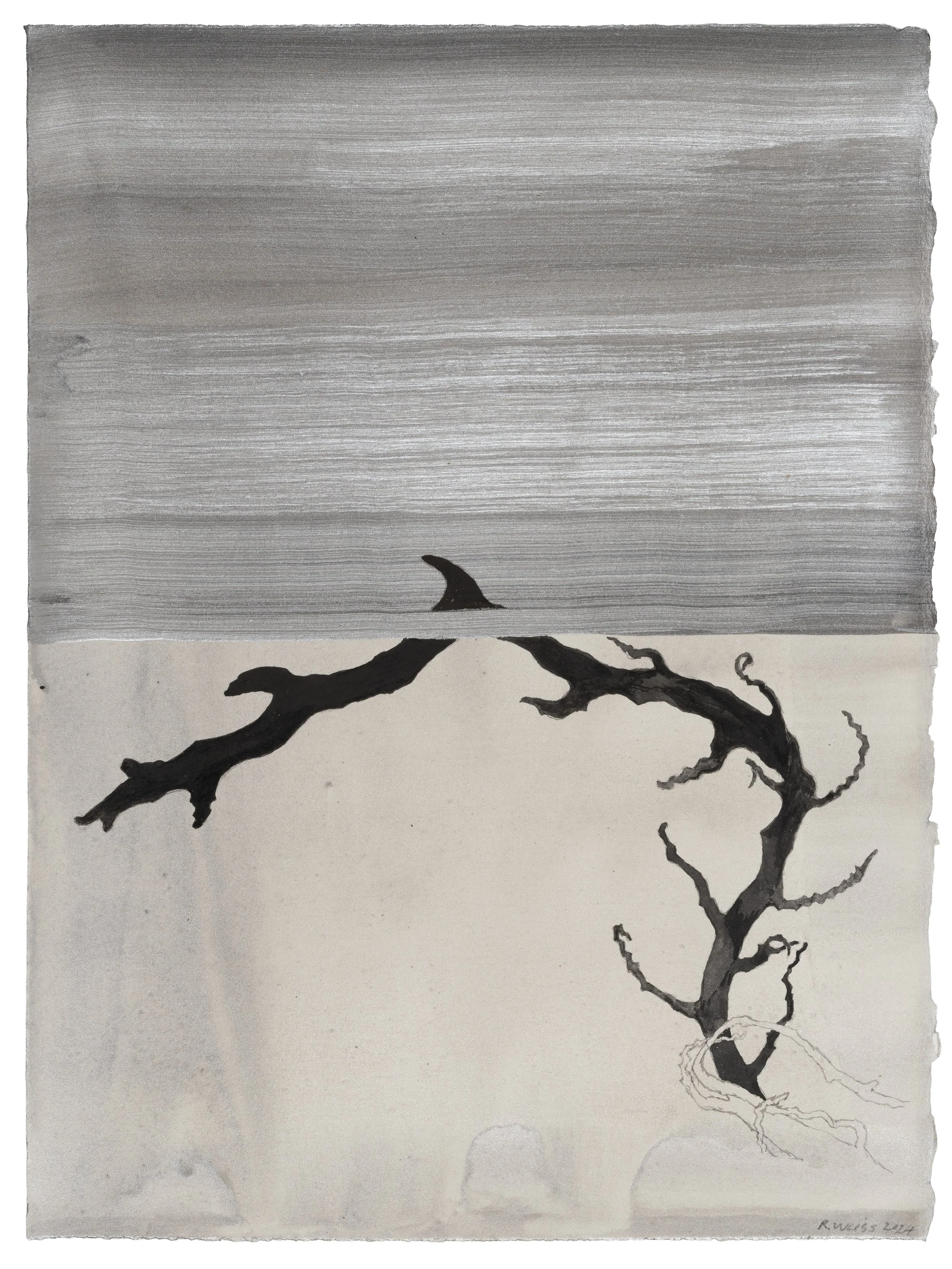
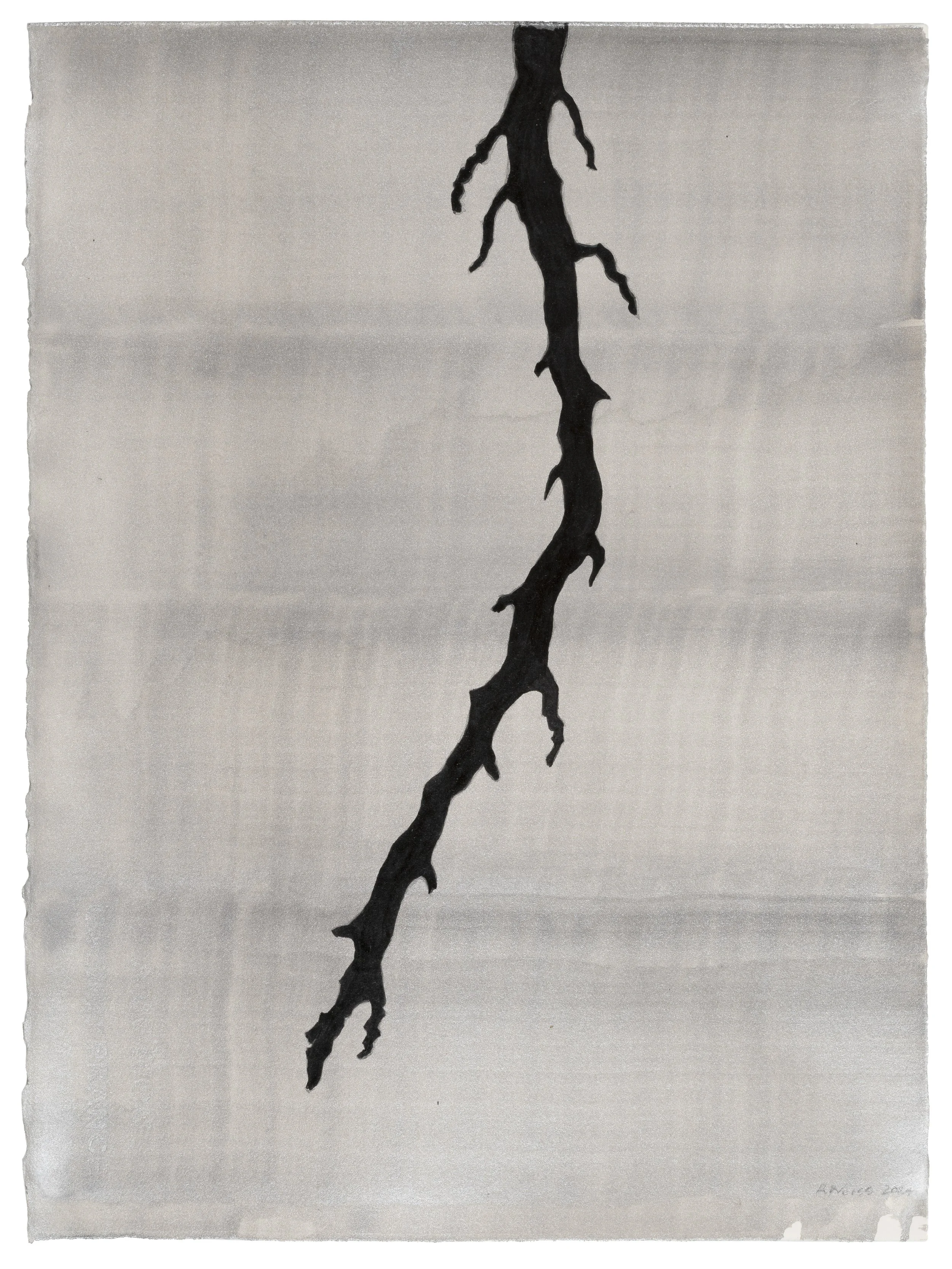
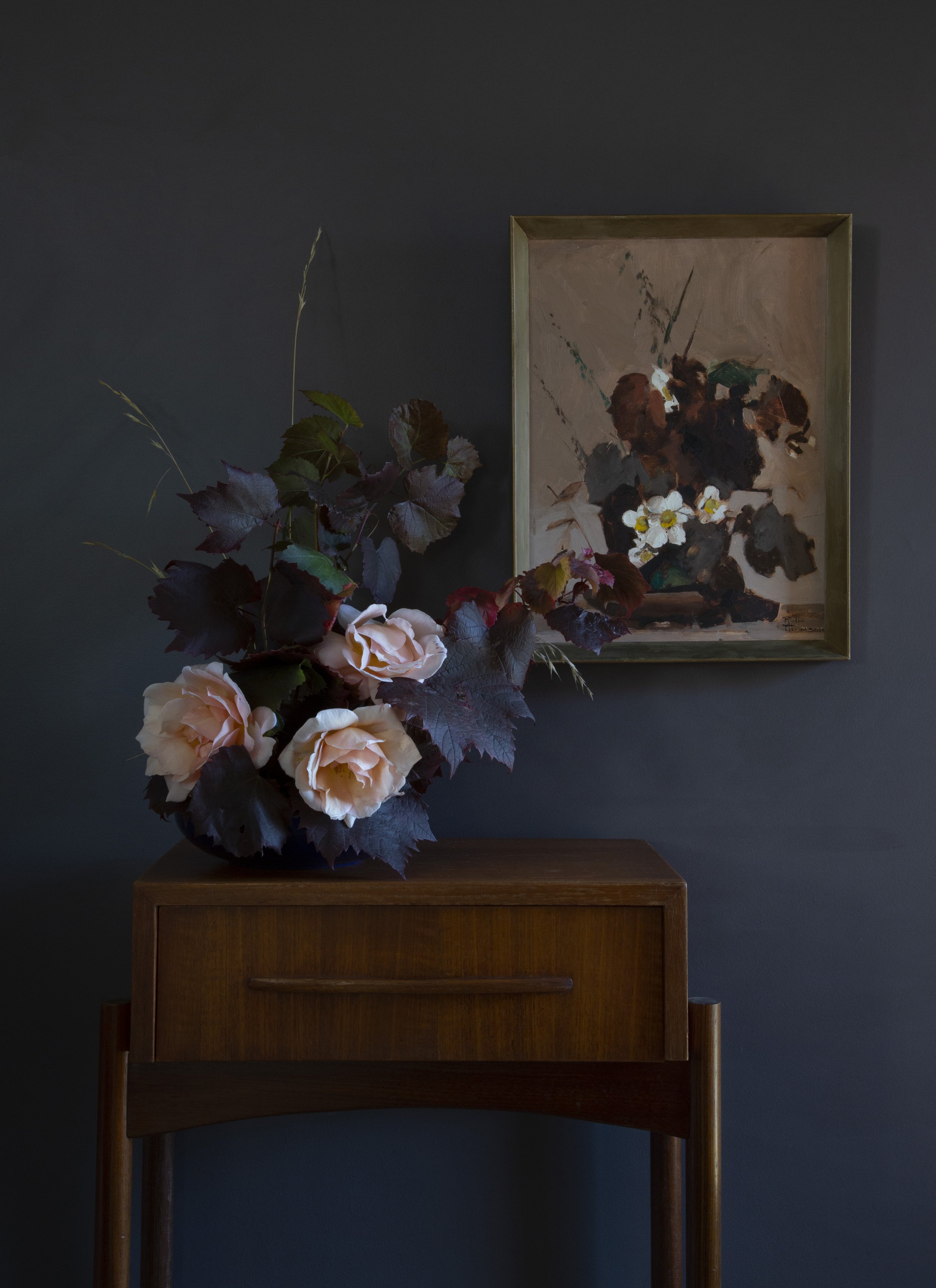
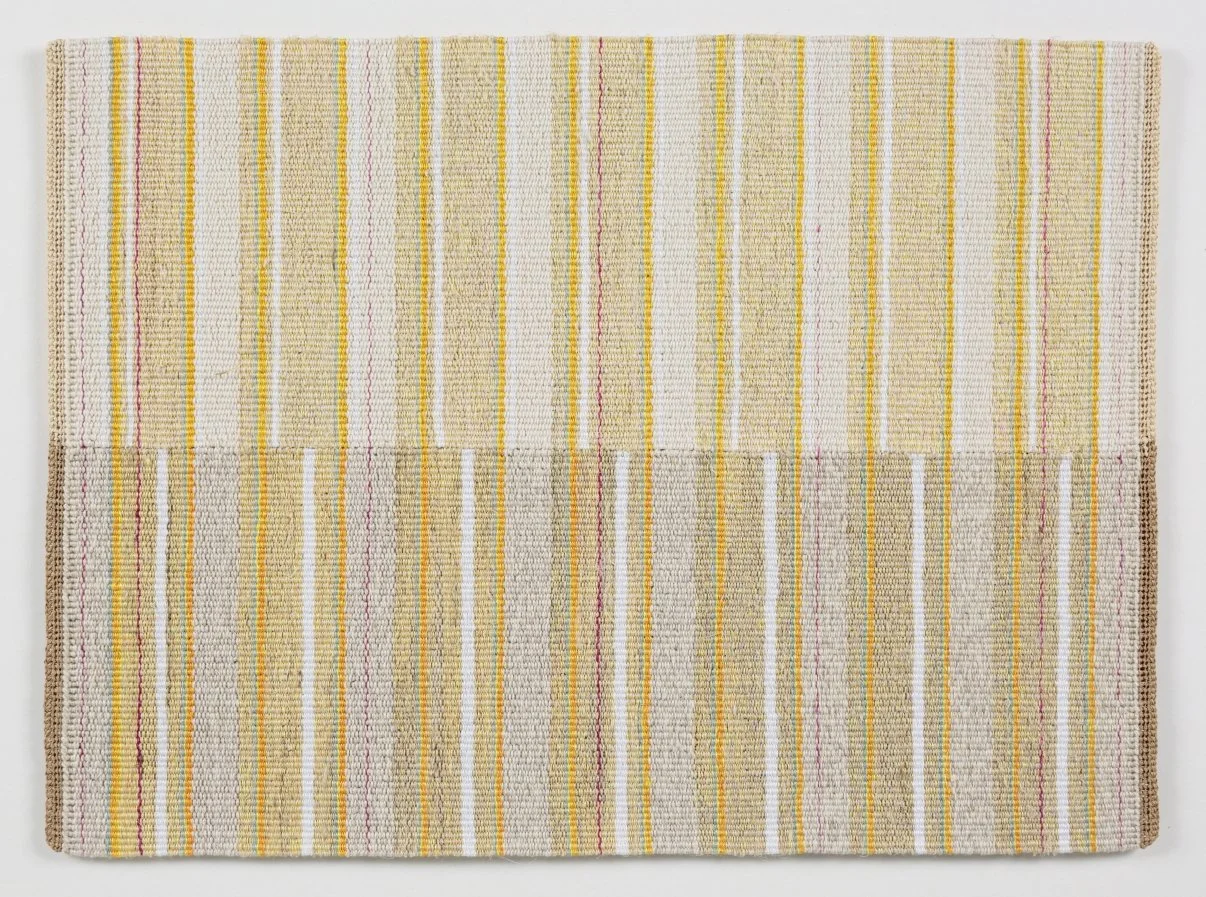
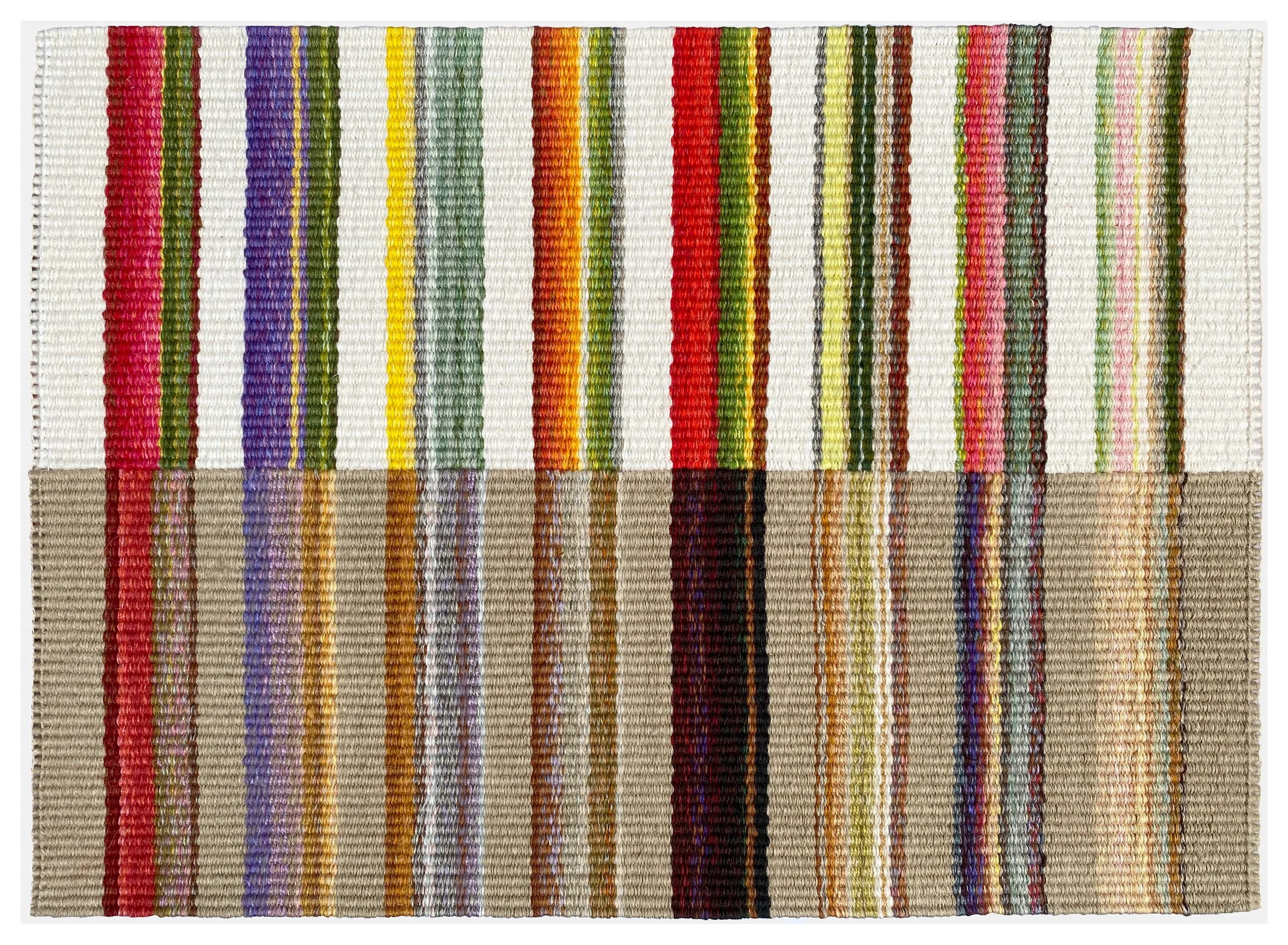
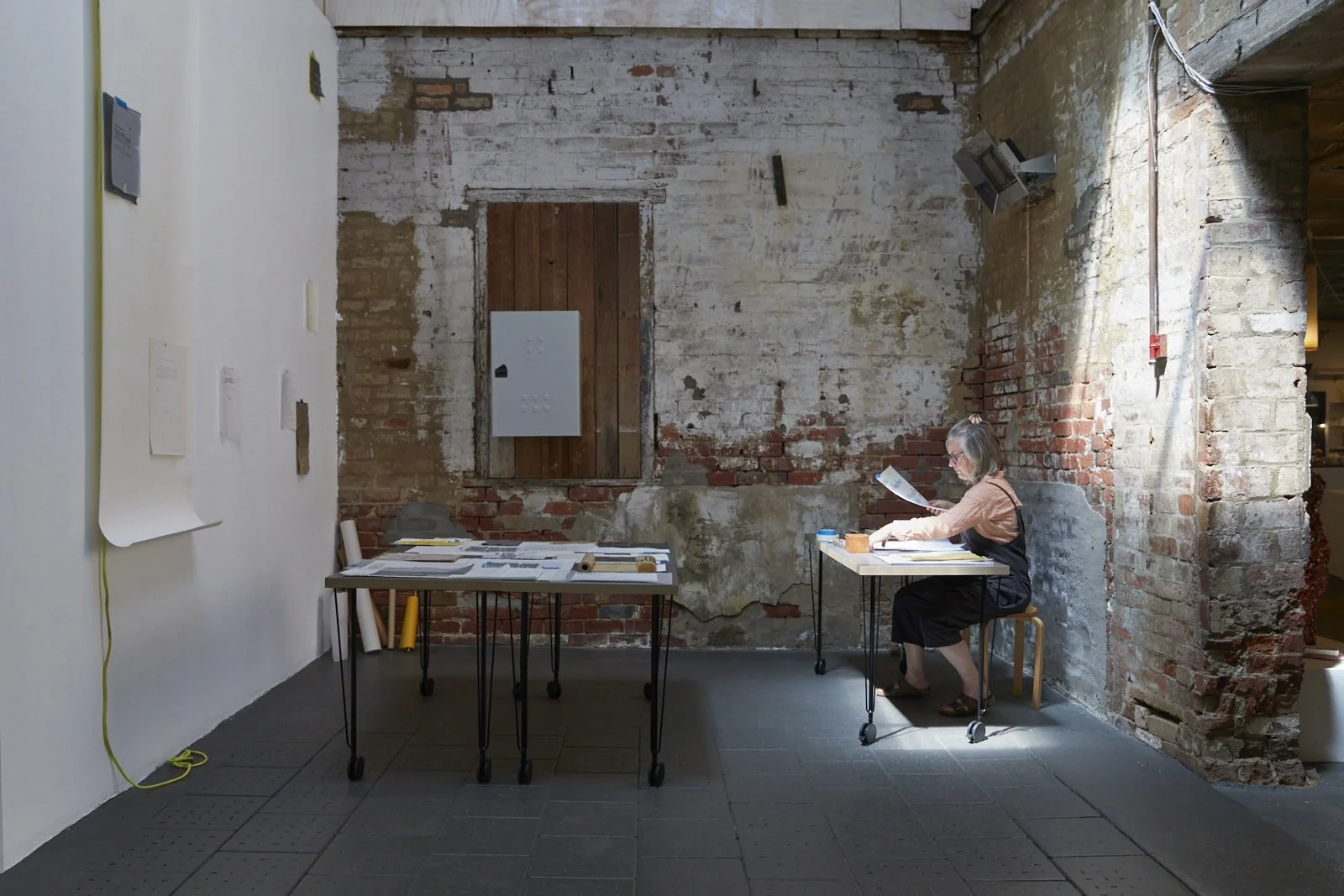
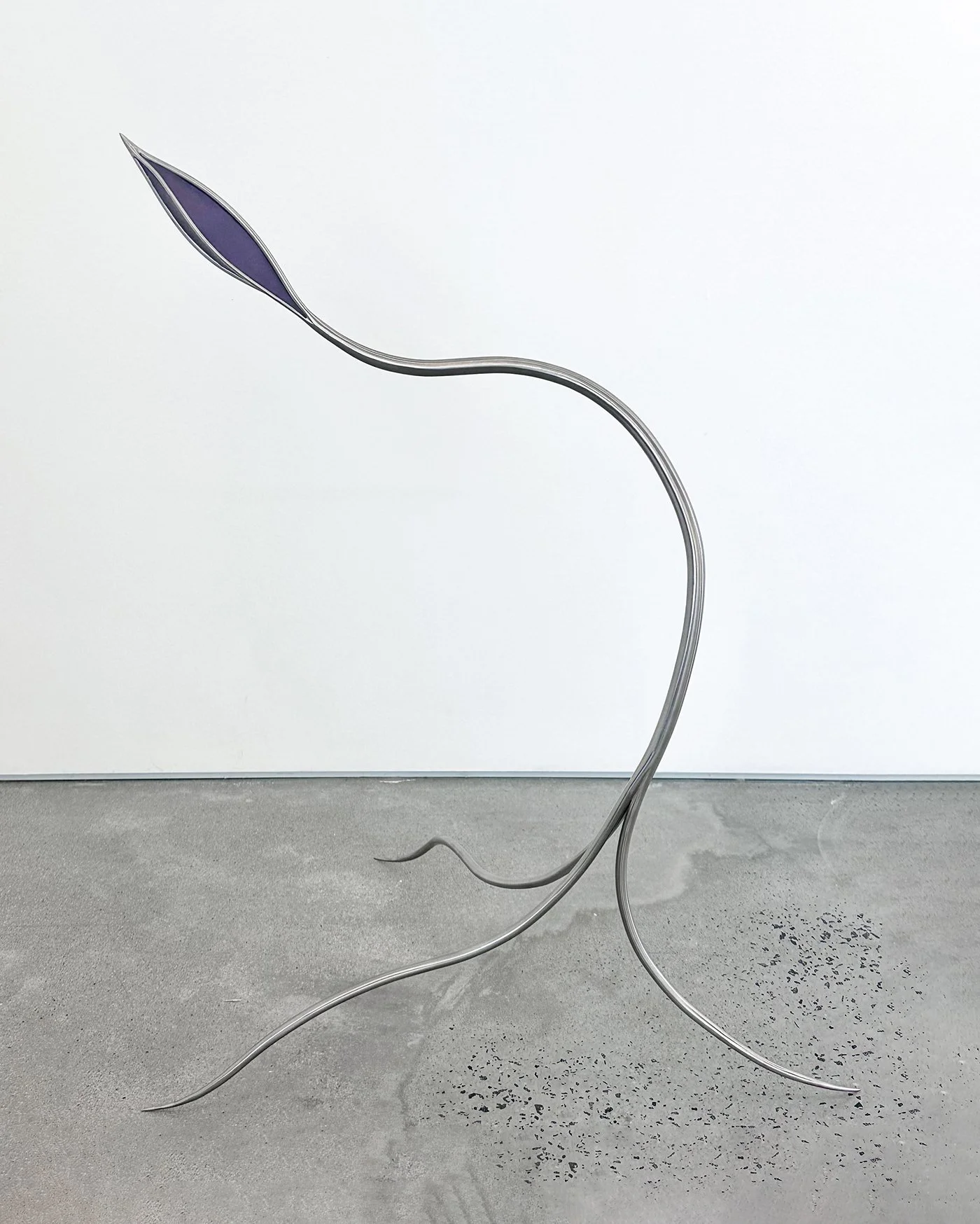
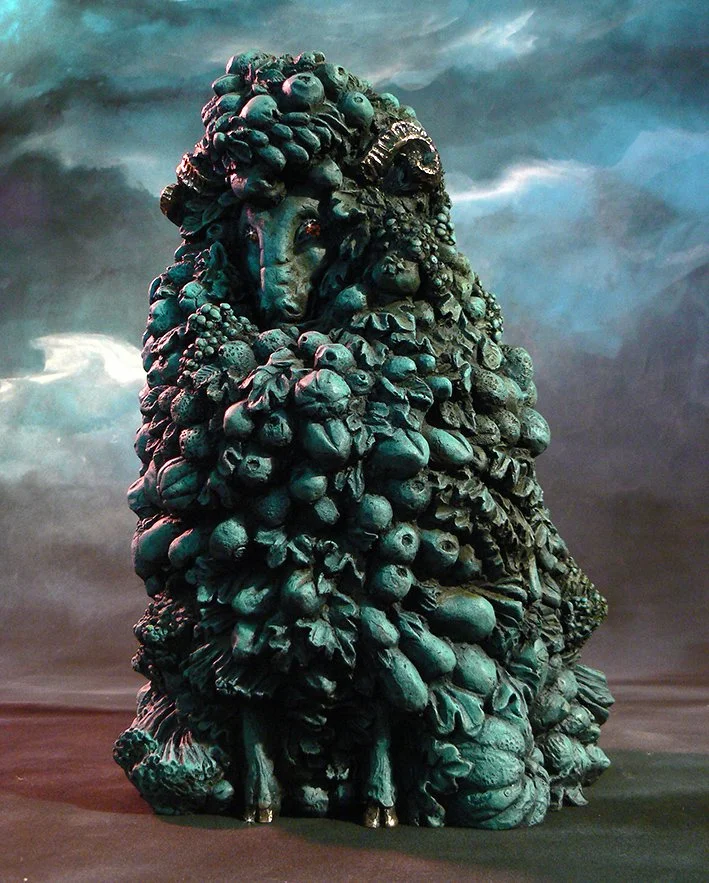
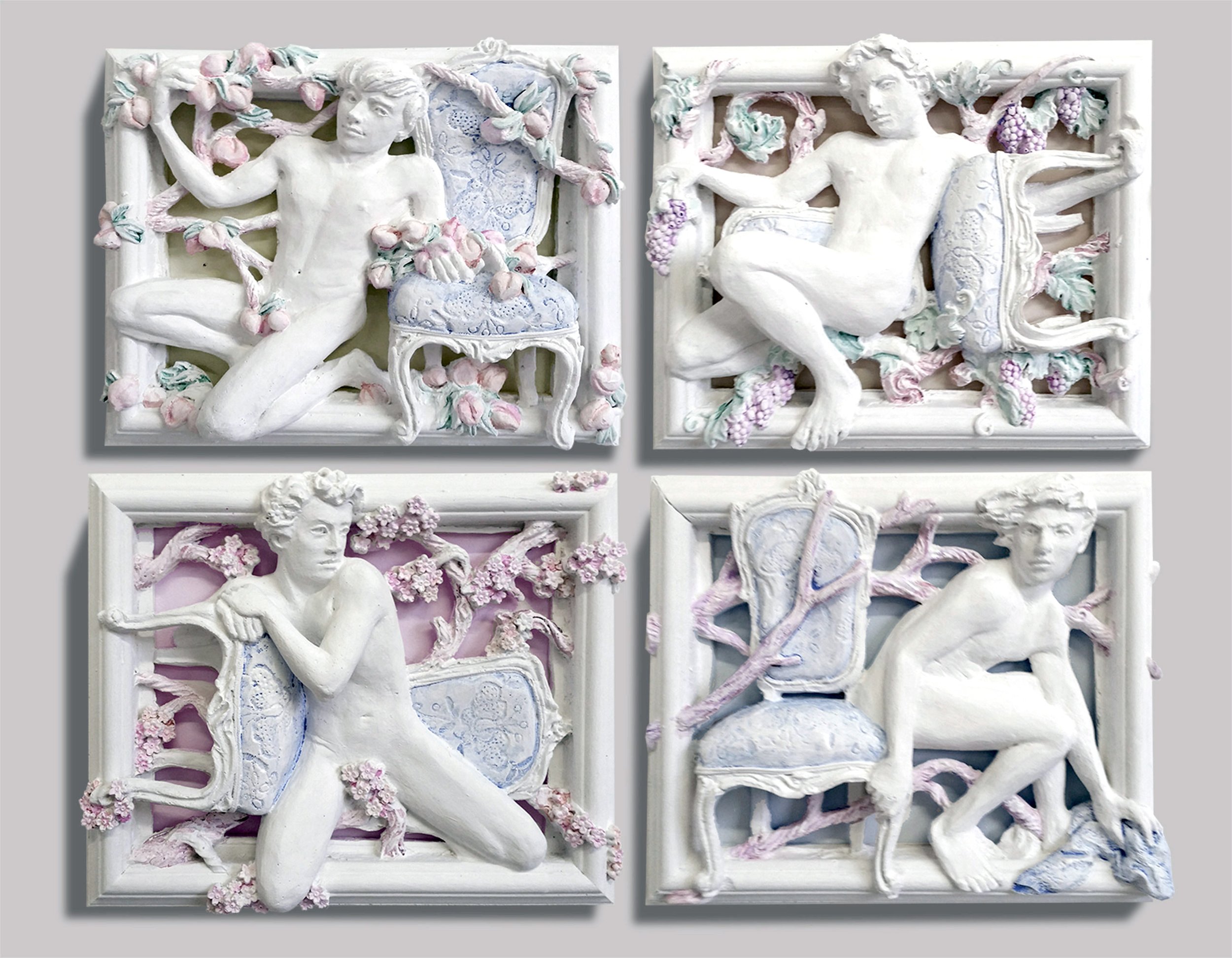
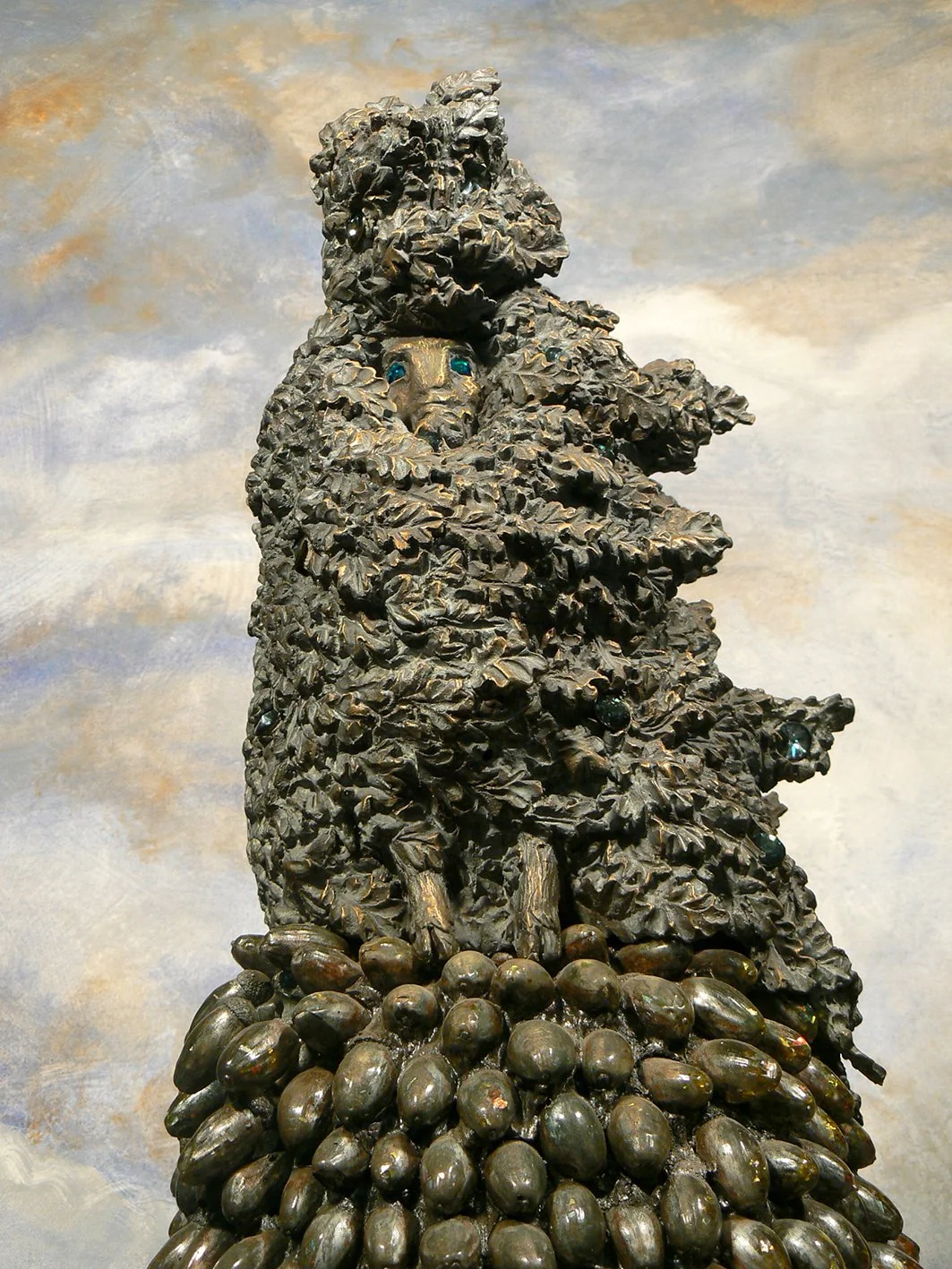
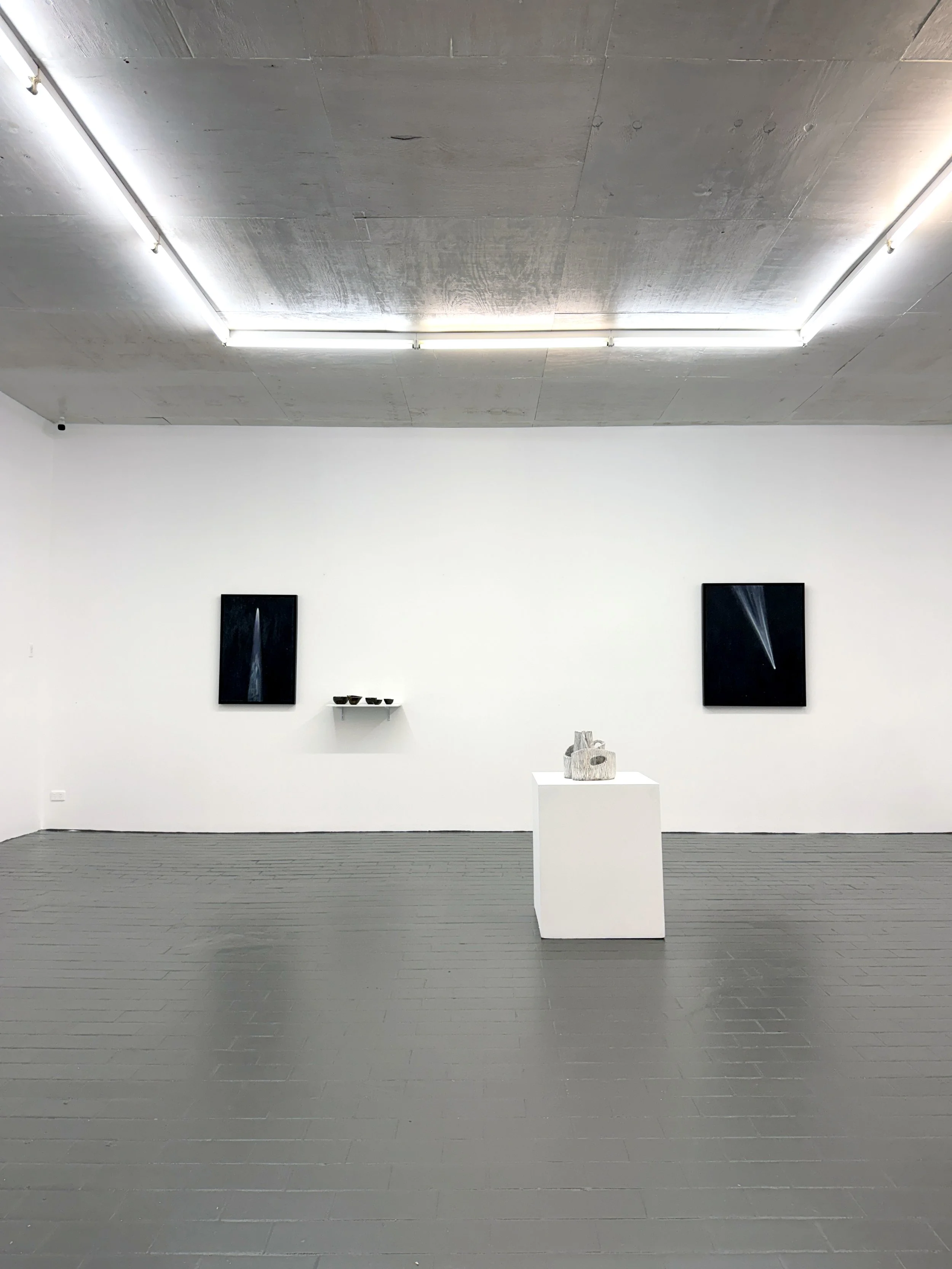
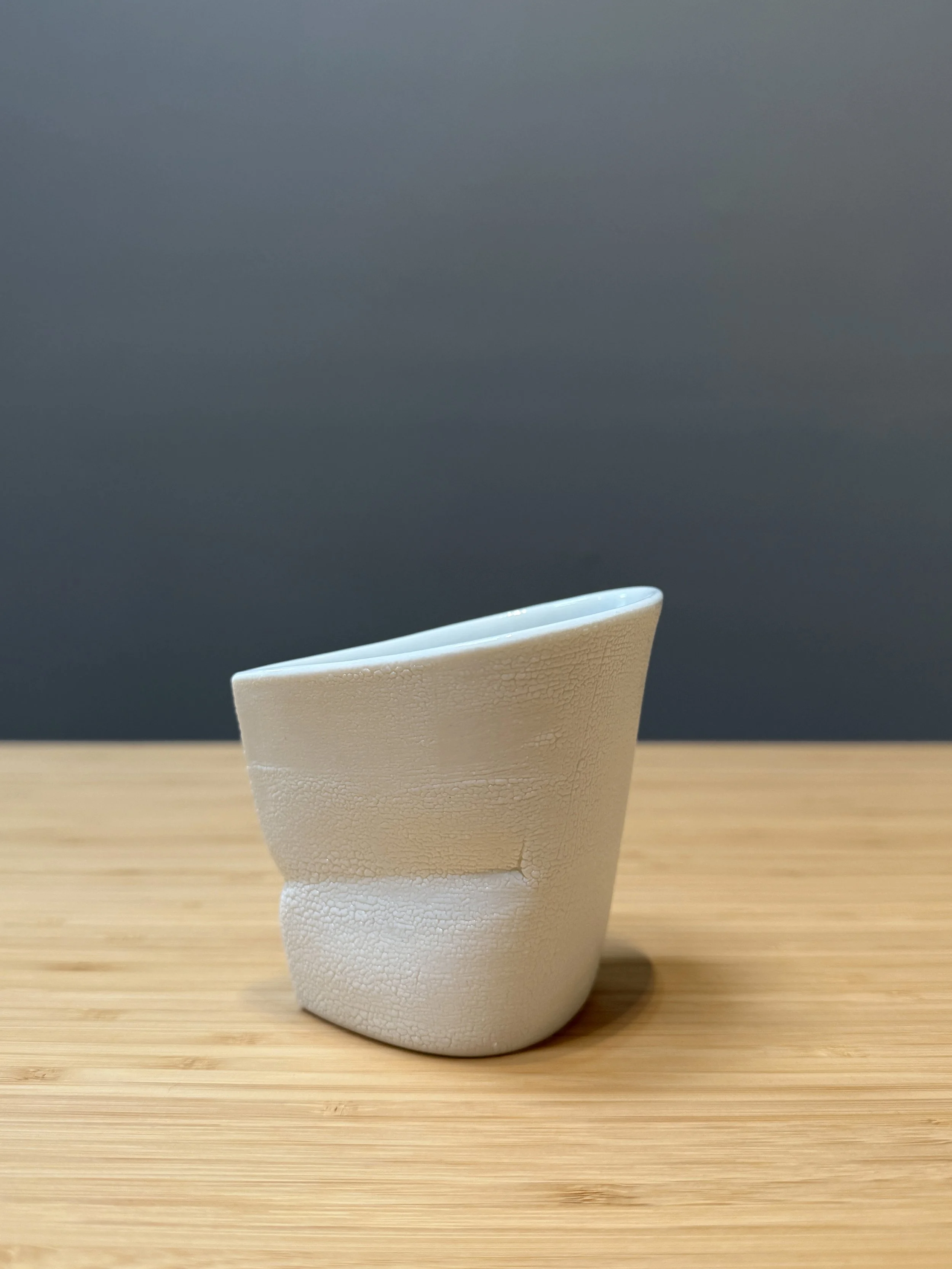
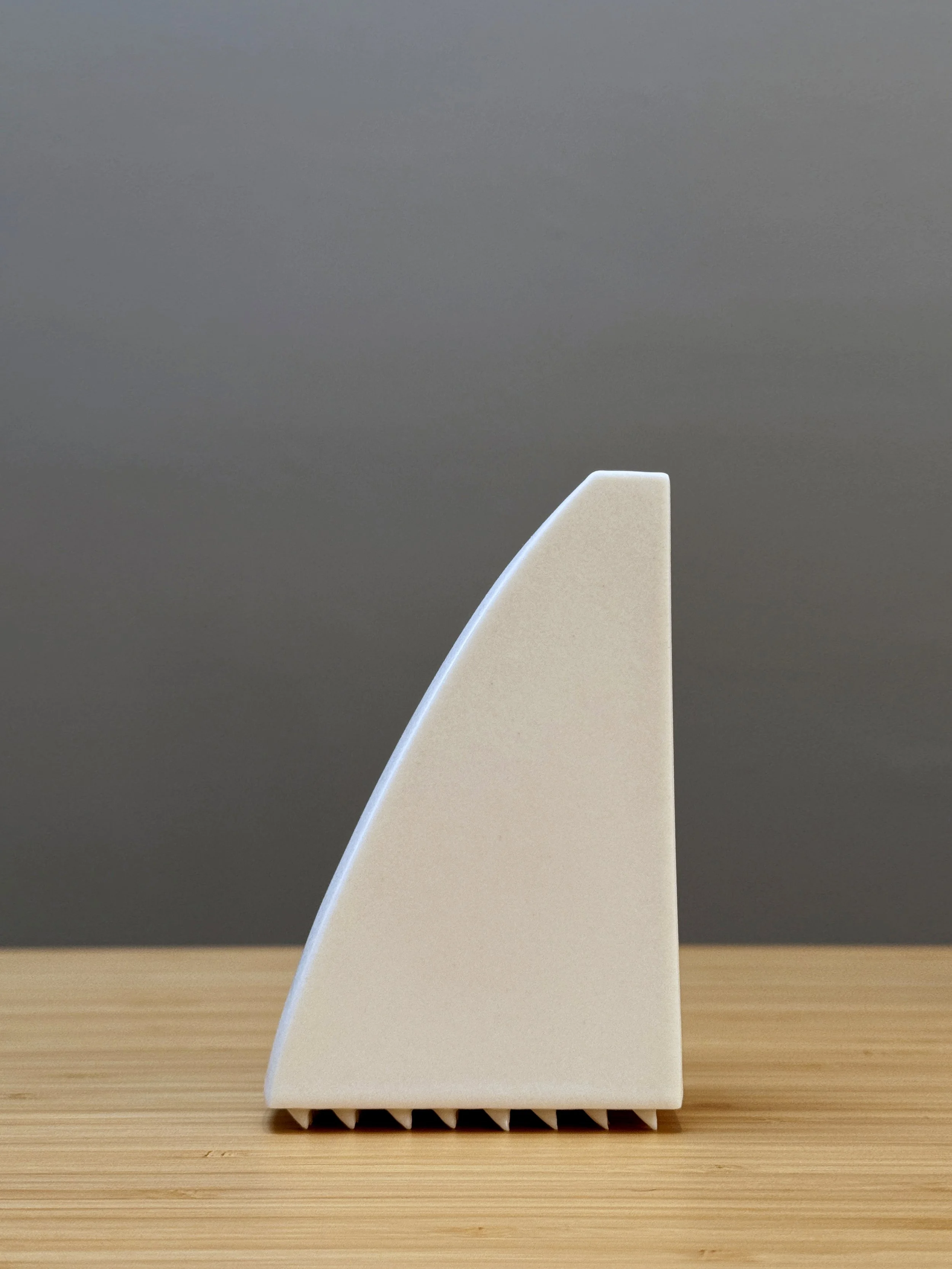
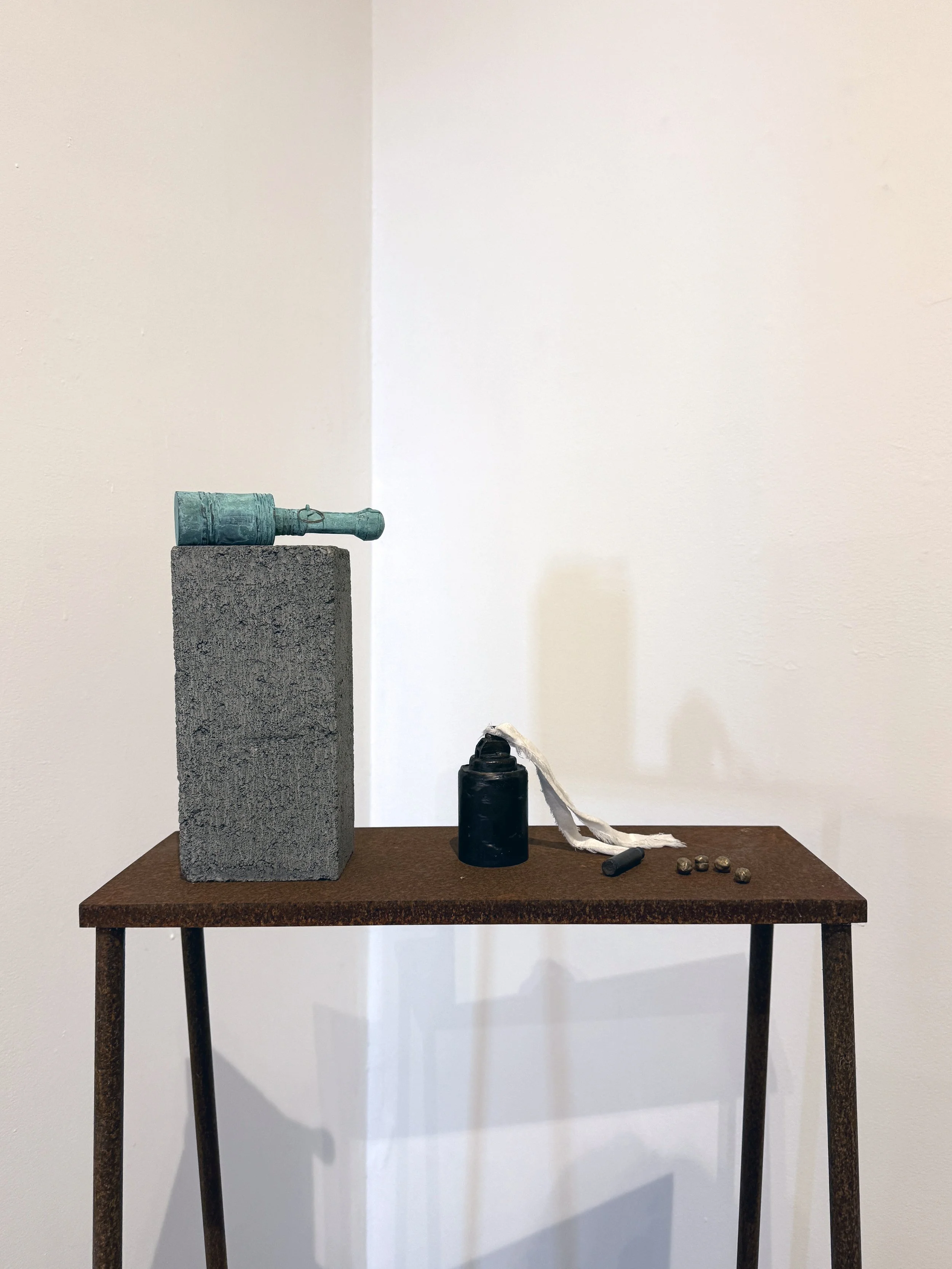
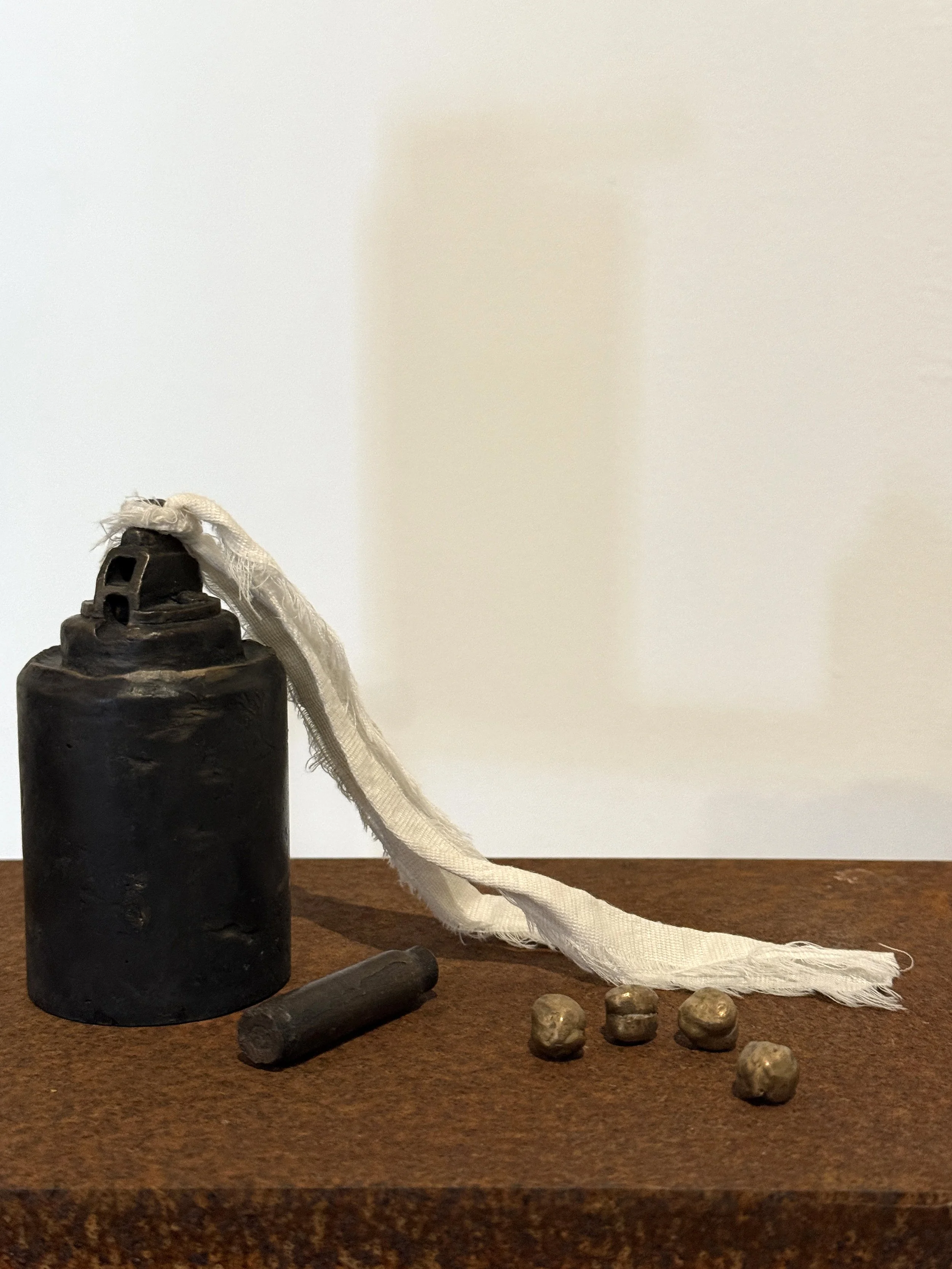
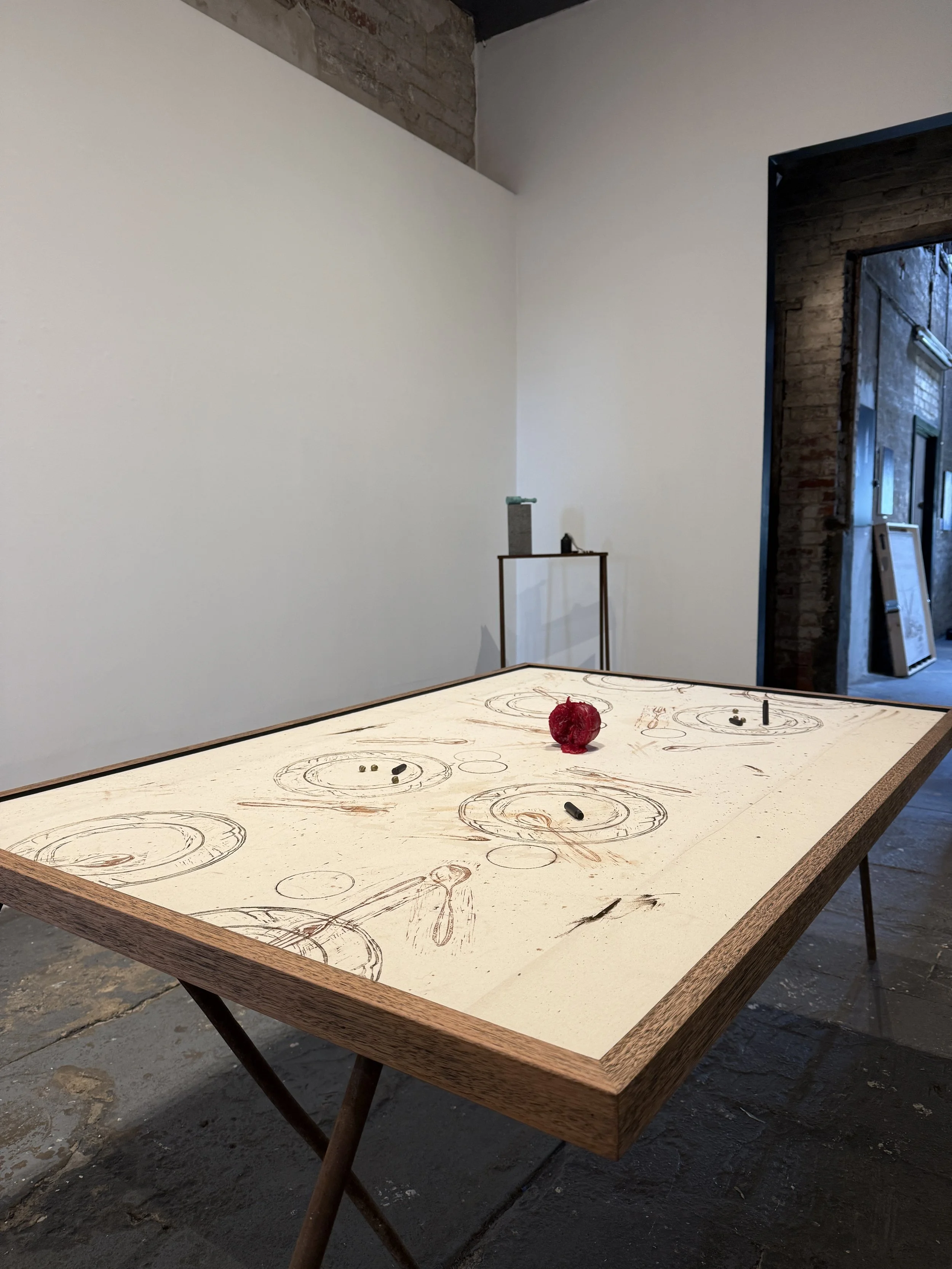
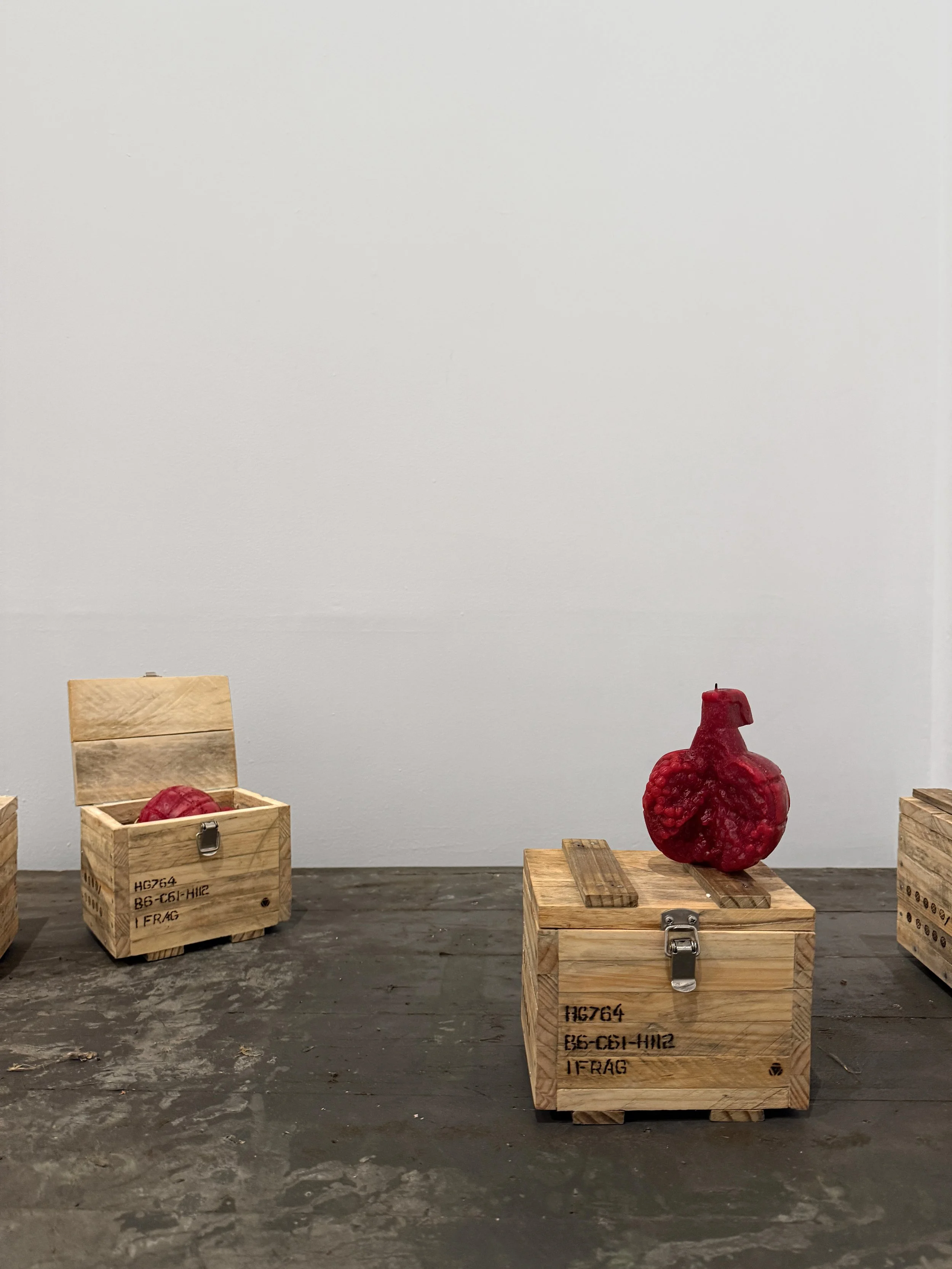
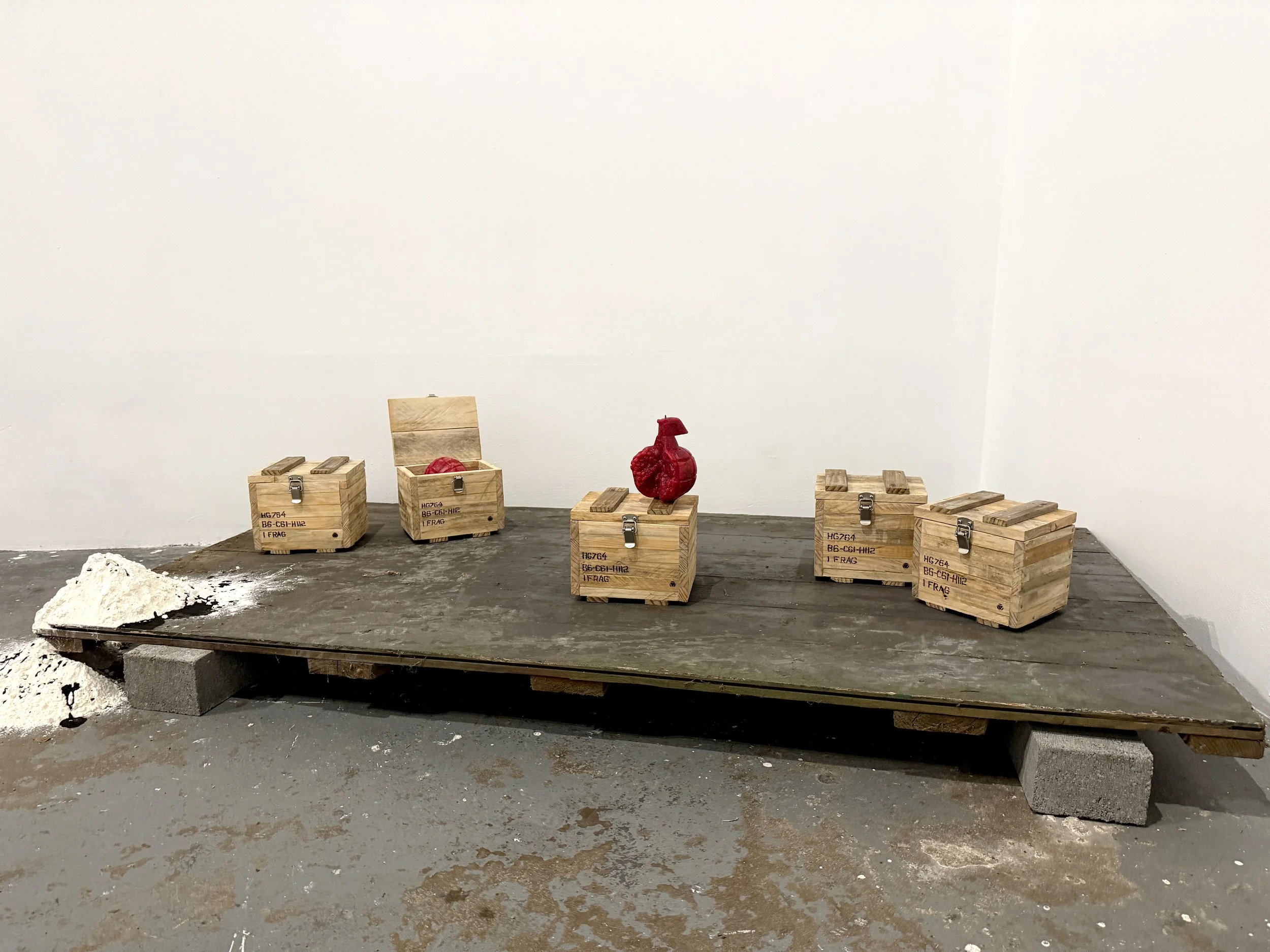
While none of the artists in this exhibition is attempting to turn into a tree (Not that we are aware of anyway). Plant Life brings together a group of artists who for a range of different reasons; beauty, sentimentality, cultural, memorial, ecological, ethical, deeply personal, and/or political – use plants as either subject matter, content, or medium in their artwork.
With more than 400000 land based species of plants, as subject matter alone this provides a dazzling array for artists to draw on for inspiration. Plants provide astonishing beauty as well as the basis of life on this planet.
The relationship between plants and the animal kingdom is necessary and complex.
For centuries and across various cultures, the vegetal world has been fertile ground for artists. Contemporary artists are increasingly engaging with plants as subject matter and medium, reflecting a growing interest in nature, the environment, and the intersections between art, culture, and science. Artists are using plants in diverse ways to explore themes of environmentalism, cultural identity, and the human relationship with the natural world.
By the time we get near the end of Davis’ book, about one third of the human population have consciously decided to turn into trees, disrupting the world as we know it.
As we grapple with the urgency of climate change during the Anthropocene era, reconsidering human/plant relationships becomes essential if we are to develop a sustainable future for the planet. Artists along with researchers and activists play a critical role in shifting our current anthropocentric ways of thinking, being and living, to one which encourages us to reflect on our relationship nature and bring the vegetal world into our consciousness in more caring, connected and sharing ways.