
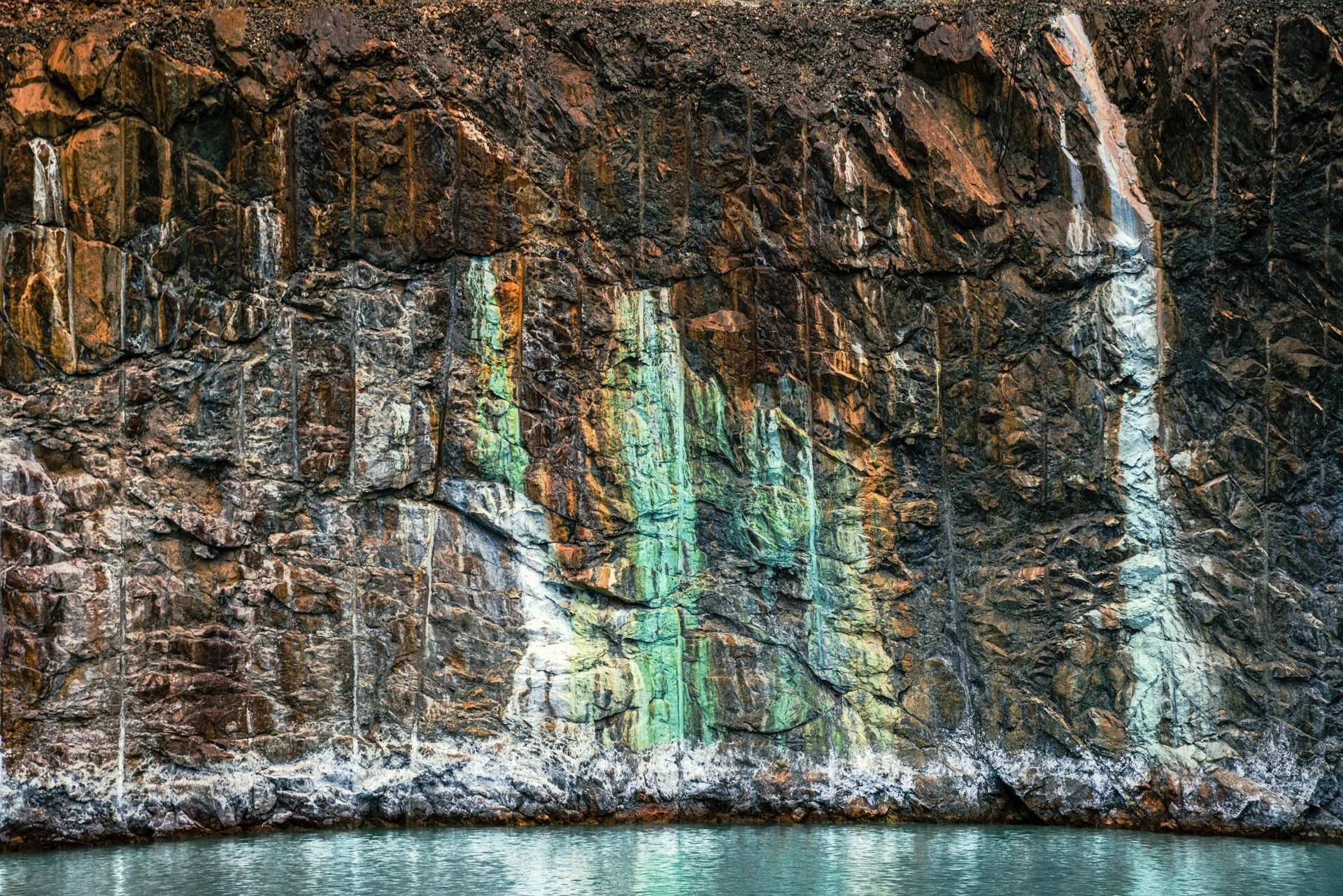
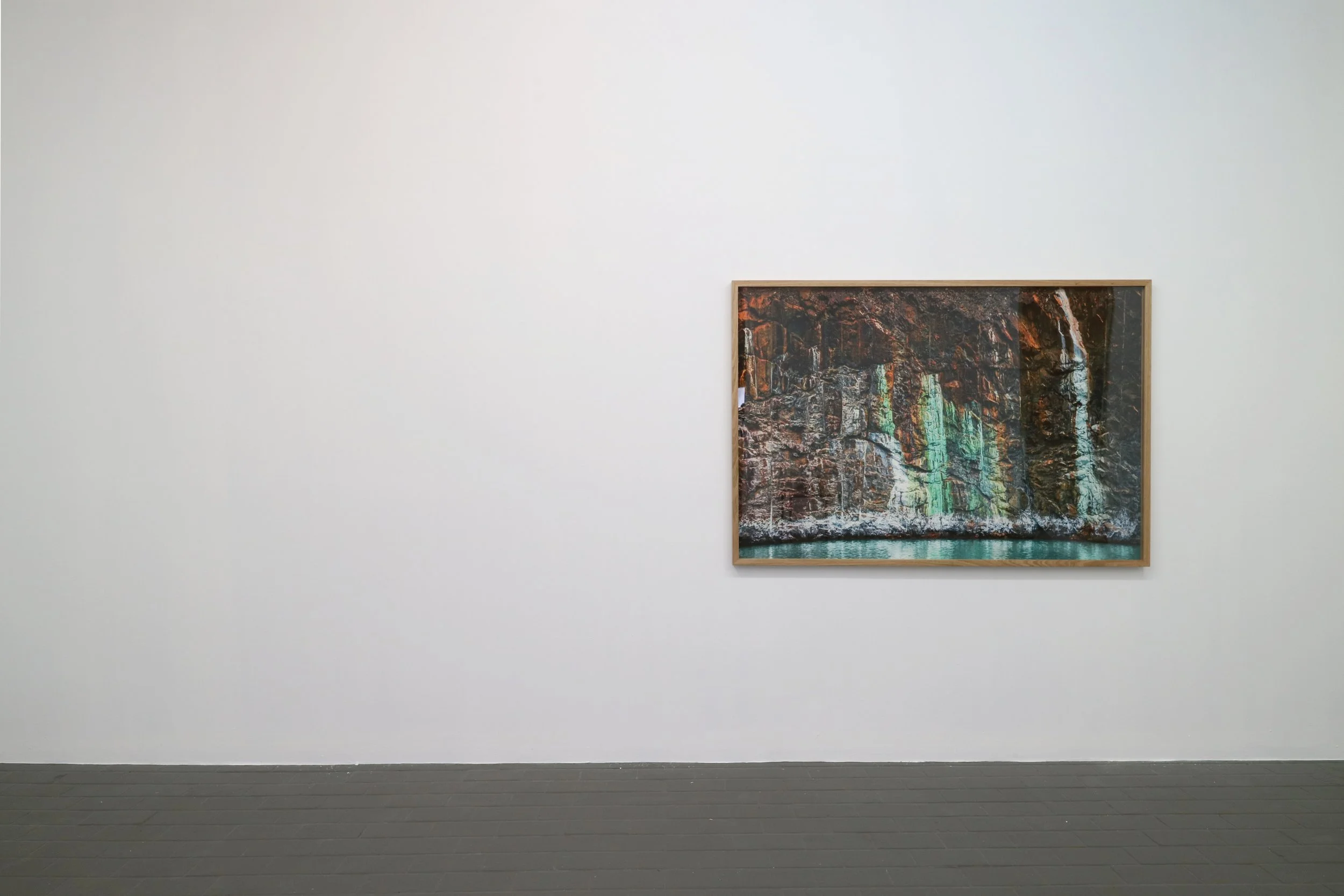
Sam Doctor, Solastalgia 05
SAM DOCTOR
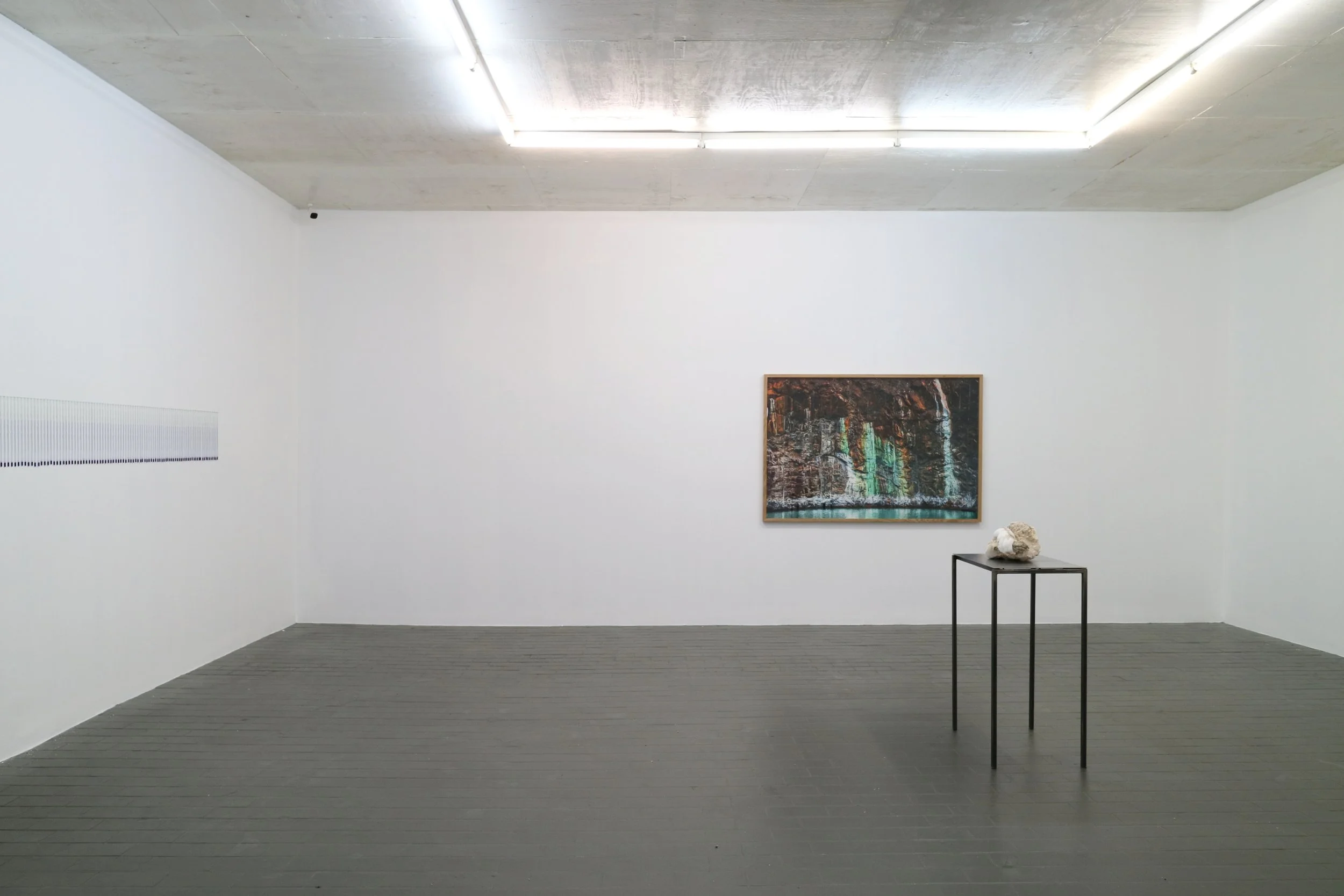
Solastalgia 05, 2020
pigment print on cotton rag, framed
120 × 180cm
Sam Doctor appears courtesy of Chalk Horse, Sydney
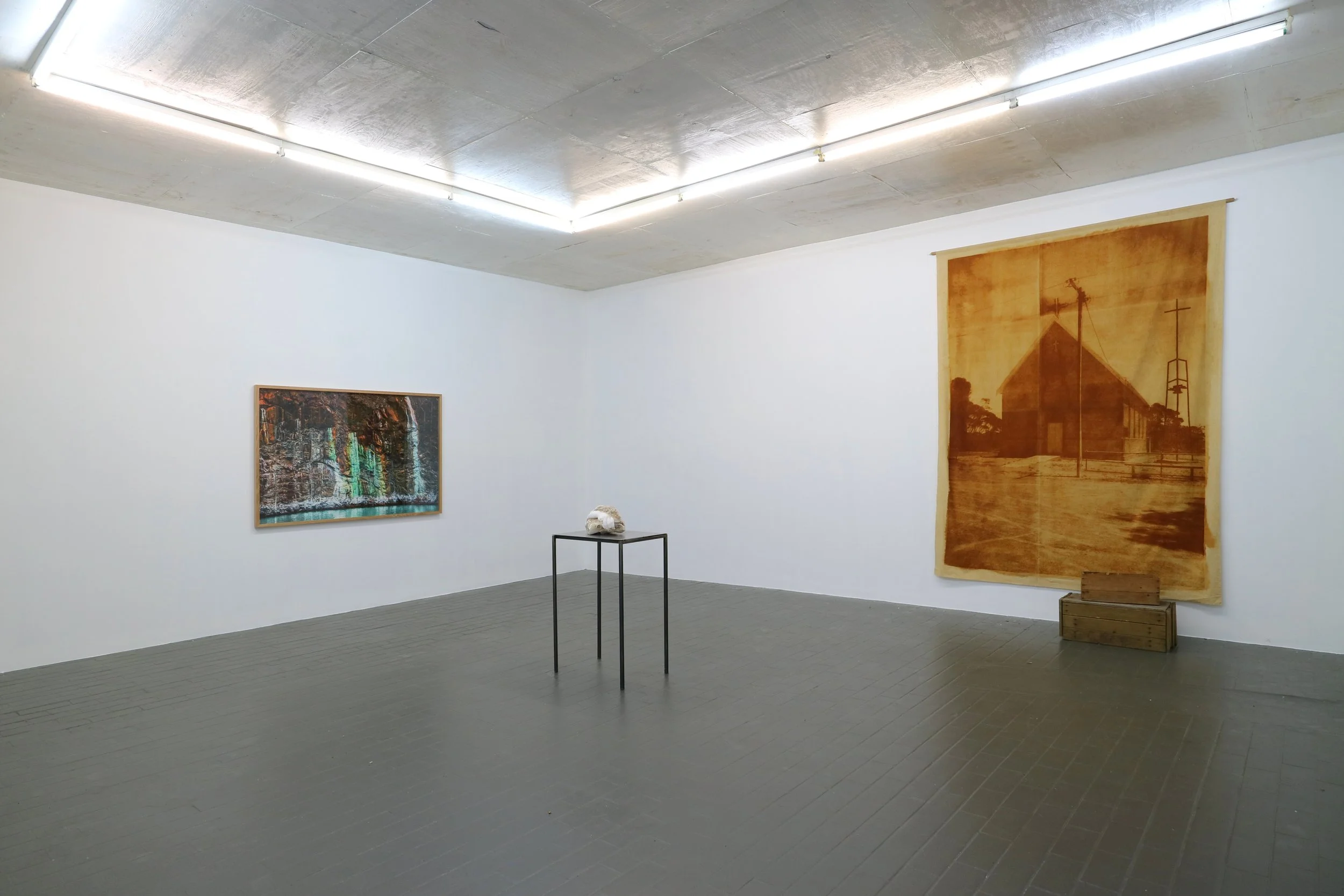
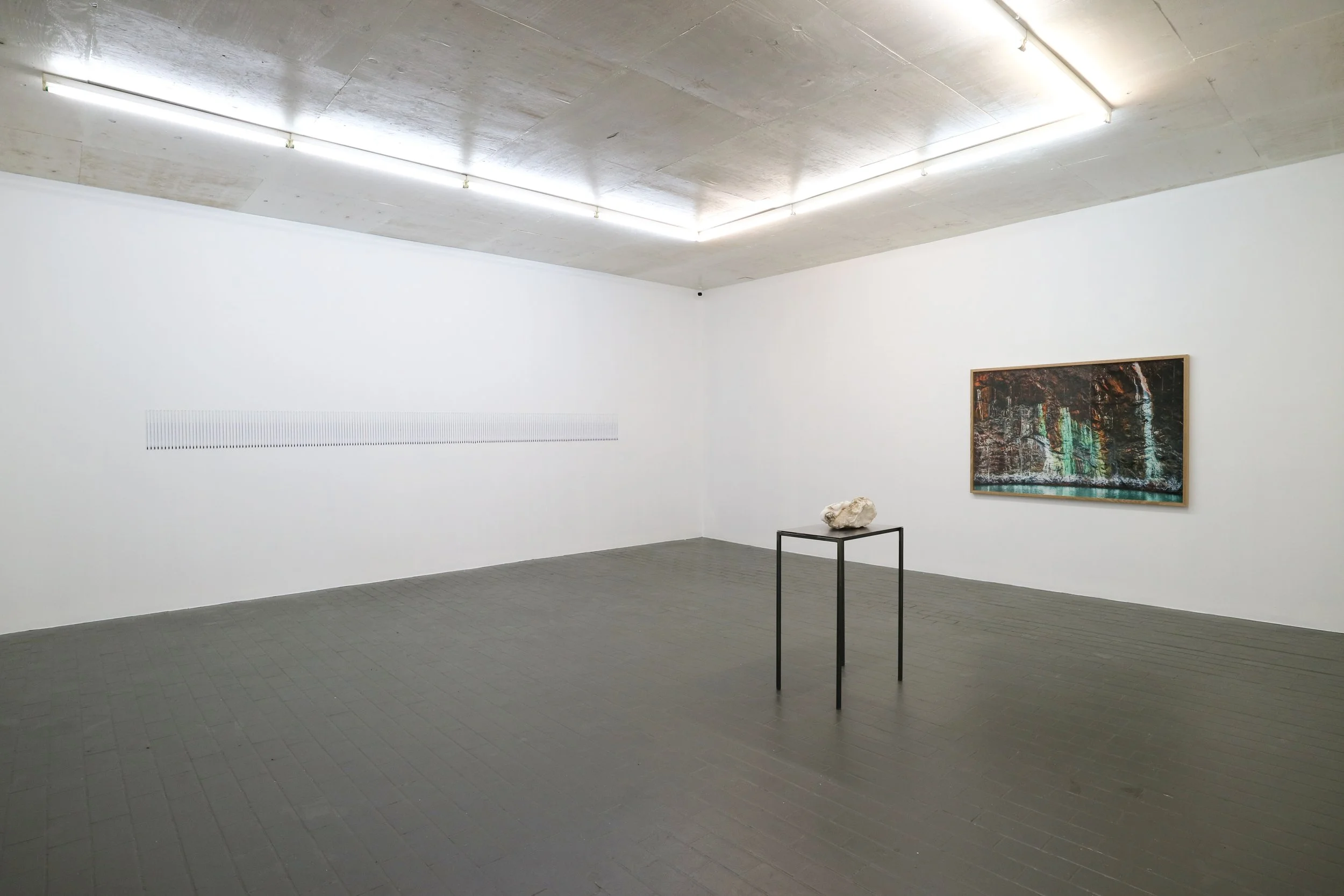
Additional Info
Sam Doctor’s practice can be seen as an ongoing confrontation between humankind and the environment, highlighting the fragility of mankind in the face of natural forces, exposing the Faustian side of human nature and our will to contain what cannot be contained.
The Mary Kathleen mine, built on indigenous land, and the Fukushima power plant, which sent all of its electricity to Tokyo, are both sites of extractivism. Described by theorist Albert Acosta, extractivism is “a mechanism of colonial and neo-colonial plunder and appropriation” that is part of a capitalist relation between the “demands of the metropolitan centres” and regions with “primary commodities.”1 These two sites epitomise the extracting of land and power, to service distant populations, leaving behind the local communities to deal with displacement and contamination. Since it’s abandonment the mine has become a site of a new type extraction, mainly as an “Instagram hotspot” for curious visitors and photographers to come in search of an experience and a snapshot. The extracted images are often circulated as content on social media feeds, partaking in the supply of the emerging economy of consumptive experiences. These immaterial commodities are increasing a pace worldwide alongside the development of “dark tourism” to sites and communities that experienced trauma. This experience economy – a mutation within capitalism – is carbon-heavy, reliant on both fuel intensive travel and on energy-consuming server farms of social media. Dark tourism thrives on the aesthetics of decomposition and commonly accompanied by a nostalgia of disaster. While Susan Sontag advocates for the taking and circulating of images of trauma lest we forget.2 Often these images are taken not in service of education or the collective memory, and don’t work to reconcile the unresolved environs or the slow violence being inflicted on the inhabitants. Rather these disaster images and selfies all too often become a re-affirmation of the person’s existence, and their ability to “access” such areas.
The experience of actually being in such areas can be overwhelming both affectively or – in the case of contamination – physiologically. Yet the images of such landscapes often become a flattened thumbnail, unable to transmit the totality and complexity of the environment. As opposed to sharing the state of trauma, such images can conversely work to trivialise these sites. While perhaps the intent in circulating the image is to “raise awareness,” certain depictions can minimise the event, or at worse foster misunderstandings through partial readings.
Excerpt from catalogue essay, Jason Waite, 2020